
⚡ Executive Summary
- Point 1: Kapasi reengineers YouTube using AI to provide user-specific internet environments.
- Point 2: The tool, based on Claude, showcases the potential of AI in altering information access portals.
- Point 3: This shift enables individuals to have tailored online experiences, blurring lines between software and personal preferences.
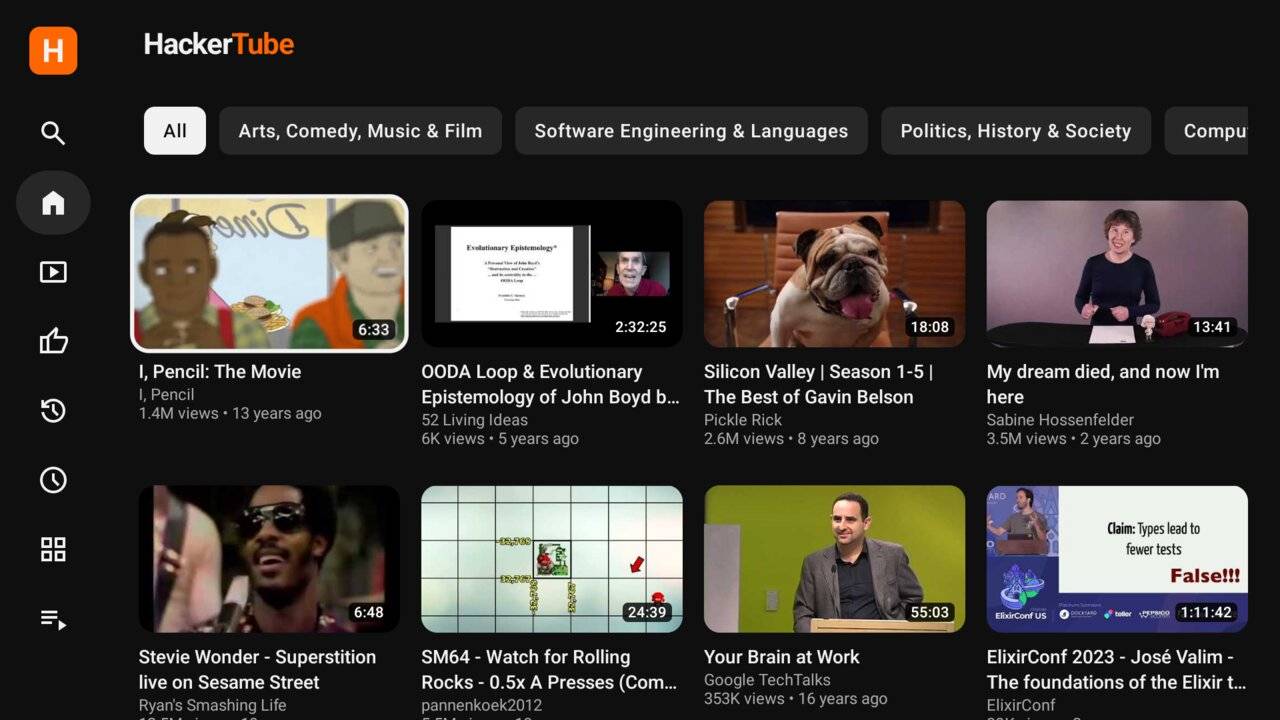
Kapasi has made a significant stride by utilizing AI tools like Claude to recreate YouTube within just two hours. The result is an entirely personalized internet experience that anyone can access and customize as desired. This development represents a critical milestone in the ongoing evolution of artificial intelligence, which is reshaping software and information platforms.
Key Developments
The process begins with Kapasi applying AI to Claude, an advanced language model, to rebuild YouTube’s functionalities. The outcome showcases how AI can reverse-engineer existing web services into customized user environments. This demonstration highlights the immense potential of AI tools in transforming traditional software into highly personalized digital experiences.
Technical Specifications
The key technical specifications involve leveraging Claude‘s capabilities to reconstruct YouTube’s core functionalities, including video streaming, user interface elements, and interactive features. Kapasi’s approach demonstrates the seamless integration of AI in web development, offering a new paradigm for internet usage.
“This is not just about reimagining YouTube; it’s about democratizing personalized online experiences,” says Kapasi. “With Claude, anyone can have their own tailored internet.”
Industry & Strategic Impact
The implications of this development extend beyond a simple platform recreation. It signals the broader role AI tools are playing in redefining how we interact with technology. The ability to customize web experiences aligns with growing trends toward personalized user interfaces and services. This shift could lead to more adaptable digital environments that better serve individual needs and preferences.



