
⚡ Executive Summary
- Point 1: Lingguang 2.0’s shift from content creation to personalized task management.
- Point 2: Challenges in cross-platform permissions and the implications for AI assistants.
- Point 3: The role of loyalty and financial incentives in shaping user experience.
On October 21, Meta CEO Mark Zuckerberg unveiled data about its personal assistant product, Muse. Over 10 million users had set it up with shopping as the most common use case, with more than a quarter using it to purchase items with an average order value exceeding $200. The initial week’s transaction volume surpassed expectations, leading Meta and payment partner Stripe to temporarily increase credit limits.
Lingguang 2.0: A New Era in Personal AI Assistants
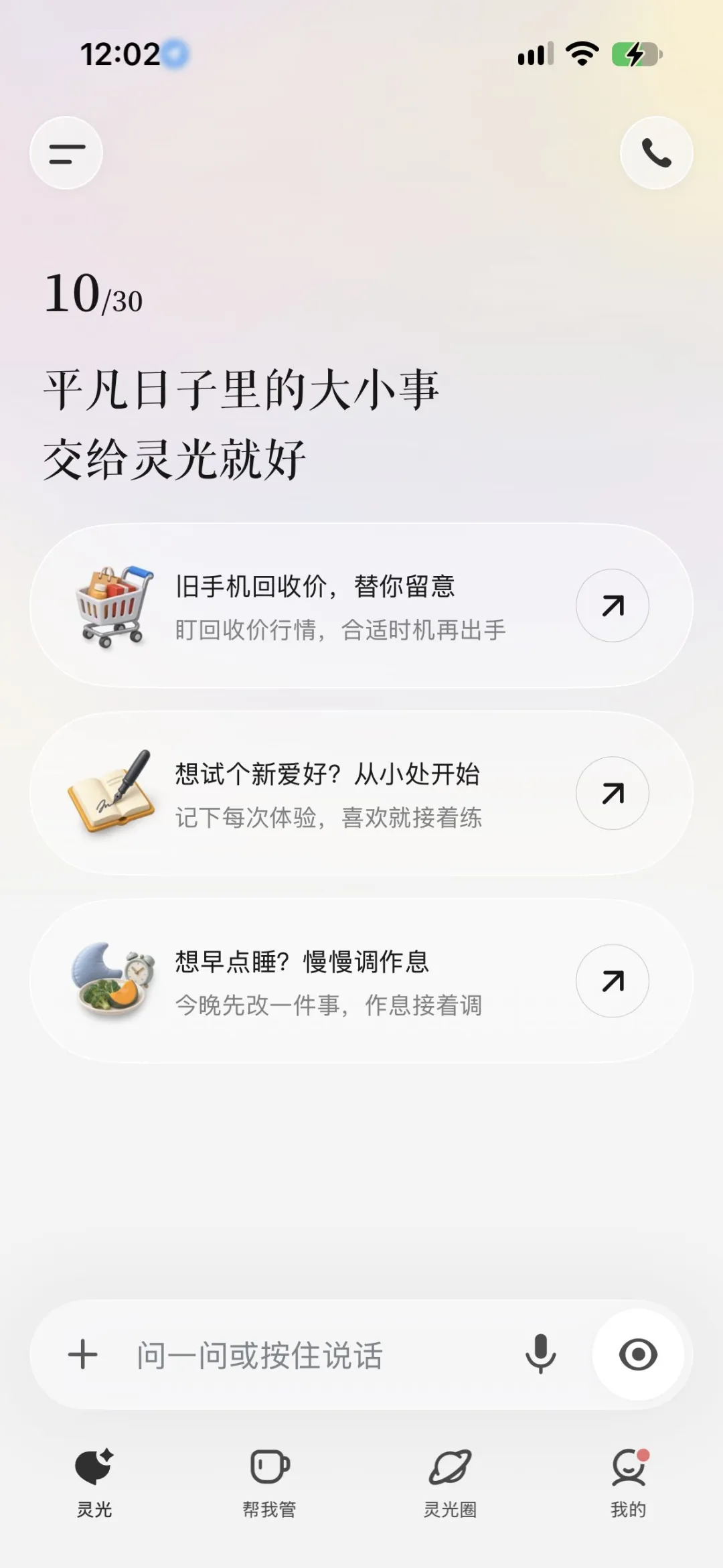
On October 27, Ant Group launched Lingguang 2.0, repositioning itself as a personal AI assistant capable of handling tasks rather than merely generating small applications within 30 seconds. Officially dubbed ‘记得住、盯得牢、办得了’ (Remember, keep track, and handle), it connects services like Alipay bills, DingTalk, Feishu, and Xiaomi Smart Home to help manage daily affairs.
“The true bottleneck is not the model’s reasoning ability but rather the boundaries of cross-platform permissions, safety responsibility allocation, and commercial interest attribution.”
Despite its advanced capabilities, Lingguang 2.0 faces significant challenges in managing tasks across multiple platforms due to strict interface controls and data isolation between ecosystems.
Permissions: Lingguang Sees Success Yet Faces Limitations
Lingguang performs well in observing and monitoring tasks but encounters hurdles when attempting external interactions. Internal safety policies prevent it from completing actions like sending messages on DingTalk or Feishu, even after user confirmation.
External platform restrictions further complicate its operations. For instance, while Lingguang can open a cloud version of Taobao for users to log in manually and input credentials, it still fails to access the shopping cart due to Taobao’s anti-crawling mechanisms. Similarly, Xiaomi’s APIs trigger limits, preventing device lists from loading.
Industry & Strategic Impact
The challenges faced by Lingguang 2.0 highlight critical issues for personal AI assistants in the Chinese ecosystem: permission boundaries, safety responsibilities, and loyalty to users versus merchants. These factors determine the success of such products within their respective ecosystems. As these platforms continue to strengthen internal transaction loops while maintaining strict defenses externally, the future of Lingguang 2.0 may hinge on its ability to balance user needs with commercial realities.



