
⚡ Executive Summary
- Core News: Apple introduces the touchscreen MacBook, embodying Steve Jobs’ innovative vision.
- Key Metric/Data: The product marks a significant shift in user interface design and technology adoption.
- Strategic Impact: It heralds future developments in laptop computing, impacting both consumers and enterprise IT strategies.
Developing News & Core Details
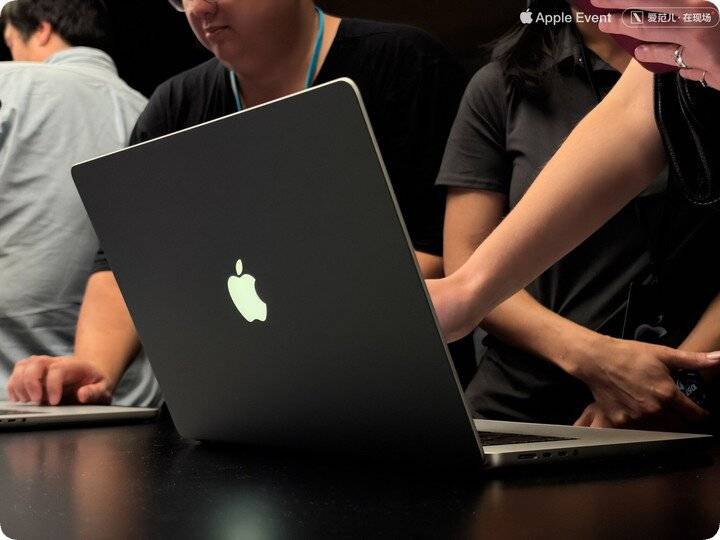
On May 31, 2023, Apple unveiled its latest iteration of the MacBook family—featuring a touchscreen display. This marks a monumental shift in laptop computing, reflecting Steve Jobs’ enduring influence on technology design and user experience.
Technical Analysis & Competitive Landscape
The introduction of a touchscreen MacBook by Apple is not merely an incremental update but represents a fundamental paradigm shift. The inclusion of touch capabilities aligns with Jobs’ philosophy of ‘humanizing’ technology, making it more intuitive and accessible for the average user.
From a technical standpoint, this move signifies significant advancements in display technology and hardware architecture. Apple’s proprietary design ensures optimal performance while maintaining portability—a challenge that many industry competitors face but have yet to solve effectively. The integration of touch technology also enhances multitasking capabilities, allowing users to switch between tasks seamlessly.
The competitive landscape for notebook computers is increasingly focused on enhancing user experience through innovative features and seamless integration across devices. Apple’s touchscreen MacBook not only sets new standards in this regard but also poses significant challenges for its competitors like Dell, HP, Lenovo, and others who must adapt quickly to maintain their market share.
Industry & Strategic Implications
The launch of the touchscreen MacBook has broader implications across various sectors. For consumers, it promises a more immersive computing experience that aligns with current trends towards digitalization and connectivity. Meanwhile, enterprise IT professionals face new considerations regarding security, compatibility, and training for employees accustomed to traditional keyboard-based interfaces.
Strategically, this move by Apple signals a renewed focus on innovation within the company. It underscores Jobs’ belief in continuous improvement and adaptation to changing consumer demands. This approach could influence not only competitors but also inspire other tech giants like Google, Microsoft, or even Samsung to explore similar enhancements for their respective product lines.
“The introduction of a touchscreen MacBook represents more than just an upgrade; it’s a bold step towards redefining the laptop category.”
Final Outlook
Predictions suggest that this new direction will drive further improvements in laptop technology. As more companies adopt similar designs, we may see increased collaboration between hardware manufacturers and software developers to optimize user interfaces across platforms.



