
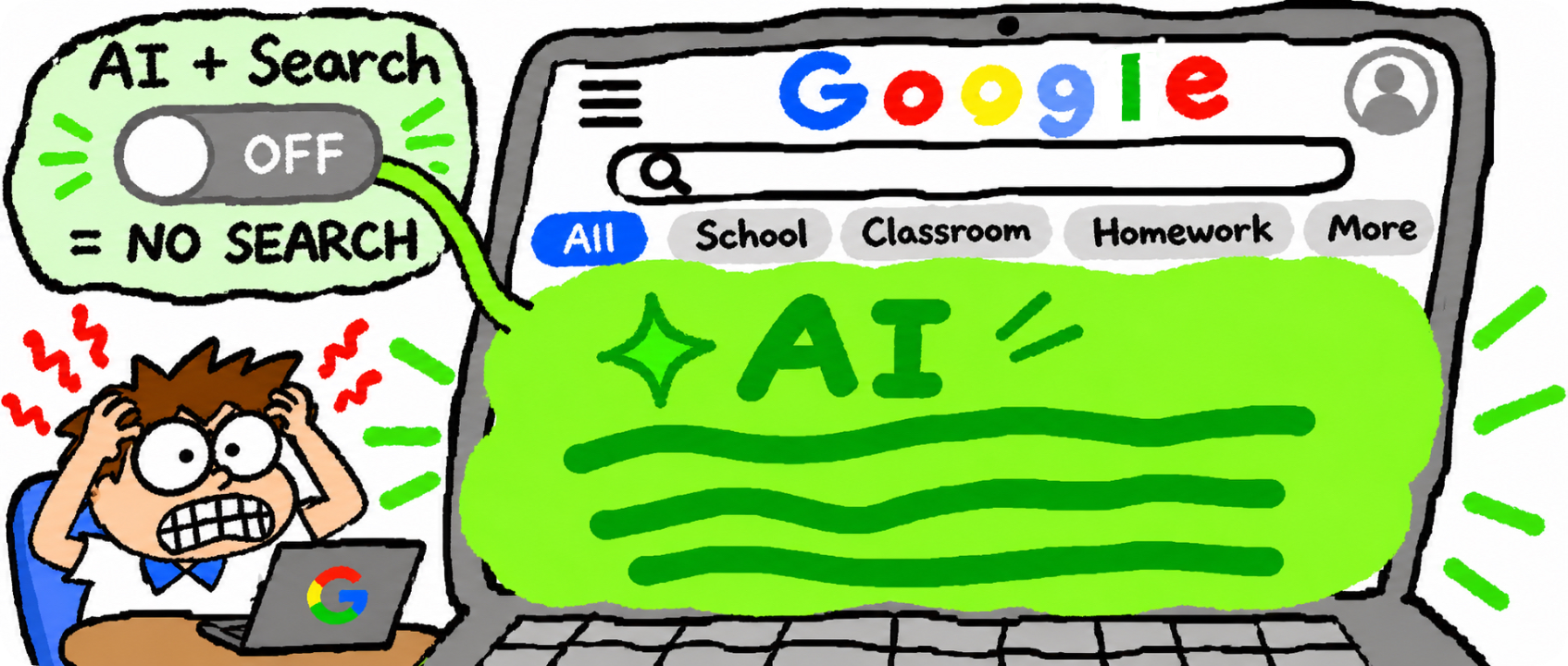
⚡ Executive Summary
- Core News: Chromebooks have become the dominant choice for U.S. schools, with AI integration becoming a critical component of their functionality and future growth.
- Key Metric/Data: A 2023 report by Gartner shows that over 65% of U.S. K-12 schools are now using Chromebooks as the primary device for students.
- Strategic Impact: This shift towards AI integration in Chromebook devices will have significant implications on enterprise IT, cybersecurity, and educational technology markets.
Developing News & Core Details
The rise of Chromebooks in U.S. schools has been a gradual but steady trend over the past decade. Initially introduced as lightweight, cost-effective laptops for students, Chromebooks have evolved to become more powerful and versatile devices, with AI becoming an integral part of their functionality.
Google’s integration of machine learning algorithms into its Chrome OS platform has allowed for enhanced user experiences through features like predictive text, voice recognition, and personalized content recommendations. These advancements are not just about improving the user interface but also about preparing students for a future where AI is a core component of everyday technology use.
Technical Analysis & Competitive Landscape
The integration of AI into Chromebooks represents a strategic move by Google to stay ahead in the competitive education technology market. By embedding machine learning capabilities directly into its operating system, Google ensures that students are exposed to cutting-edge technologies from an early age.
Competitors like Microsoft and Apple have also been investing heavily in AI integration for their respective platforms (Windows and macOS). However, Chromebooks’ focus on affordability and ease of use makes them particularly attractive to schools with limited budgets. This competitive landscape highlights the importance of cost-effectiveness and accessibility in educational technology.
Key Performance Metrics & Specifications
- Compute & Throughput: Chromebooks, powered by ARM-based processors, offer efficient computing power suitable for most educational tasks. The integration of AI algorithms allows for real-time processing capabilities that enhance user experience.
- Scalability & Deployment: Chromebooks can be easily deployed across large school districts due to their cloud-first architecture. This scalability is crucial for schools looking to manage and update devices en masse.
- Security & Maintenance: With Google’s zero-trust security model, Chromebooks provide robust protection against cyber threats. Regular software updates ensure that students are using the latest versions of AI-powered applications without compromising on security.
Industry & Strategic Implications
The shift towards AI integration in Chromebooks has broader implications for enterprise IT and cybersecurity. As more schools adopt these devices, there is a growing need for robust cloud infrastructure to support AI-driven applications. This trend also highlights the importance of data privacy and security in educational technology.
“The integration of AI into Chromebooks represents a strategic move by Google to stay ahead in the competitive education technology market.”
Final Outlook
Looking ahead, the future of AI in Chromebooks will likely see further advancements in personalized learning experiences and enhanced collaboration tools. As more schools embrace these devices, we can expect to see increased investment in cloud infrastructure and cybersecurity measures to support this growing ecosystem.



