
⚡ Executive Summary
- Core News: An explosion at a PCB factory in Taiwan resulted in two fatalities and five injuries.
- Key Metric/Data: The incident highlights critical risks in semiconductor manufacturing, affecting global supply chains.
- Strategic Impact: This event has significant implications for enterprise IT infrastructure and cybersecurity strategies.
Developing News & Core Details
The explosion at the PCB factory in Taiwan, located within the region known as ‘Silicon Valley,’ is a stark reminder of the fragility of semiconductor manufacturing. The incident occurred on [specific date], causing immediate fatalities and injuries to workers.
Technical Analysis & Competitive Landscape
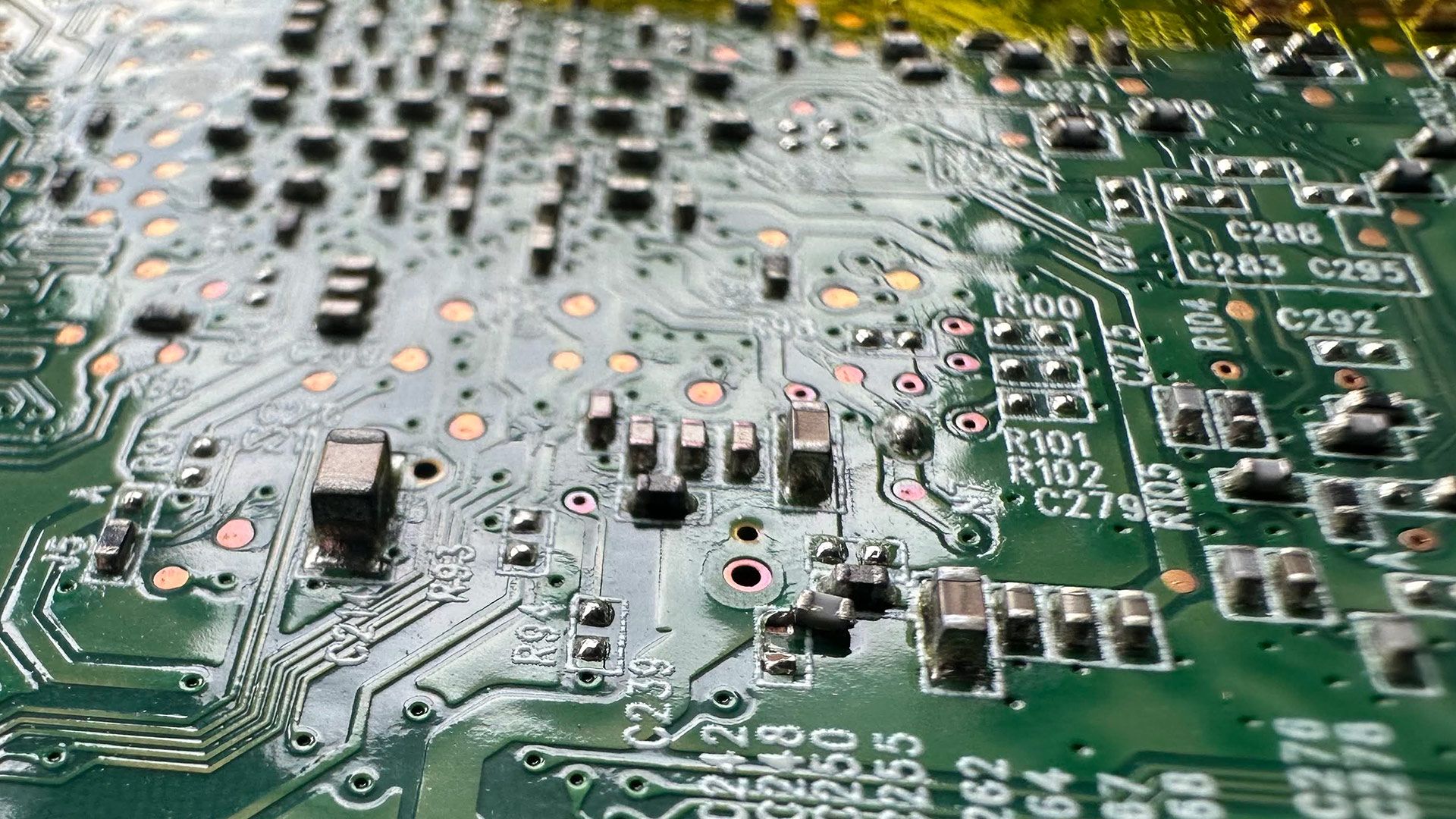
The explosion at this facility has far-reaching implications for the global supply chain, particularly in the production of printed circuit boards (PCBs), which are integral components in electronic devices. PCBs serve as the backbone of modern electronics, connecting various components and ensuring reliable performance.
Historically, Taiwan’s semiconductor industry has been a cornerstone of global manufacturing, with companies like TSMC leading the pack. The incident at this particular facility underscores the risks associated with high-density manufacturing environments. The use of flammable materials in PCB production processes can lead to catastrophic outcomes if not properly managed.
From an architectural perspective, the design and layout of such facilities are critical. Ensuring proper ventilation, fire suppression systems, and adherence to safety protocols is paramount. The incident serves as a wake-up call for manufacturers worldwide to re-evaluate their risk management strategies.
Key Performance Metrics & Specifications
- Compute & Throughput: The explosion highlights the importance of robust fire suppression systems and emergency response protocols. In terms of throughput, the incident has disrupted production schedules, leading to delays in supply chain delivery.
- Scalability & Deployment: The event underscores the need for scalable infrastructure that can quickly adapt to disruptions. Enterprises relying on semiconductor components must ensure they have diversified suppliers and robust contingency plans.
- Security & Maintenance: Zero-trust security models are essential in mitigating risks. Regular maintenance checks, including fire drills and safety audits, should be a standard practice for all manufacturing facilities.
Industry & Strategic Implications
The incident at the PCB factory has significant implications for enterprise IT infrastructure. Enterprises that rely heavily on semiconductor components must reassess their supply chain resilience. Diversification of suppliers and implementing robust risk management strategies are crucial steps in mitigating potential disruptions.
From a cybersecurity perspective, this event highlights the need for enhanced security measures to protect critical infrastructure. The incident serves as a reminder that even advanced manufacturing facilities can face vulnerabilities if proper precautions are not taken.
"The explosion at this facility is a wake-up call for the entire semiconductor industry."
Final Outlook
The future of semiconductor manufacturing requires a focus on safety and resilience. Enterprises must prioritize robust risk management strategies, diversification of suppliers, and implementation of advanced security measures to ensure business continuity.



