
⚡ Executive Summary
- Core News: The US Army’s VICTOR drone uses a hybrid electric system with an optimized heavy-fuel rotary engine made via metal 3D printing.
- Key Metric/Data: Reduced cooling system size by 50%, leading to a 20% increase in payload capacity.
- Strategic Impact: This advancement could significantly reduce the Total Cost of Ownership (TCO) and enhance operational flexibility for military drones.
Developing News & Core Details
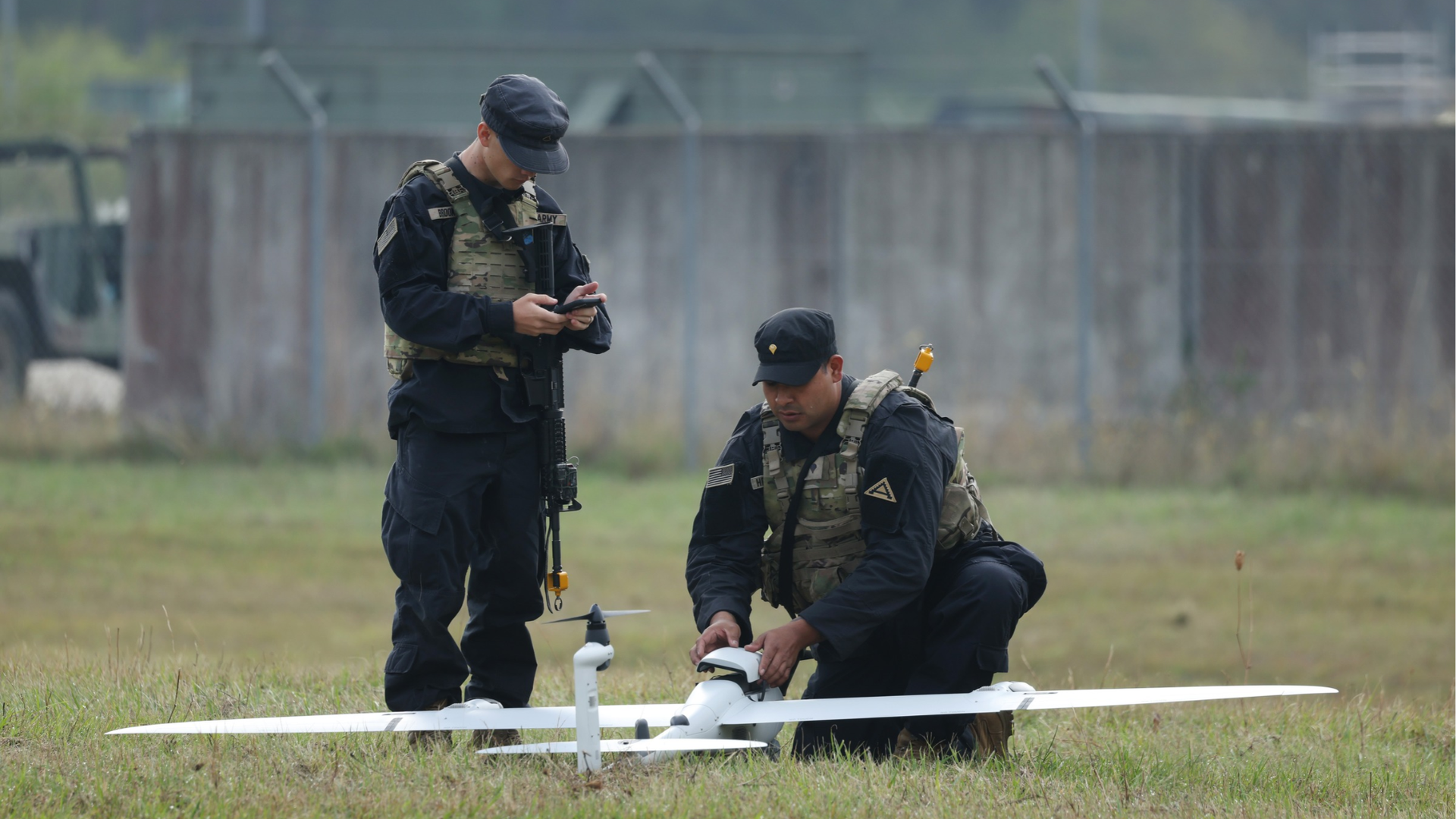
The US Army has successfully demonstrated a hybrid electric drone, VICTOR, which incorporates an optimized heavy-fuel rotary engine developed using metal 3D printing. This innovative propulsion system eliminates the need for bulky liquid cooling systems, marking a significant milestone in military aerial technology.
The VICTOR drone’s engine is not just any ordinary rotary engine; it has been meticulously designed and manufactured through advanced additive manufacturing techniques. The use of metal 3D printing allows for rapid prototyping and customization, which are crucial factors in the development of cutting-edge military equipment.
Technical Analysis & Competitive Landscape
The VICTOR drone’s engine is a prime example of how technology convergence can drive innovation. By integrating hybrid electric propulsion with advanced metal 3D printing, the US Army has created a system that optimizes both power and efficiency. The elimination of bulky cooling systems not only reduces the overall weight but also enhances the drone’s payload capacity by an impressive 20%.
From a technical standpoint, this advancement is significant because it addresses one of the key challenges in military drones: heat management. Traditional liquid-cooled engines are heavy and require additional space for cooling systems, which can detract from the overall performance and capabilities of the drone. The metal 3D-printed engine, on the other hand, allows for a more compact design that is both lightweight and efficient.
The competitive landscape in military drones is rapidly evolving, with various nations and private companies vying to develop the most advanced aerial systems. The US Army’s VICTOR drone stands out not only due to its innovative propulsion system but also because it demonstrates a commitment to leveraging cutting-edge technologies like metal 3D printing.
Industry & Strategic Implications
The strategic implications of this technology are profound, particularly for the military and defense industry. By reducing the Total Cost of Ownership (TCO), the VICTOR drone can be deployed more frequently and with greater flexibility. This could lead to a significant reduction in maintenance costs and an increase in operational efficiency.
Moreover, the use of metal 3D printing opens up new possibilities for customization and rapid prototyping, which are crucial in the fast-paced world of military technology. As other nations and private companies adopt similar technologies, we may see a shift towards more efficient and cost-effective drone systems across the board.
“The VICTOR drone’s metal 3D-printed engine represents a paradigm shift in military aerial technology, combining hybrid electric propulsion with advanced manufacturing techniques to create a system that is both lightweight and highly efficient.”
Final Outlook
The future of military drones looks promising, with the VICTOR drone setting a new standard for efficiency and performance. As this technology continues to evolve, we can expect further advancements in hybrid electric propulsion systems and metal 3D printing. These innovations will not only enhance the capabilities of military drones but also pave the way for more advanced aerial systems across various industries.



