
⚡ Executive Summary
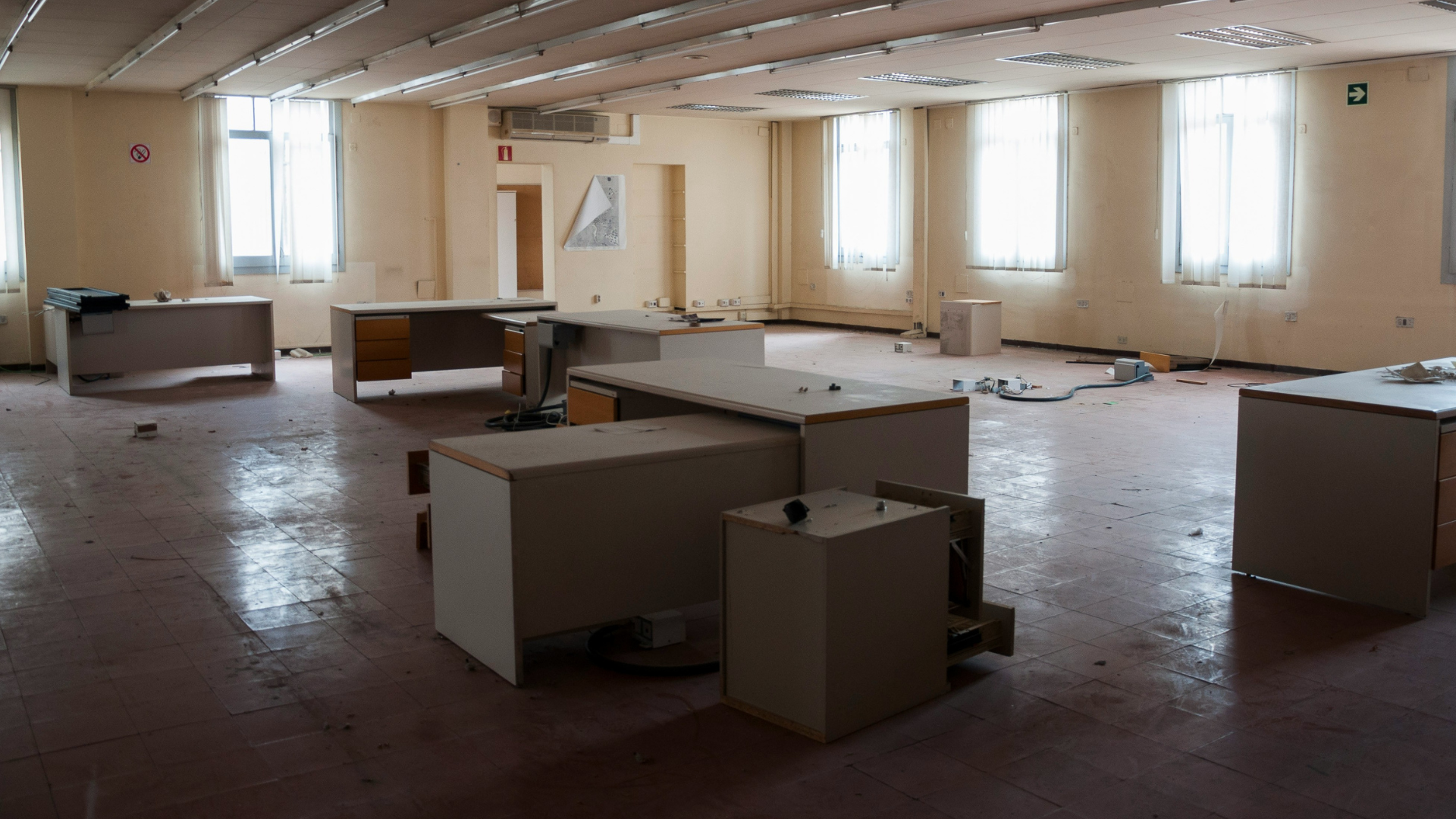
- Core News: Two Chinese companies approved to receive Nvidia’s H200 AI chips operate from empty offices.
- Key Metric/Data: Both firms have no employees present and are unfamiliar in the buildings where their offices are located.
- Strategic Impact: Raises concerns about compliance, market integrity, and potential strategic risks for Nvidia and its partners.
Developing News & Core Details
The recent approval of two Chinese firms, New Matrix and Maginfra, to receive Nvidia’s H200 AI chips has sparked significant industry interest. However, the offices of these companies are currently empty, with building occupants reporting unfamiliarity with either firm. This development raises critical questions about compliance, market integrity, and potential strategic risks for both Nvidia and its partners.
Technical Analysis & Competitive Landscape
Nvidia’s H200 AI chips represent a significant advancement in the field of artificial intelligence, offering enhanced performance capabilities that are crucial for enterprise-level applications. The approval of these firms to receive such advanced hardware underscores Nvidia’s strategic focus on expanding its market reach into China, a critical player in the global tech landscape.
However, the empty offices and unknown addresses of New Matrix and Maginfra suggest potential compliance issues or even fraudulent activities. This situation could have far-reaching implications for Nvidia’s reputation and its broader strategy in the Chinese market. The H200 chips are part of Nvidia’s A100 successor series, designed to handle complex AI workloads more efficiently than previous generations.
The architecture of the H200 chips is built around advanced GPU technology that supports high-performance computing (HPC) and deep learning applications. These chips integrate a next-generation Tensor Core architecture optimized for AI inference and training tasks, offering significant improvements in throughput and efficiency over their predecessors.
Key Performance Metrics & Specifications
- Compute & Throughput: The H200 offers up to 960 Tensor Cores, doubling the performance of its predecessor. This architecture supports higher precision floating-point operations and improved memory bandwidth.
- Scalability & Deployment: Designed for deployment in data centers and cloud environments, the H200 can be integrated into existing infrastructure with minimal disruption. Its modular design allows for easy scaling to meet growing demands.
- Security & Maintenance: Nvidia’s compliance with export control regulations is critical. The empty offices of these firms raise concerns about potential non-compliance or fraudulent activities, which could jeopardize Nvidia’s reputation and partnerships.
Industry & Strategic Implications
The situation surrounding New Matrix and Maginfra highlights the broader challenges faced by tech companies operating in China. Compliance with export control regulations is paramount, especially for firms dealing with advanced hardware like AI chips. The H200’s approval underscores Nvidia’s commitment to expanding its market presence but also exposes potential risks associated with non-compliance.
The empty offices and unknown addresses of these firms could indicate fraudulent activities or compliance issues. This scenario has significant implications for Nvidia, as it may face reputational damage and legal consequences if the firms are found to be operating illegally or in violation of export control regulations.
Final Outlook
The future trajectory of this situation is uncertain but could have far-reaching effects on Nvidia’s strategic positioning in China. The company must ensure robust compliance measures and rigorous due diligence processes to mitigate risks associated with such developments. As the tech landscape continues to evolve, Nvidia will need to navigate these challenges carefully to maintain its leadership position.
“The empty offices of New Matrix and Maginfra raise critical questions about market integrity and strategic risks for Nvidia in China.”



