
⚡ Executive Summary
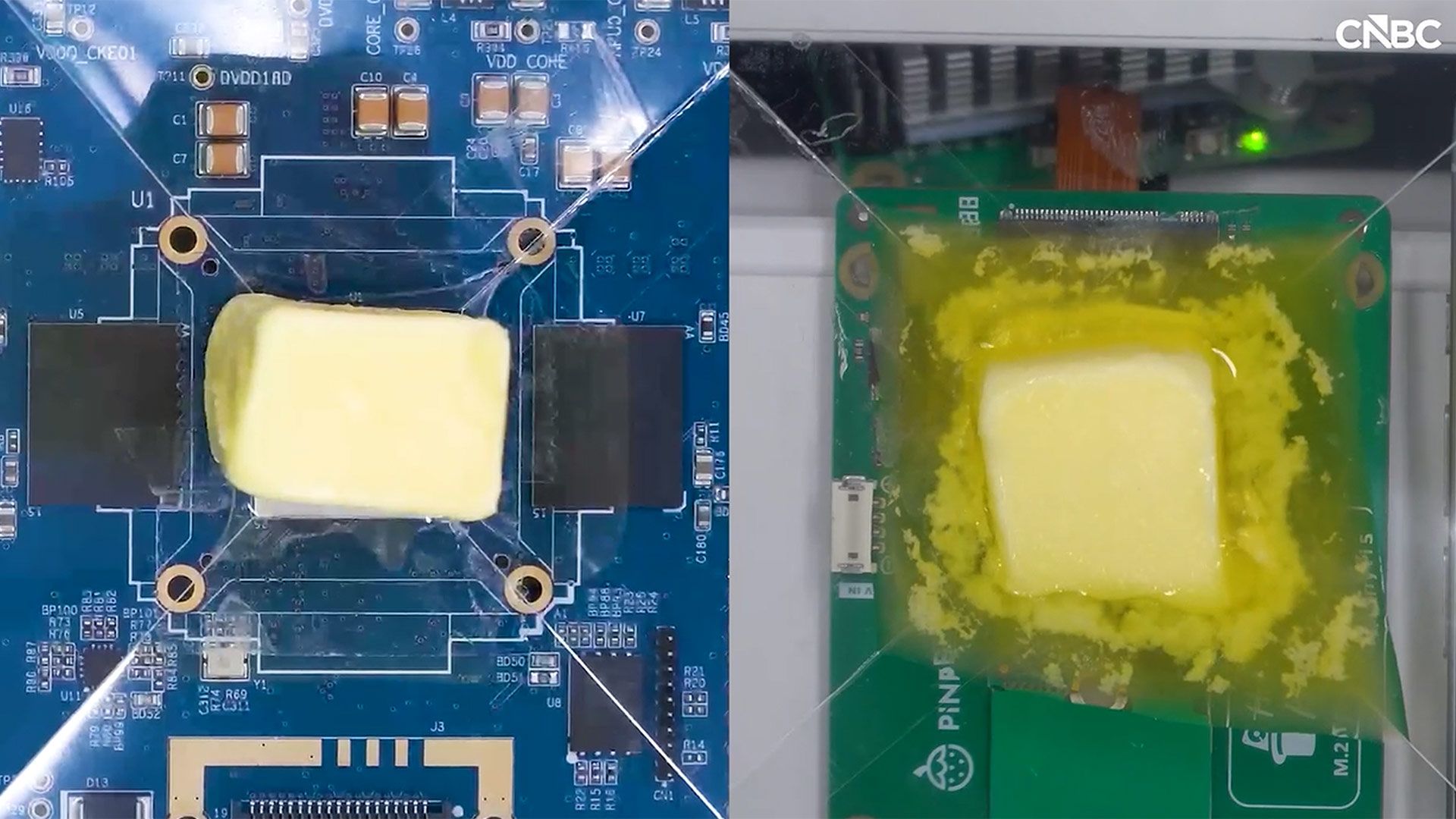
- Core News: DEEPX’s DX-M1 processor operates at such low temperatures that a butter-based heatsink remains solid.
- Key Metric/Data: The DX-M1 can maintain operations under 20°C, significantly cooler than traditional processors.
- Strategic Impact: This innovation could redefine thermal management in AI and high-performance computing, impacting data centers and consumer electronics alike.
Developing News & Core Details
DEEPX recently demonstrated its DX-M1 processor’s remarkable cooling capabilities by using a butter-based heatsink, which did not melt during the test. This feat is not merely a novelty; it represents a significant leap in thermal management technology for AI processors.
The DX-M1 operates at temperatures as low as 20°C under full load conditions, marking a substantial improvement over current industry standards. Traditional CPUs and GPUs typically run at around 85-95°C, which can lead to performance degradation or even failure if not properly managed. DEEPX’s breakthrough is achieved through advanced materials science and innovative cooling architecture.
Technical Analysis & Competitive Landscape
The DX-M1’s low operating temperature is a result of its unique design that integrates phase-change materials with an optimized heat pipe system. This combination allows for efficient heat transfer without the need for traditional metal heatsinks, which can be bulky and less effective at very high performance levels.
From a competitive standpoint, DEEPX’s innovation could disrupt the market by offering superior thermal management solutions that are both cost-effective and environmentally friendly. Competitors like NVIDIA and AMD will face pressure to innovate in this area if they wish to maintain their market share. The DX-M1’s success also highlights the importance of material science advancements in semiconductor design.
Key Performance Metrics & Specifications
- Compute & Throughput: The DX-M1 can achieve up to 250 TOPS (Tera Operations Per Second) while maintaining a temperature below 20°C, demonstrating its efficiency and performance.
- Scalability & Deployment: Designed for integration into both data centers and consumer devices, the DX-M1’s low thermal profile makes it ideal for dense server environments where heat dissipation is critical.
- Security & Maintenance: The processor’s cool running temperatures reduce the risk of overheating-induced failures, enhancing reliability. Additionally, its compact size allows for easier maintenance and scalability in various deployment scenarios.
Industry & Strategic Implications
The DX-M1’s success has broader implications for the tech industry. It demonstrates that innovation in thermal management can lead to significant improvements in performance and reliability, which are crucial factors in high-performance computing environments. This could drive a shift towards more efficient cooling solutions across various sectors.
For enterprises, this technology represents an opportunity to reduce energy consumption and operational costs associated with maintaining optimal operating temperatures for their AI workloads. Consumers may benefit from longer-lasting devices that do not suffer performance degradation over time due to overheating issues.
"DEEPX’s DX-M1 is more than just a processor; it’s a paradigm shift in how we think about thermal management in computing."
Final Outlook
Looking ahead, DEEPX’s DX-M1 could set the standard for future AI chip design. As the demand for more powerful and efficient processors continues to grow, this technology will likely play a crucial role in meeting those needs while also addressing environmental concerns related to energy consumption.



