
⚡ Executive Summary
- Core News: The Walt Disney Company has partnered with Adobe to develop artist-led generative AI models for its production pipeline.
- Key Metric/Data: The partnership includes early access to Adobe Firefly Foundry, a platform for generating and editing images and video.
- Strategic Impact: This collaboration will likely reduce costs and increase the speed of content creation while maintaining high-quality standards.
Developing News & Core Details
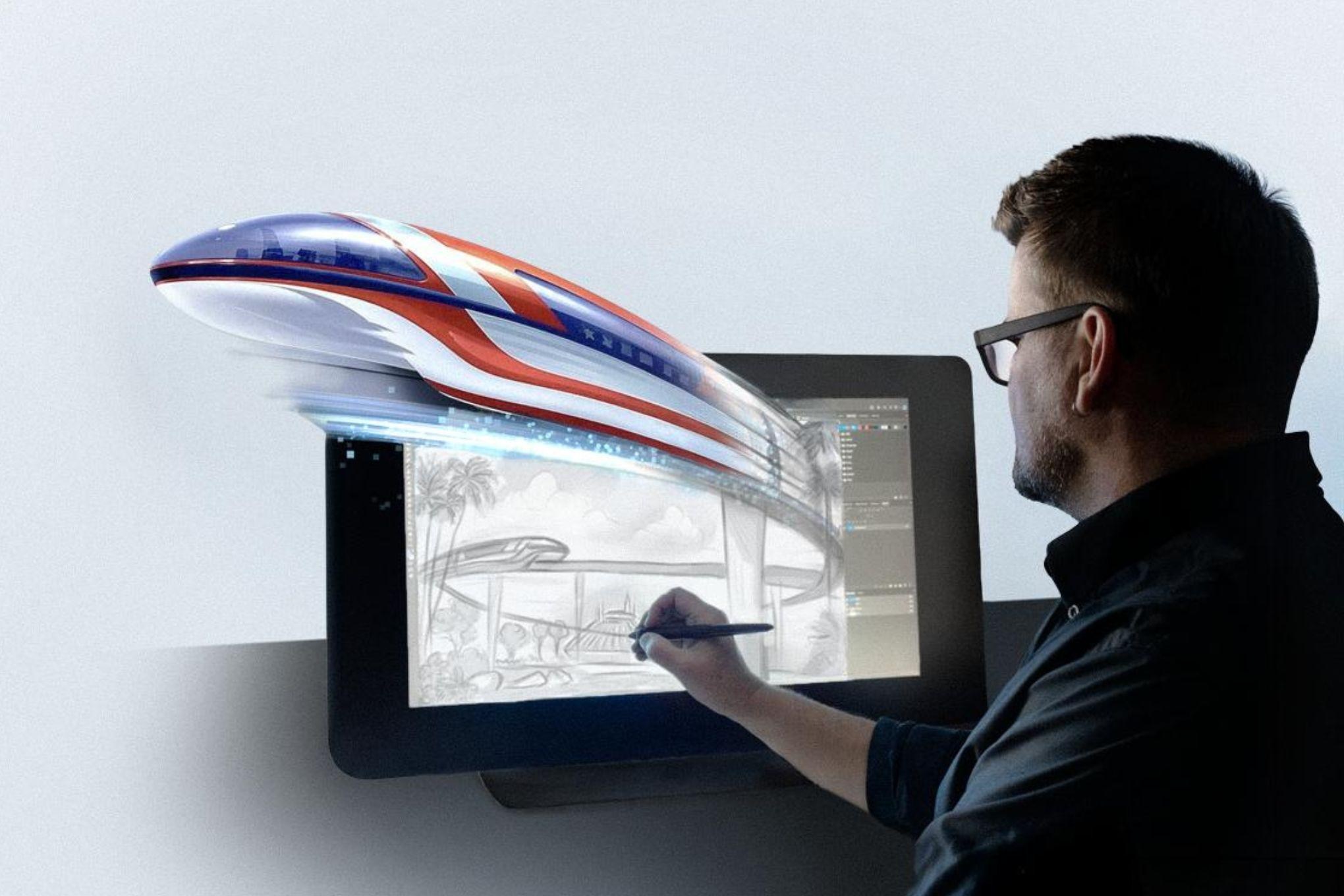
The Walt Disney Company has announced a multi-year partnership with Adobe to develop proprietary ‘artist-led’ generative AI models aimed at supporting Disney’s production pipeline. This collaboration was unveiled during Adobe’s MAX conference, where it was highlighted that the partnership will extend beyond just theme parks and cruise lines but also into ESPN content creation.
The primary focus of this collaboration is on responsibly developed AI technologies designed to enhance creativity within Disney’s properties. By leveraging Adobe Firefly Foundry, Disney aims not only to streamline its creative processes but also to ensure that these advancements are aligned with the company’s values and standards for responsible technology use.
Technical Analysis & Competitive Landscape
The integration of generative AI into media production represents a significant shift towards more automated yet artistically controlled workflows. Generative models like those being developed by Disney and Adobe can generate high-quality content based on user inputs, which could significantly reduce the time required for creating assets such as animations or visual effects.
From an architectural perspective, these AI tools operate within complex distributed systems that must handle large volumes of data efficiently while ensuring real-time performance. The challenge lies in balancing creativity with automation without compromising the unique artistic vision behind each project. This requires sophisticated machine learning algorithms capable of understanding nuanced creative directions provided by artists.
Key Performance Metrics & Specifications
- Compute & Throughput: These models need to process vast amounts of data quickly, requiring robust computational resources and optimized algorithms for efficient training and inference.
- Scalability & Deployment: The ability to scale these systems across various platforms (e.g., cloud services) ensures flexibility in deployment options. Scalable architectures allow Disney to adapt to changing demands without significant disruptions.
- Security & Maintenance: Ensuring that these AI tools operate securely is crucial, especially given their potential impact on sensitive data and intellectual property. Regular updates and maintenance are necessary to keep the systems up-to-date with latest security patches and improvements.
Industry & Strategic Implications
This collaboration between Disney and Adobe has broader implications for the entertainment industry. It signals a trend towards greater automation in creative processes, which could lead to increased productivity across studios and production houses worldwide. However, it also raises questions about job displacement due to increased reliance on AI tools.
“This partnership is about more than just technology; it’s about fostering innovation while staying true to our core values,” said a Disney spokesperson.
Final Outlook
The future of generative AI in media production looks promising, with potential for further advancements that could transform how content is created. As these technologies mature, we can expect to see more collaborations between tech giants and creative industries as they explore new ways to leverage AI responsibly.



