
⚡ Executive Summary
- Core News: Major retailers like Amazon, Walmart, Target, and others have announced extended shipping deadlines and return policies for the holiday season.
- Key Metric/Data: Extended return periods range from 30 days to over a year for certain items.
- Strategic Impact: Retailers are leveraging these policies to boost sales during peak shopping times, while consumers benefit from more flexibility in gift-giving.
Developing News & Core Details
The holiday season is a critical period for retailers as they strive to meet consumer demand and ensure satisfaction. This year, many major retailers have announced special shipping and return policies designed to cater to the increased traffic during this time.
A notable example is Amazon Prime members who receive free same-day delivery in qualifying ZIP codes provided their cart meets a certain dollar threshold. Apple has also introduced a policy where it offers free delivery of in-stock items that haven’t been engraved by Christmas Eve, if ordered before December 21st at 9PM ET.
Technical Analysis & Competitive Landscape
The shipping policies of these retailers are deeply intertwined with their fulfillment strategies. For instance, Walmart provides free next-day delivery in eligible ZIP codes and two-day delivery for orders over $35. This not only enhances customer convenience but also supports the retailer’s logistics infrastructure.
Apple’s policy of offering extended return periods aligns with its premium brand positioning, emphasizing customer satisfaction even during peak times. Target has implemented a 90-day window for electronics and entertainment items purchased between November 1st and December 24th, allowing returns until January 24th, 2027.
Key Performance Metrics & Specifications
- Compute & Throughput: The efficiency of these policies is measured by the number of orders processed within the specified timeframes and the satisfaction rate of customers.
- Scalability & Deployment: Retailers must ensure their systems can handle increased traffic during peak periods, which requires robust infrastructure and efficient resource allocation.
- Security & Maintenance: Extended return policies pose challenges in maintaining inventory accuracy. Retailers need to implement advanced tracking systems and data management practices to mitigate risks.
Industry & Strategic Implications
The extended shipping and return periods are strategic moves by retailers to enhance customer experience, which can lead to increased sales during the holiday season. However, these policies also have broader implications for enterprise IT and cloud infrastructure. Retailers need to ensure their systems can handle the surge in traffic without compromising performance or security.
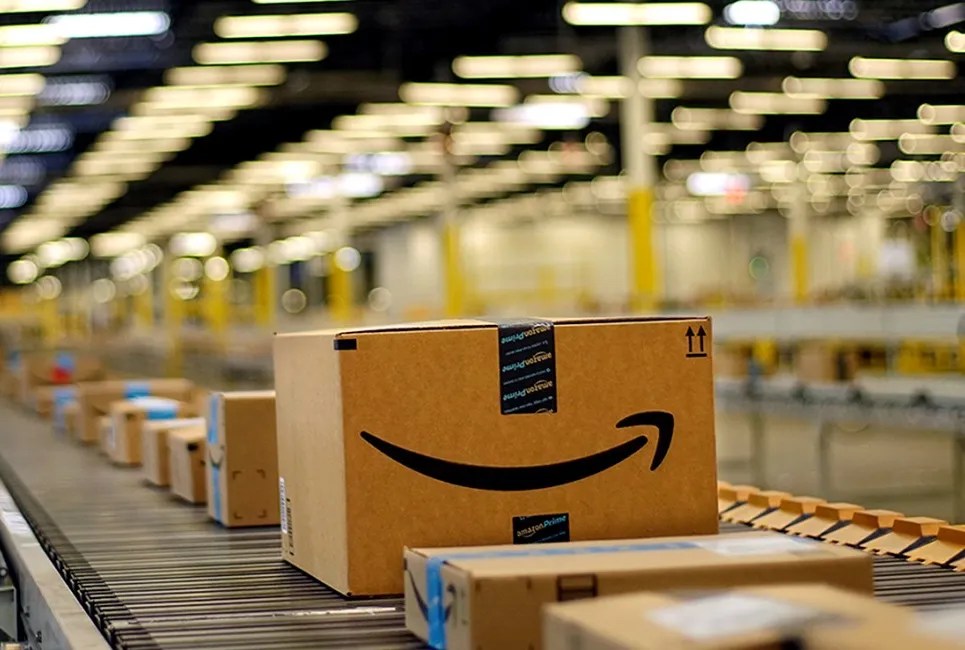
For instance, Amazon’s Prime members benefit from faster delivery times, but this requires significant investment in logistics and fulfillment centers. Similarly, Apple’s extended return policy necessitates robust inventory management and customer service support.
“Retailers are leveraging these policies to boost sales during peak shopping times, while consumers benefit from more flexibility in gift-giving.”
Final Outlook
The holiday season is a critical period for retailers as they strive to meet consumer demand and ensure satisfaction. This year, many major retailers have announced special shipping and return policies designed to cater to the increased traffic during this time.
Looking ahead, we can expect further innovation in logistics and fulfillment strategies. Retailers will continue to invest in advanced technologies to enhance customer experience while maintaining operational efficiency. The strategic implications of these policies extend beyond individual retailers, influencing broader industry trends and consumer behavior.



