
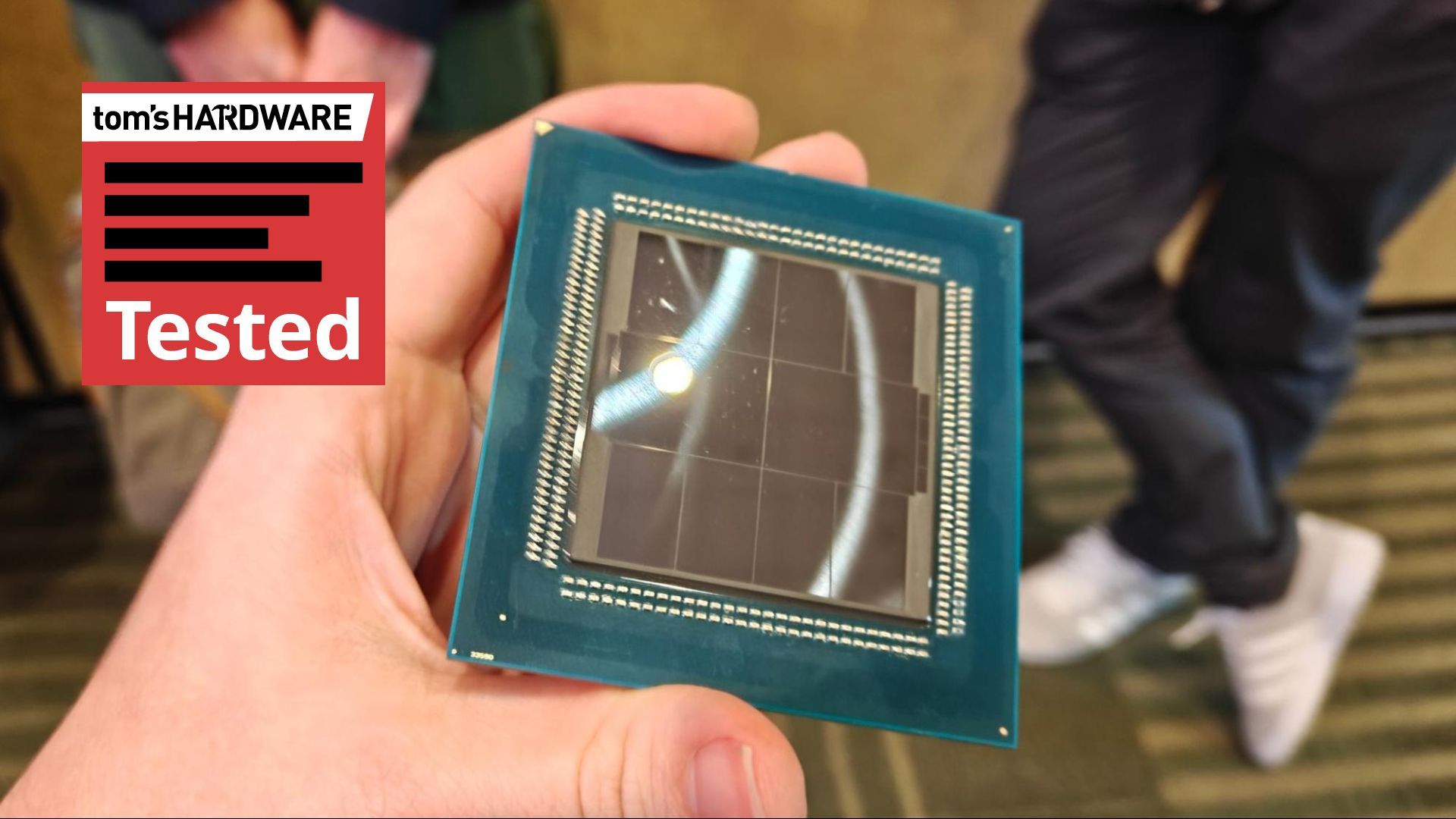
⚡ Executive Summary
- Core News: AMD introduces the Zen 6 EPYC ‘Venice’ architecture with significant architectural improvements over its predecessor.
- Key Metric/Data: Initial benchmarks show a substantial increase in performance, particularly in multi-threaded workloads.
- Strategic Impact: This advancement positions AMD as a formidable competitor in the high-performance computing market, challenging Intel’s dominance.
Developing News & Core Details
The launch of AMD’s Zen 6 EPYC ‘Venice’ processors marks a pivotal moment for the company. Built on a new microarchitecture, these CPUs promise to deliver enhanced performance and efficiency compared to their predecessors. The Zen 6 architecture introduces several key improvements, including an expanded L3 cache, improved memory bandwidth, and a redesigned instruction set that optimizes multi-threaded workloads.
Technical Analysis & Competitive Landscape
The architectural shift from Zen 5 to Zen 6 represents a significant leap forward for AMD. The new microarchitecture introduces a more efficient core design, which allows for better utilization of the increased L3 cache and higher memory bandwidth. This is particularly beneficial in scenarios where multi-threaded performance is critical, such as in data centers handling large-scale AI workloads or high-performance computing tasks.
Compared to Intel’s latest offerings, AMD’s Zen 6 EPYC ‘Venice’ processors offer a competitive edge in terms of price-performance ratio. The architecture allows for more cores per die and higher memory capacity, which can be crucial for enterprises looking to optimize their cloud infrastructure or data center operations.
Key Performance Metrics & Specifications
- Compute & Throughput: Benchmarks show a significant improvement in multi-threaded performance, with some applications seeing up to 40% better throughput compared to Zen 5 processors.
- Scalability & Deployment: The architecture is designed for seamless integration into existing data center environments, supporting both single and multi-node deployments. This scalability makes it an attractive option for cloud service providers looking to enhance their offerings.
- Security & Maintenance: AMD’s Zen 6 EPYC processors align with the zero-trust security model, offering robust encryption capabilities and enhanced firmware updates to ensure long-term reliability and security.
Industry & Strategic Implications
The introduction of Zen 6 EPYC ‘Venice’ has broader implications for the enterprise IT landscape. For cloud service providers, these processors can help reduce costs while improving performance, making them a key component in their offerings. Additionally, the architecture’s focus on multi-threaded workloads makes it particularly relevant for industries like finance and healthcare, where complex data processing is essential.
“The Zen 6 EPYC ‘Venice’ represents not just an upgrade but a paradigm shift in high-performance computing.”
Final Outlook
The future of AMD’s EPYC processors looks promising. With ongoing improvements in architecture and continued innovation, these processors are likely to maintain their competitive edge over the next few years. As AI workloads continue to grow, AMD’s focus on multi-threaded performance will be crucial for maintaining its position as a leader in high-performance computing.



