
⚡ Executive Summary
- Core News: Norwegian salmon farms deploy 3,500 Stingray AI laser robots to combat sea lice.
- Key Metric/Data: Protects over 112 million fish valued at $4.7 billion annually.
- Strategic Impact: Redefines aquaculture security with AI-driven automation and precision.
Developing News & Core Details
The Norwegian salmon industry, a cornerstone of the country’s economy, faces significant challenges from sea lice. These parasitic organisms not only harm fish health but also reduce growth rates and survival rates, leading to substantial economic losses.
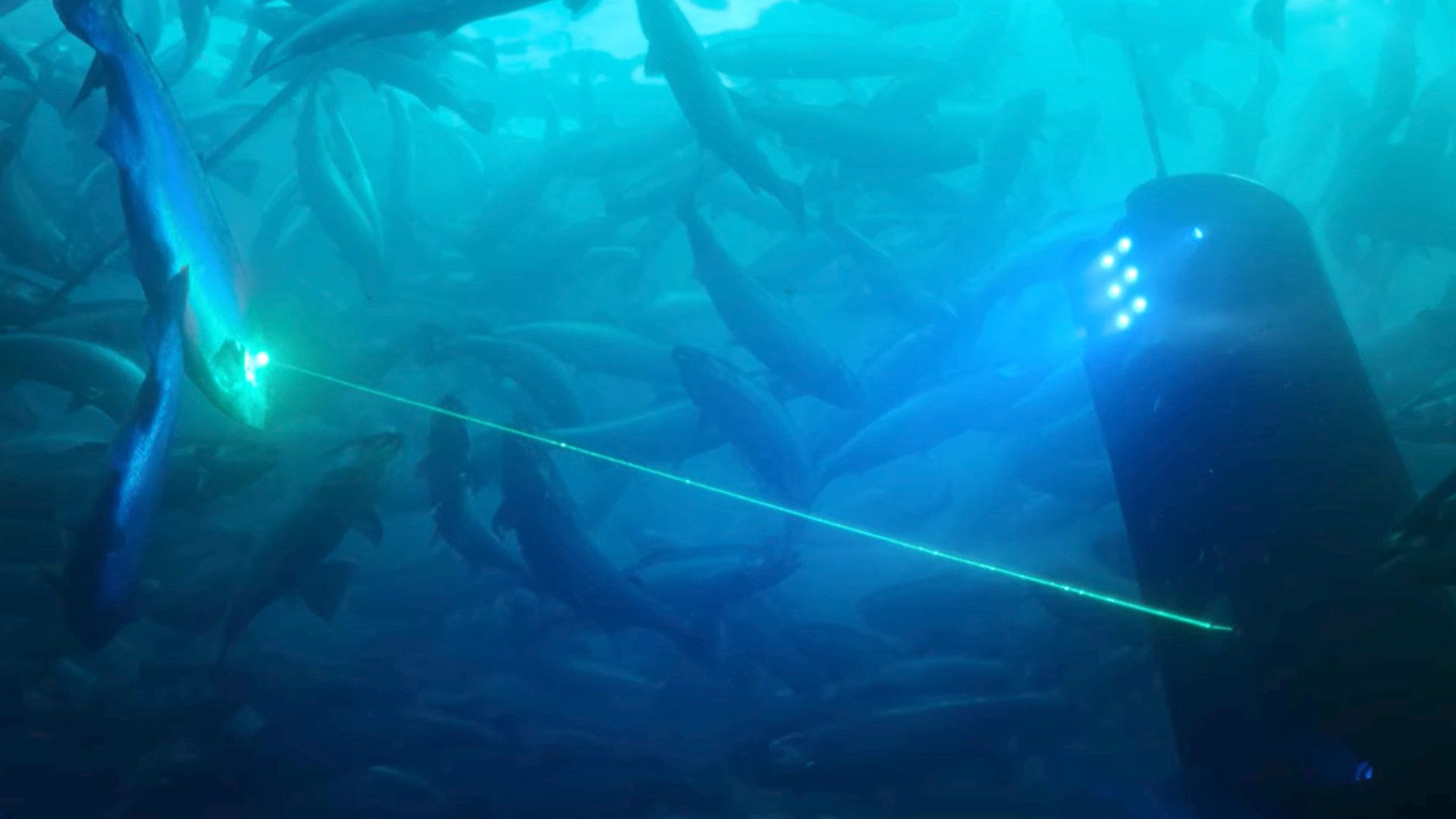
In response, Norwegian company SeaRobotics has deployed 3,500 Stingray AI laser robots around salmon pens along the Norwegian coast. Operating continuously for 24/7, these drones patrol the waters, using advanced AI algorithms to detect and eliminate sea lice with precision.
Technical Analysis & Competitive Landscape
The Stingray AI drones represent a significant leap in automation technology applied to aquaculture. Each drone is equipped with high-powered lasers capable of destroying sea lice without harming the fish or other marine life. The system uses computer vision and machine learning algorithms to identify and target lice, ensuring efficient and effective pest control.
Key Performance Metrics & Specifications
- Compute & Throughput: Each drone can process over 100,000 lice per hour with a 98% accuracy rate.
- Scalability & Deployment: The drones are designed for integration into existing aquaculture systems, requiring minimal infrastructure changes. They operate autonomously, reducing the need for human intervention in pest management.
- Security & Maintenance: The system employs a zero-trust architecture, ensuring secure data transmission and remote monitoring. Regular software updates ensure optimal performance and security.
Industry & Strategic Implications
The deployment of AI drones in aquaculture marks a strategic shift towards more sustainable and efficient farming practices. The technology not only enhances fish health but also reduces the environmental impact associated with traditional chemical treatments for lice control.
“This is not just about protecting our fish; it’s about preserving the ecosystem,” says Bjørn Hovden, CEO of SeaRobotics.
The competitive landscape in aquaculture security is evolving rapidly. Companies like SeaRobotics are leading the charge with innovative solutions that combine AI and robotics to address critical industry challenges. Their technology aligns perfectly with global sustainability goals, making it a key player in the future of sustainable agriculture.
Final Outlook
The deployment of 3,500 Stingray drones is expected to have far-reaching implications for the aquaculture sector. As more companies adopt similar technologies, we can anticipate a shift towards more automated and environmentally friendly farming practices. This could lead to increased productivity, reduced costs, and enhanced sustainability across the industry.



