
⚡ Executive Summary
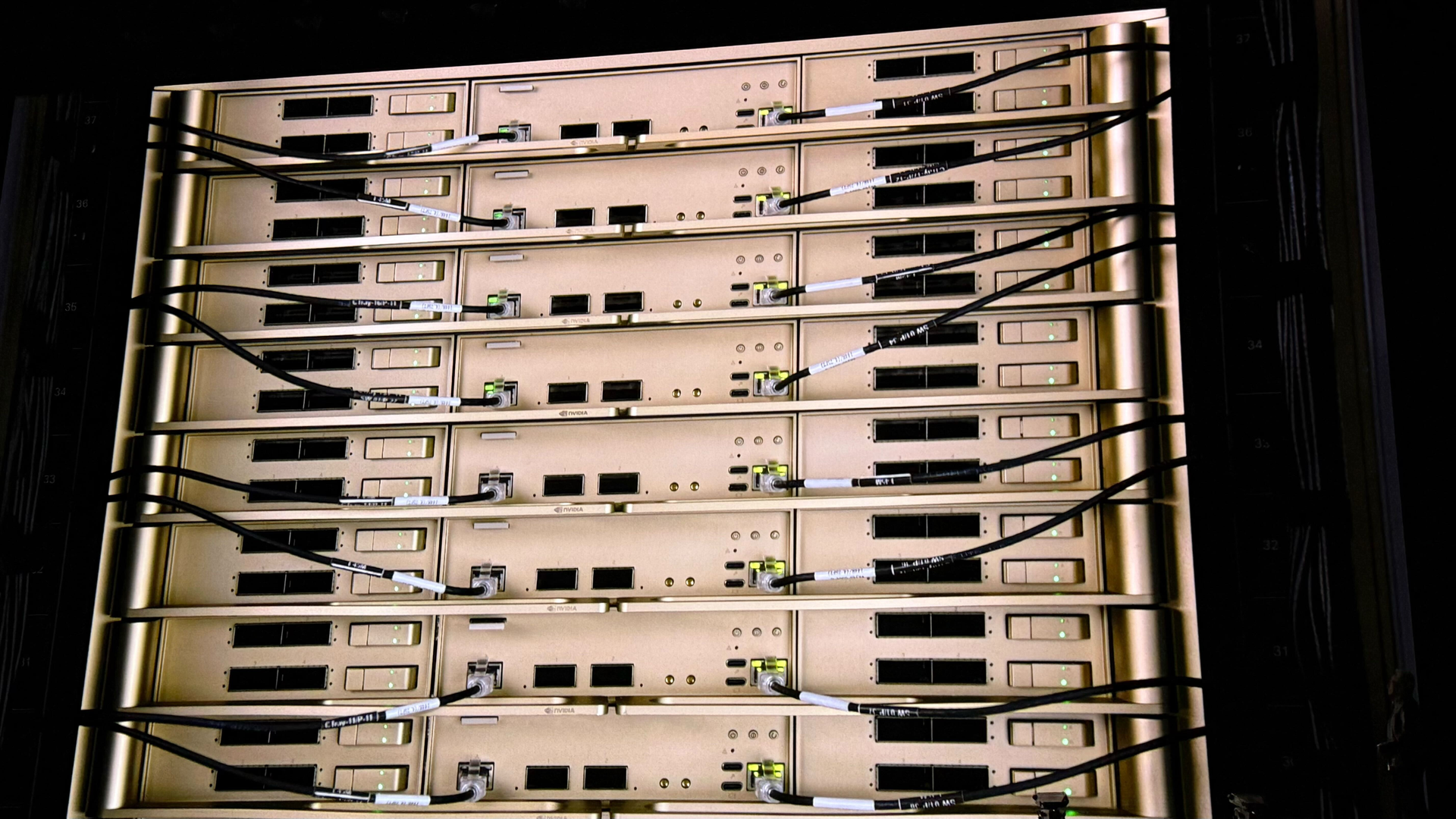
- Core News: SpaceX is reportedly developing a ‘Kessel’ rack-scale system with 72 Nvidia Rubin GPUs.
- Key Metric/Data: The system relies on an 84-layer PCB midplane for high-density GPU integration.
- Strategic Impact: This innovation could revolutionize space-based data centers and influence cloud computing architecture.
Developing News & Core Details
The reported development of SpaceX’s ‘Kessel’ rack-scale system with 72 Nvidia Rubin GPUs is a significant milestone in the realm of space-based infrastructure. This system, which reportedly uses an 84-layer PCB midplane for high-density GPU integration, aims to push the boundaries of computational power and efficiency within confined space environments.
SpaceX’s ‘Kessel’ system is designed to address the unique challenges faced by space-based data centers, such as limited physical space, extreme environmental conditions, and stringent power constraints. By leveraging 72 Nvidia Rubin GPUs, SpaceX aims to deliver unprecedented computational capabilities in a compact form factor, making it suitable for deployment in low Earth orbit (LEO) satellites or other space assets.
The use of an 84-layer PCB midplane is particularly noteworthy as it enables high-density GPU integration while minimizing the overall footprint and weight. This architectural choice not only maximizes computational efficiency but also optimizes power consumption, a critical factor in space missions where every kilogram counts.
Technical Analysis & Competitive Landscape
The ‘Kessel’ system represents a significant advancement in space-based computing infrastructure. By integrating 72 Nvidia Rubin GPUs into a single rack-scale system, SpaceX is addressing the growing demand for high-performance computing capabilities in space. This innovation could have far-reaching implications for various industries, including satellite communications, Earth observation, and even deep-space exploration.
From a technical standpoint, the use of an 84-layer PCB midplane allows for efficient data transfer between GPUs, reducing latency and improving overall system performance. This architectural choice is particularly important in space-based systems where every millisecond counts due to the high-speed nature of data processing required by modern applications.
SpaceX’s ‘Kessel’ system also introduces a competitive edge in the space-based computing market. Traditional cloud providers like Amazon Web Services (AWS) and Microsoft Azure have been expanding their presence in space, but SpaceX’s innovative approach could give it a significant advantage. By offering high-performance computing capabilities directly from space assets, SpaceX can reduce latency and improve data processing times for applications that require real-time processing.
However, this innovation also presents challenges. The extreme environmental conditions of space, such as radiation and temperature fluctuations, pose unique risks to the system’s reliability and longevity. SpaceX will need to develop robust cooling solutions and radiation-hardened components to ensure the system’s stability in space.
Industry & Strategic Implications
The development of ‘Kessel’ could have a profound impact on the broader IT industry, particularly in areas such as cloud computing, satellite communications, and Earth observation. By offering high-performance computing capabilities directly from space assets, SpaceX can reduce latency and improve data processing times for applications that require real-time processing.
From an operational perspective, this innovation could lead to significant cost savings for organizations relying on space-based data centers. By reducing the need for ground-based infrastructure, SpaceX’s ‘Kessel’ system could lower overall TCO (Total Cost of Ownership) and improve scalability.
“SpaceX’s ‘Kessel’ system represents a paradigm shift in space-based computing, offering unprecedented computational power while minimizing physical footprint and weight.” – Analyst at OnexCapital.IO
Final Outlook
The future of space-based data centers is likely to be shaped by innovations like SpaceX’s ‘Kessel’ system. As the demand for high-performance computing in space continues to grow, we can expect to see more companies exploring this frontier. However, the challenges of operating in space will require ongoing innovation and collaboration between technology providers and space agencies.
For organizations considering adopting or migrating to space-based data centers, the ‘Kessel’ system could provide a competitive advantage by offering lower latency and improved performance. However, careful consideration must be given to the unique challenges posed by operating in space, including environmental conditions and reliability concerns.



