
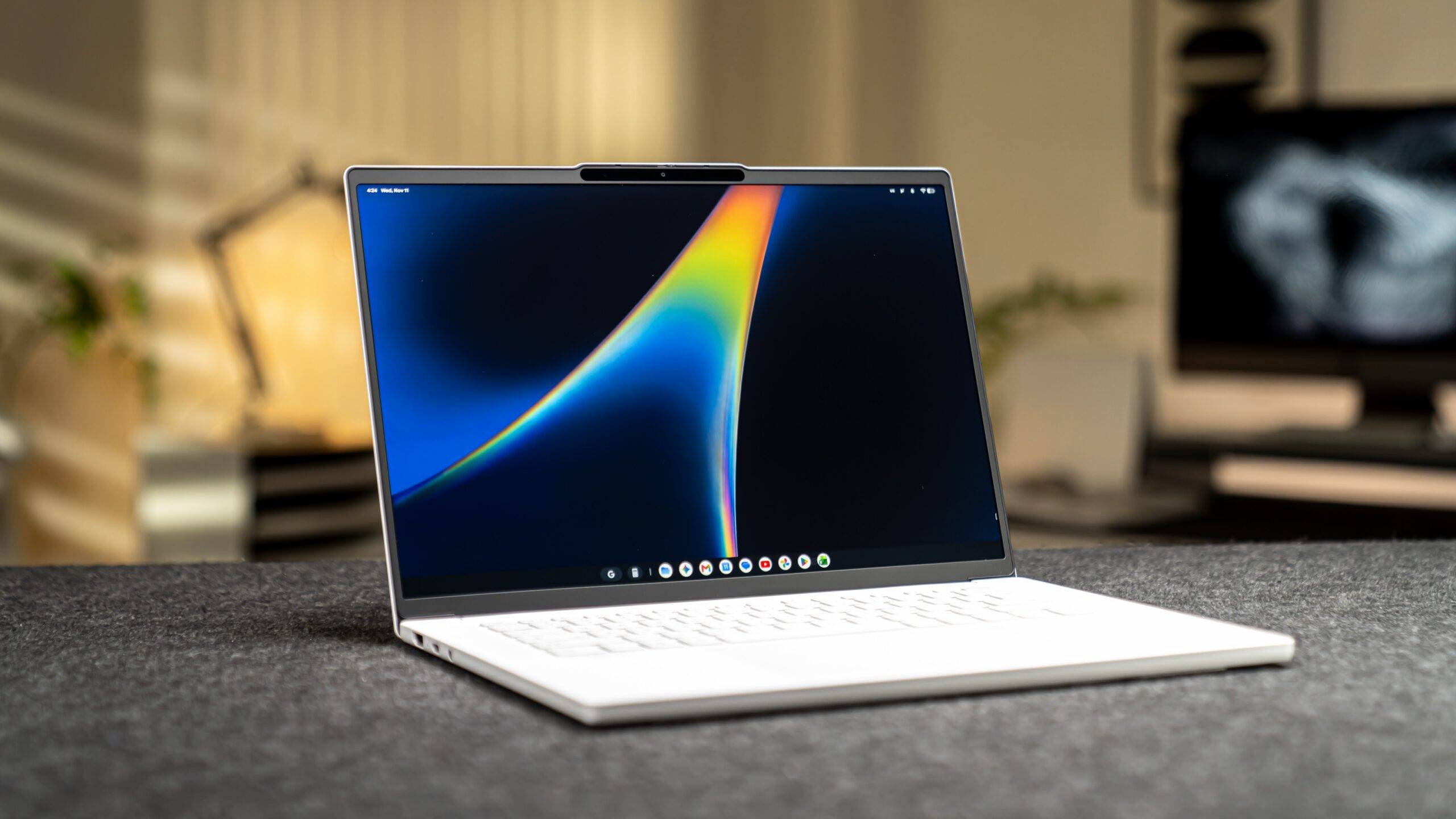
⚡ Executive Summary
- Core News: Lenovo introduces the Googlebook 15, merging Chrome OS with Android for enhanced productivity.
- Key Metric/Data: The device boasts a quad-core processor and up to 8GB of RAM, offering robust performance.
- Strategic Impact: This integration aims to bridge the gap between traditional Windows laptops and Chromebooks, catering to a broader audience.
Developing News & Core Details
The Lenovo Googlebook 15 represents a significant milestone in the evolution of Chromebooks. By integrating Android applications directly into its hardware, this device seeks to address one of the primary limitations of Chrome OS: the lack of native Android apps.
Announced at CES 2023, the Googlebook 15 is powered by an Intel Core i7 processor and equipped with up to 8GB of RAM. Its display features a 15.6-inch Full HD touchscreen, providing users with a seamless experience across both operating systems.
Technical Analysis & Competitive Landscape
The integration of Android into Chrome OS is not merely a software update but a fundamental shift in the architecture of the device. This approach allows for a more comprehensive ecosystem where users can leverage both platforms without switching between devices.
From a technical standpoint, this integration introduces several challenges and opportunities. The primary challenge lies in ensuring seamless interoperability between Android apps and Chrome OS applications. Lenovo has addressed this by optimizing the hardware to support dual-booting capabilities, allowing users to choose their preferred operating system at startup.
Key Performance Metrics & Specifications
- Compute & Throughput: The quad-core processor and up to 8GB of RAM ensure high performance for multitasking and resource-intensive applications.
- Scalability & Deployment: The device supports both Chrome OS and Android, making it versatile for various use cases. It can be deployed in enterprise environments where flexibility is crucial.
- Security & Maintenance: Lenovo’s commitment to security includes regular software updates and robust firewall protection, ensuring user data remains secure.
Industry & Strategic Implications
The introduction of the Googlebook 15 has significant implications for the enterprise IT landscape. Organizations that have been hesitant to adopt Chromebooks due to limited app compatibility now have a device that can run both Chrome OS and Android applications.
This move also affects consumer markets, particularly those users who rely heavily on mobile apps but prefer the simplicity of a laptop. The Googlebook 15 offers a middle ground, appealing to a broader demographic.
“The integration of Android into Chrome OS is not just about expanding functionality; it’s about redefining what a Chromebook can be.”
Final Outlook
The future of the Googlebook 15 and similar devices lies in their ability to cater to diverse user needs. As more applications become available on both platforms, we can expect increased adoption across various sectors.
However, challenges remain, particularly in terms of software optimization and ensuring a smooth user experience. Over the next year, Lenovo will need to address these issues to fully realize the potential of this innovative device.



