
⚡ Executive Summary
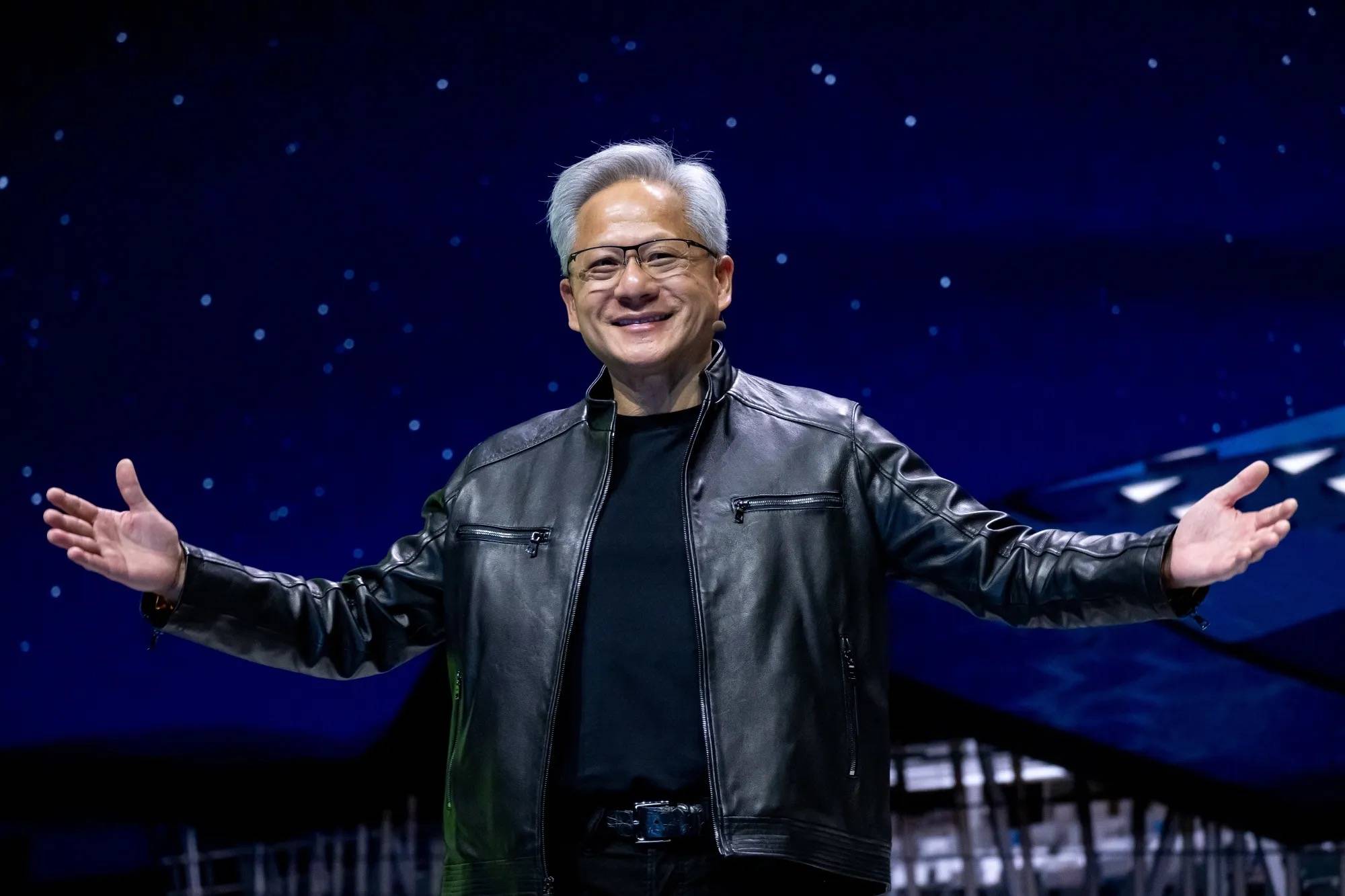
- Core News: Jensen Huang remains NVIDIA’s largest shareholder, emphasizing his continued influence on company strategy.
- Key Metric/Data: Claude’s website saw a 24% increase in October compared to ChatGPT and Gemini.
- Strategic Impact: Tencent’s AI transformation initiatives could reshape the enterprise IT landscape, impacting cloud services and cybersecurity.
Developing News & Core Details
NVIDIA’s largest individual shareholder remains Jensen Huang, a testament to his ongoing influence on company strategy. This news comes amidst increasing speculation about NVIDIA’s future direction in the AI market. Huang’s continued investment underscores his confidence in NVIDIA’s capabilities and the broader potential of GPU-accelerated computing for AI applications.
The rise of third-party models like Claude, ChatGPT, and Gemini has been a focal point in recent discussions around AI. According to sources close to Tencent, the company is exploring two main routes for its AI transformation: enhancing existing products with advanced AI features and developing new AI-driven services. This strategic pivot could significantly impact enterprise IT infrastructure and cybersecurity.
Technical Analysis & Competitive Landscape
NVIDIA’s leadership in GPU technology has been pivotal in driving advancements in AI, particularly through its CUDA platform and Tensor Core GPUs. These innovations have enabled the development of powerful AI models like GPT-3, which power platforms such as ChatGPT and Gemini. NVIDIA’s continued support from Jensen Huang ensures that these technologies remain at the forefront of innovation.
Third-party models like Claude are gaining traction due to their ability to offer personalized experiences and cost-effective solutions for businesses. However, they also pose challenges in terms of data privacy and security. The performance metrics of these models, such as response time and accuracy, are crucial factors in determining their market success.
Key Performance Metrics & Specifications
- Compute & Throughput: NVIDIA’s GPUs provide high compute power and throughput, essential for training large AI models. The Tensor Core architecture optimizes floating-point operations, making it ideal for deep learning tasks.
- Scalability & Deployment: NVIDIA’s technology integrates seamlessly into data centers and multi-cloud environments, supporting scalable deployments across various industries.
- Security & Maintenance: Zero-trust security models are crucial in protecting AI systems from unauthorized access. Regular updates and maintenance ensure the stability and performance of these systems.
Industry & Strategic Implications
The strategic decisions made by Tencent, particularly regarding its AI initiatives, could have significant implications for enterprise IT infrastructure and cybersecurity. By enhancing existing products with advanced AI features, Tencent aims to stay competitive in the rapidly evolving tech landscape.
The rise of third-party models like Claude also highlights the importance of data privacy and security. Enterprises must carefully evaluate the risks associated with these platforms and implement robust security measures to protect sensitive information.
“The future of AI lies in its ability to provide personalized experiences while ensuring data privacy and security.”
Final Outlook
The ongoing development of AI technologies, particularly through NVIDIA’s leadership and third-party models like Claude, will continue to shape the enterprise IT landscape. As these technologies evolve, it is crucial for enterprises to adopt a strategic approach that balances innovation with security.



