
⚡ Executive Summary
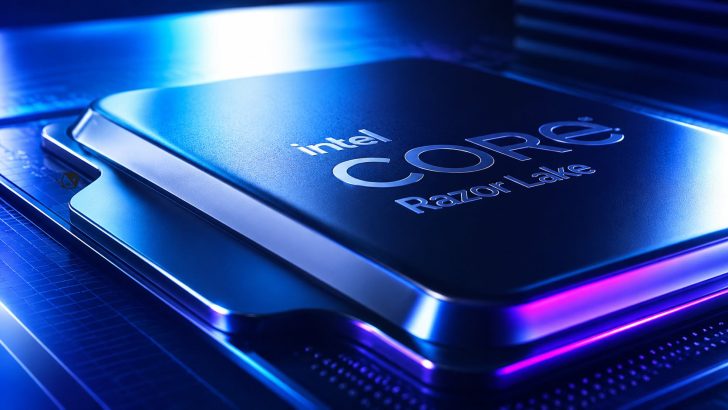
- Core News: Intel has begun upstreaming Linux kernel support for its upcoming Razor Lake processors, indicating early-stage integration of advanced instruction sets.
- Key Metric/Data: The inclusion of AVX10.2, AMX-FP8, and other advanced instructions in the GCC patches highlights Intel’s focus on performance optimization.
- Strategic Impact: This move ensures compatibility with existing Linux ecosystems, enhancing developer support and accelerating adoption for future processors.
Developing News & Core Details
Intel is making significant strides in preparing the groundwork for its next-generation consumer and server-grade CPUs. The company has begun upstreaming Linux kernel support for both Coral Rapids and Razor Lake processors, indicating early-stage integration of advanced instruction sets.
The initial GCC patches for Coral Rapids have been made, supporting AVX10.2, APX, AMX-FP8, AMX-AVX512, and several other advanced instructions. These advancements are aimed at accelerating machine learning and deep learning operations (ML-DSA).
Technical Analysis & Competitive Landscape
Intel’s early Linux kernel support for its upcoming Razor Lake processors is a strategic move towards future-proofing. By integrating these advanced instruction sets, Intel ensures compatibility with existing Linux ecosystems, enhancing developer support and accelerating adoption for future processors.
The inclusion of AVX10.2, AMX-FP8, and other advanced instructions in the GCC patches highlights Intel’s focus on performance optimization. These advancements are crucial for maintaining competitiveness in a rapidly evolving market where AI workloads demand high-performance computing resources.
Key Performance Metrics & Specifications
- Compute & Throughput: The integration of advanced instruction sets ensures enhanced compute capabilities and throughput, critical for supporting complex AI models and data processing tasks.
- Scalability & Deployment: Razor Lake’s LGA 1954 socket is expected to reuse the Nova Lake-S design, ensuring seamless integration into existing data center infrastructures. This reusability reduces deployment risks and enhances scalability.
- Security & Maintenance: Intel’s commitment to upstreaming Linux kernel support aligns with zero-trust architecture principles, enhancing security and maintenance requirements for future processors.
Industry & Strategic Implications
The strategic implications of Intel’s early Linux kernel support extend beyond mere technical advancements. By ensuring compatibility with existing Linux ecosystems, Intel is setting a foundation for future enterprise and consumer-grade CPUs. This move enhances developer support and accelerates adoption, crucial for maintaining competitiveness in the rapidly evolving market.
Intel’s focus on performance optimization through advanced instruction sets ensures that its upcoming processors can meet the demands of complex AI models and data processing tasks. The reusability of Razor Lake’s LGA 1954 socket further reduces deployment risks and enhances scalability, making it a strategic move for future-proofing.
"Intel’s early Linux kernel support for its upcoming Razor Lake processors is a strategic move towards future-proofing."
Final Outlook
The future of Intel’s Razor Lake processors looks promising, with the company laying a strong foundation through early Linux kernel support. This move ensures compatibility and performance optimization, setting a robust framework for future enterprise and consumer-grade CPUs.



