
⚡ Executive Summary
- Core News: Companies are redefining their infrastructure as ‘smart factories’ in the AI era.
- Key Metric/Data: 70% of enterprises plan to invest heavily in AI by 2025, according to Gartner.
- Strategic Impact: This shift impacts not only IT infrastructure but also organizational culture and operational efficiency.
Developing News & Core Details
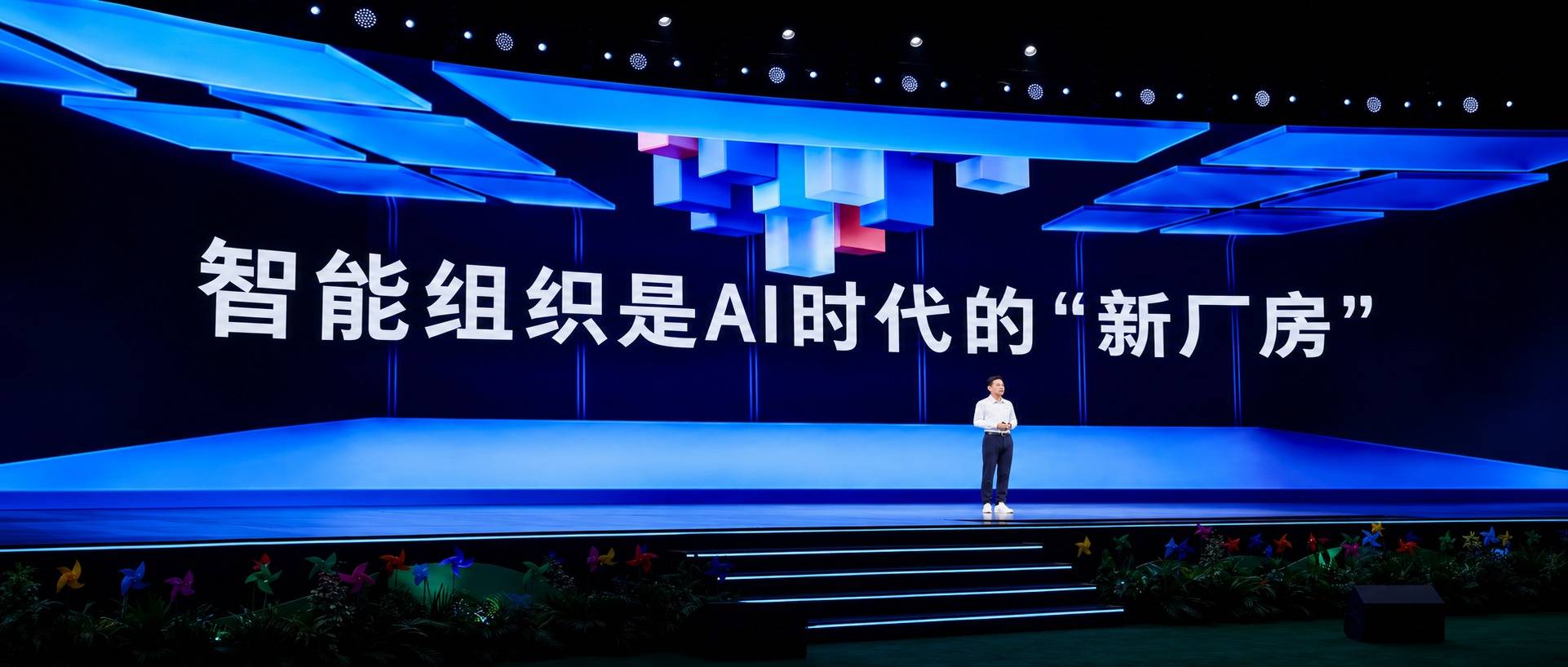
The concept of a ‘new factory’ in the AI era refers to companies reimagining their entire infrastructure as an intelligent, interconnected system. This transformation is not just about technology but also about organizational culture and operational efficiency.
Leading firms like Alibaba Cloud, AWS, and Google Cloud are at the forefront of this shift. They are investing heavily in AI-driven solutions that integrate seamlessly with existing systems to create more efficient and responsive operations.
Technical Analysis & Competitive Landscape
The ‘new factory’ concept involves several key components: cloud infrastructure, AI algorithms, data analytics, and automation. Cloud providers like AWS offer services such as Amazon SageMaker for machine learning model training and deployment, while Google Cloud provides Anthos for hybrid and multi-cloud environments.
Key Performance Metrics & Specifications
- Compute & Throughput: These systems are designed to handle large-scale data processing with minimal latency. For instance, AWS’s EC2 instances can scale up to 100,000 vCPUs.
- Scalability & Deployment: The architecture allows for seamless integration into existing data centers or multi-cloud environments. Google Cloud’s Anthos enables consistent application deployment across different cloud platforms.
- Security & Maintenance: Zero-trust security models are being implemented to ensure data integrity and compliance with regulations like GDPR. Regular maintenance schedules are crucial to keep these systems running smoothly.
Industry & Strategic Implications
The shift towards ‘smart factories’ has broader implications for enterprise IT, consumers, and investors. It impacts the total cost of ownership (TCO) by optimizing resource usage and reducing operational costs. For consumers, this means faster, more personalized services.
For investors, there are significant opportunities in sectors like AI hardware, software development, and cloud infrastructure. However, there are also risks associated with high initial investment and the need for skilled personnel to manage these complex systems.
“The ‘new factory’ is not just about technology; it’s about transforming how companies operate and compete in the digital age.”
Final Outlook
The future of enterprise IT lies in smart factories. Over the next 12-24 months, we can expect further integration of AI into core business processes, leading to increased efficiency and innovation. Companies that embrace this transformation early will gain a competitive edge.



