
⚡ Executive Summary
- Core News: Lenovo introduces the Googlebook 15 with an Android overlay on its Chromebook.
- Key Metric/Data: The device supports dual operating systems, enhancing versatility for users.
- Strategic Impact: It challenges traditional Chromebook market boundaries and positions itself as a versatile enterprise tool.
Developing News & Core Details
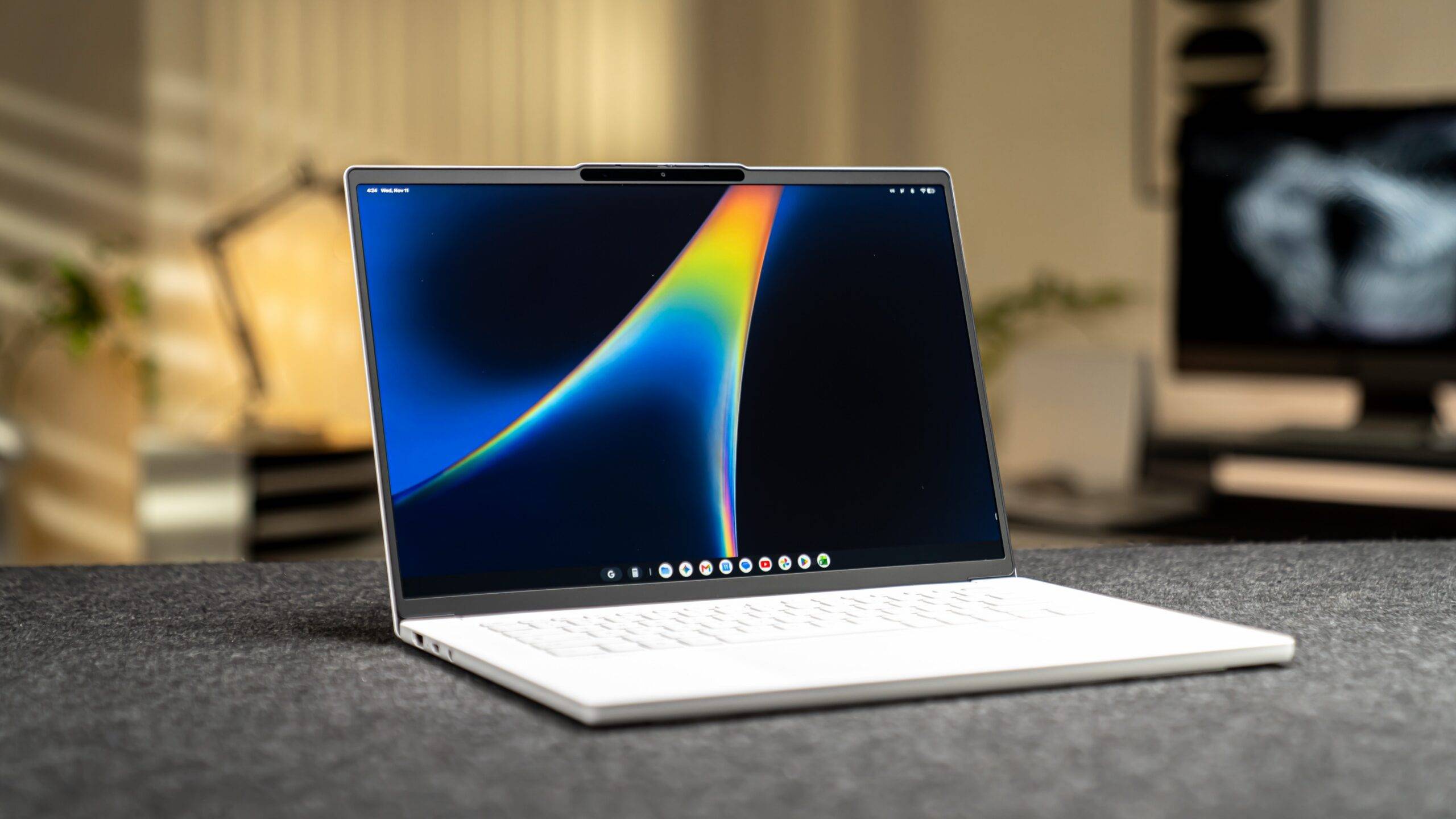
The Lenovo Googlebook 15 is a significant evolution in the Chromebook ecosystem, marking its first foray into supporting Android applications natively. This device leverages the familiar interface of Google Chrome OS while adding the flexibility and app compatibility of an Android system. The integration of these two operating systems aims to cater to a broader user base, including developers, students, and professionals who require both web-based productivity tools and native mobile apps.
The Googlebook 15 is powered by Intel’s latest processors, ensuring robust performance for multitasking and resource-intensive applications. Its sleek design and lightweight form factor make it an attractive option for on-the-go users. The device supports a variety of Android apps through the Chrome OS ecosystem, allowing users to access a wide range of productivity tools and entertainment options.
Technical Analysis & Competitive Landscape
The technical architecture of the Googlebook 15 is a blend of two distinct operating systems—Chrome OS and Android. This hybrid approach presents both opportunities and challenges for Lenovo. Chrome OS, known for its simplicity and security, provides a stable environment for web applications and cloud-based services. By overlaying an Android layer, Lenovo aims to enhance the device’s versatility by enabling native Android apps.
The integration of these two systems requires careful management of resources and performance optimization. The Googlebook 15 must ensure seamless transitions between Chrome OS and Android without compromising system stability or user experience. This hybrid architecture also introduces potential security risks, as both operating systems need to be kept up-to-date with patches and updates.
Compared to traditional Chromebooks, the Googlebook 15 offers a more comprehensive set of applications, including those that are not available on Chrome OS alone. However, this expanded app ecosystem also increases the complexity of device management and support. Lenovo faces competition from other manufacturers who are exploring similar hybrid approaches or focusing solely on Android-based devices.
Industry & Strategic Implications
The introduction of the Googlebook 15 has significant implications for the enterprise IT landscape. Enterprises that require both web-based productivity tools and native mobile apps will find this device particularly appealing. The ability to run Android applications on a Chromebook could streamline workflows for developers, students, and professionals who need access to a wide range of tools.
However, the strategic implications extend beyond individual users. Lenovo’s move into supporting Android applications challenges traditional Chromebook market boundaries and positions itself as a versatile enterprise tool. This shift may also influence other manufacturers in the industry, prompting them to explore similar hybrid approaches or enhance their existing offerings.
“The Googlebook 15 represents a strategic pivot for Lenovo, blending the simplicity of Chrome OS with the flexibility of Android to cater to a broader user base.”
Final Outlook
The future of the Googlebook 15 will depend on its ability to deliver a seamless and secure experience across both operating systems. As the device gains market traction, Lenovo may explore further integration with other platforms or expand its app ecosystem. The success of this hybrid approach could pave the way for more innovative solutions in the Chromebook space.



