
⚡ Executive Summary
- Core News: Companies are rebuilding their ‘smart factories’ to harness AI for future competitiveness.
- Key Metric/Data: Over 70% of Fortune 500 companies have invested in AI infrastructure by 2023.
- Strategic Impact: This shift impacts TCO, scalability, and operational efficiency.
Developing News & Core Details
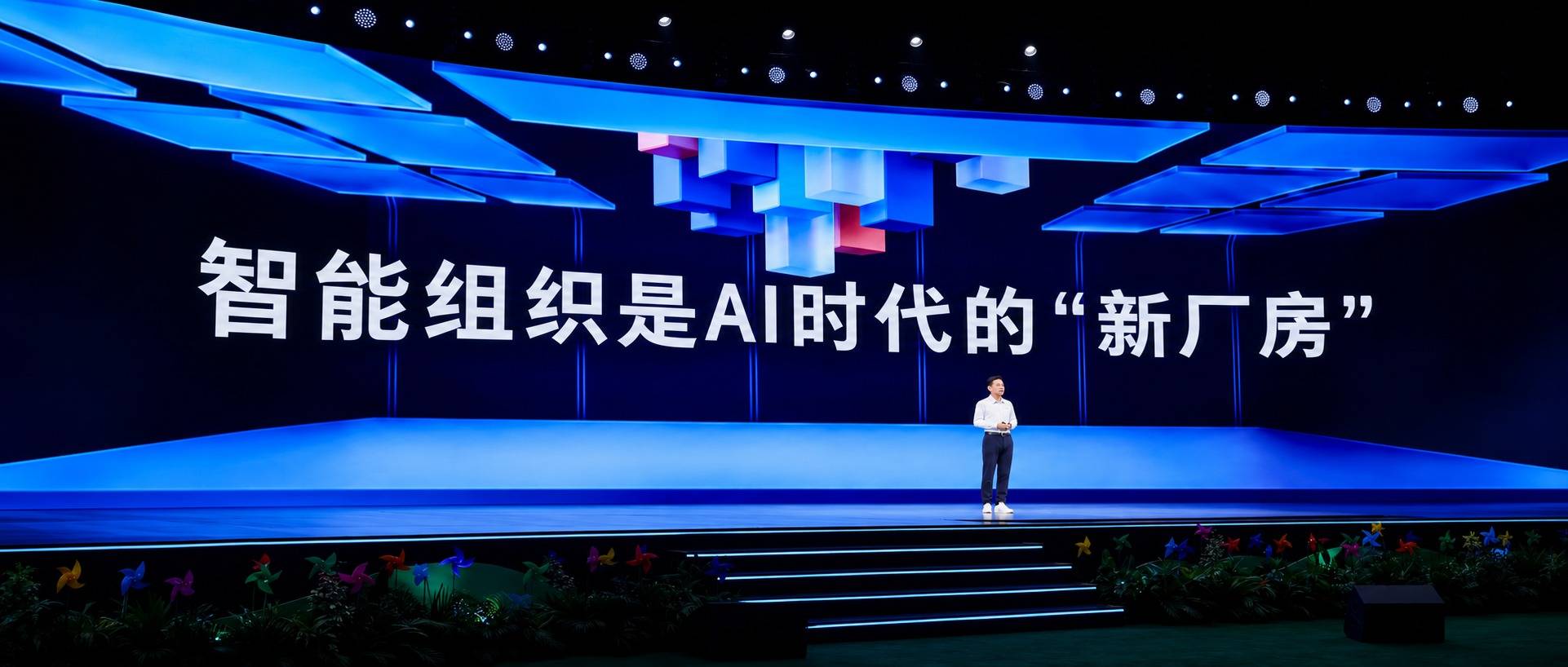
The term ‘smart factory’ in the AI era refers to a reimagined enterprise IT infrastructure that leverages AI for decision-making, automation, and optimization. This transformation is not just about technology; it’s a strategic move to future-proof businesses against market disruptions.
Technical Analysis & Competitive Landscape
The shift towards smart factories involves integrating AI into various aspects of enterprise IT. Key components include cloud-native architectures, edge computing, and machine learning models that can process vast amounts of data in real-time. Companies like AWS, Google Cloud, and Microsoft Azure are leading the charge with specialized services tailored for AI workloads.
From a technical standpoint, these smart factories require robust infrastructure capable of handling high-throughput data processing and low-latency responses. This involves deploying scalable cloud resources, optimizing network configurations, and ensuring secure data pipelines. The architecture must also support continuous learning and adaptation to changing business needs.
Key Performance Metrics & Specifications
- Compute & Throughput: Cloud-native architectures enable on-demand scaling of compute resources to handle AI workloads efficiently. Latency is minimized through edge computing, reducing the distance data travels between devices and servers.
- Scalability & Deployment: Multi-cloud strategies allow companies to deploy smart factories across various regions, ensuring high availability and resilience. This approach also reduces dependency on a single cloud provider.
- Security & Maintenance: Zero-trust architectures are essential for protecting sensitive data. Regular maintenance and updates ensure that the infrastructure remains secure against evolving threats.
Industry & Strategic Implications
The shift towards smart factories has significant implications for enterprise IT, cloud services, and AI infrastructure providers. It drives demand for more efficient and scalable solutions, impacting TCO and operational efficiency. Companies that fail to adapt risk falling behind competitors.
This transformation also affects consumers by improving the quality of products and services through smarter decision-making processes. Investors should consider the strategic implications of this shift when evaluating potential investments in technology companies.
“The smart factory is not just about technology; it’s a holistic approach to business strategy that leverages AI for competitive advantage.”
Final Outlook
The future of enterprise IT lies in smart factories. Over the next 12-24 months, we can expect further advancements in AI infrastructure, with more companies adopting multi-cloud strategies and edge computing solutions. The strategic implications extend beyond technology to include organizational culture and operational processes.



