
⚡ Executive Summary
- Core News: ASUS introduces the ProArt GR1X mini PC with NVIDIA’s RTX Spark for AI and HPC.
- Key Metric/Data: Up to 1 PetaFlop of AI performance in 64 GB and 128 GB configurations.
- Strategic Impact: This advancement positions ASUS as a leader in high-performance computing for AI workloads, targeting enterprise and consumer markets.
Developing News & Core Details
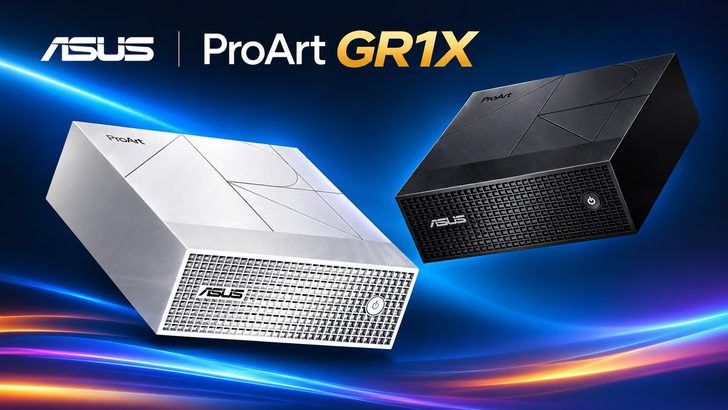
The ProArt GR1X is a significant milestone in the evolution of mini PCs, designed specifically to meet the demands of advanced AI applications. Powered by NVIDIA’s RTX Spark, this compact device delivers up to 1 PetaFlop of AI performance across its two configurations: 64 GB and 128 GB of memory.
ASUS has strategically positioned the ProArt GR1X in retail channels, targeting professionals who require high-performance computing for tasks such as large language model (LLM) training and inference. The inclusion of up to 128 GB of memory is particularly noteworthy, as it allows users to run complex AI workloads locally without the need for cloud-based resources.
Technical Analysis & Competitive Landscape
The ProArt GR1X’s architecture leverages NVIDIA’s N1X System-on-Chip (SoC), which integrates the latest GPU technology with high-speed memory and advanced cooling solutions. This integration ensures that the device can handle demanding AI tasks efficiently, minimizing latency and maximizing throughput.
Compared to legacy mini PCs, the ProArt GR1X represents a significant leap in performance capabilities. Legacy systems often struggle with the computational demands of modern AI applications, necessitating cloud-based resources or more expensive desktop solutions. The ProArt GR1X addresses this gap by providing local processing power that can rival larger systems.
In terms of competition, multiple vendors are releasing RTX Spark-powered mini PCs, but ASUS’s strategic positioning and focus on enterprise-grade features set the ProArt GR1X apart. This includes robust security features, advanced cooling solutions, and a modular design that allows for easy upgrades.
Industry & Strategic Implications
The introduction of the ProArt GR1X has broader implications for the industry, particularly in terms of cost-effectiveness and accessibility of high-performance computing. By offering local AI processing capabilities, ASUS is reducing reliance on cloud services, which can be costly and have latency issues.
For enterprises, this shift towards local AI processing could lead to significant savings in TCO (Total Cost of Ownership). The ability to run complex models locally also enhances data privacy and security, as sensitive information does not need to be transmitted over the internet. For consumers, the ProArt GR1X provides a powerful yet affordable option for enthusiasts and professionals who require high-performance computing.
“The ProArt GR1X is not just a product; it’s a strategic move by ASUS to solidify its position as a leader in AI hardware.”
Final Outlook
Looking ahead, the ProArt GR1X will likely drive further innovation in mini PC design and performance. As AI workloads continue to grow in complexity, devices like the ProArt GR1X will become increasingly important for both enterprise and consumer markets.
The next 12-24 months will see a focus on improving the integration of hardware and software, as well as expanding the range of supported applications. ASUS’s commitment to innovation in this space positions it well to capitalize on future trends in high-performance computing.



