
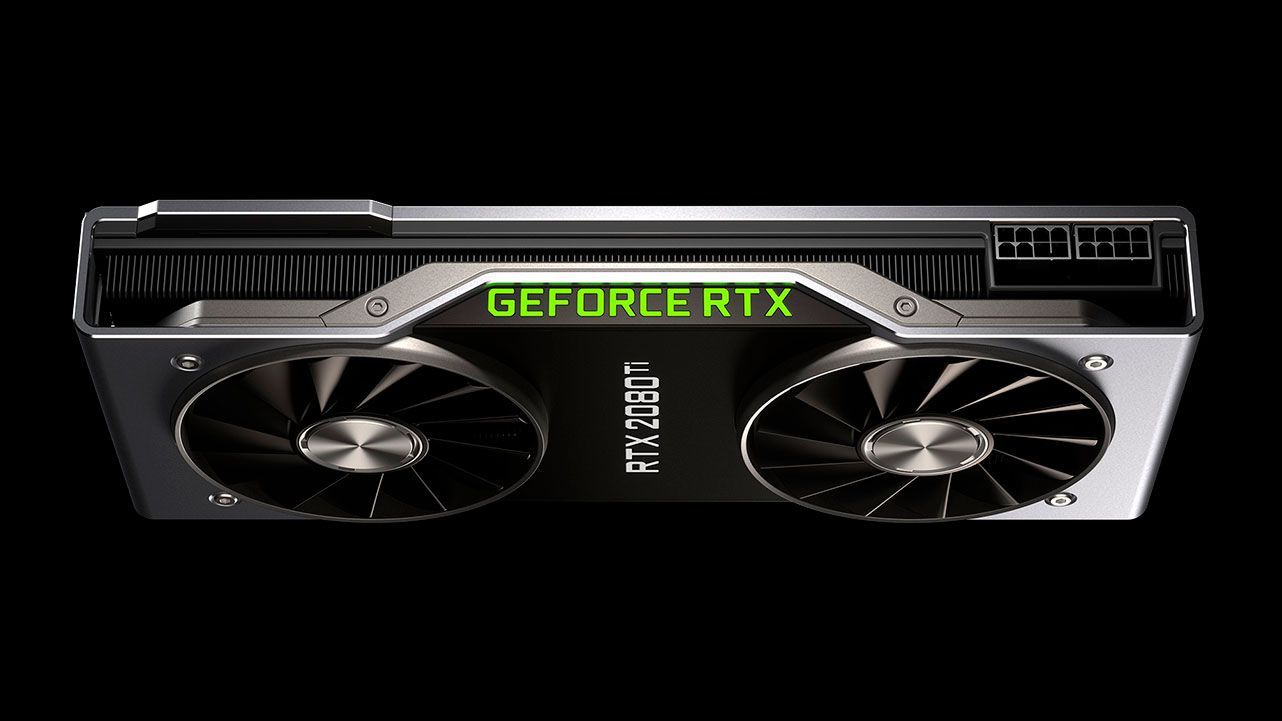
⚡ Executive Summary
- Core News: NVIDIA GeForce drivers versions 621.14 and 621.24 are reportedly causing a continuous rewrite of log files, resulting in up to 30GB of writes per hour to SSDs.
- Key Metric/Data: The bug results in significant write activity, potentially leading to data integrity issues and increased TCO for enterprises.
- Strategic Impact: This issue underscores the importance of rigorous testing in GPU driver releases and highlights potential risks for businesses relying on NVIDIA hardware.
Developing News & Core Details
NVIDIA, a leader in GPU technology, has recently faced scrutiny over its GeForce drivers. Versions 621.14 and 621.24 have been identified as problematic, causing an unintended behavior where log files are rewritten continuously. This results in substantial write activity to SSDs, with reports indicating up to 30GB of writes per hour. The issue has sparked concern among IT professionals and enterprise decision-makers, particularly those managing large-scale data centers or cloud environments.
The bug appears to be related to how the driver handles certain log files, which are intended for monitoring GPU performance and health. However, in these affected driver versions, the logging mechanism is malfunctioning, leading to an uncontrolled write cycle that can severely impact SSD longevity and overall system performance.
Technical Analysis & Competitive Landscape
The NVIDIA GeForce drivers are critical components of any modern GPU-based computing environment. These drivers manage communication between the hardware and software, ensuring optimal performance for applications ranging from gaming to professional AI workloads. The current bug introduces a significant operational risk, as it can lead to accelerated SSD wear-out.
From a technical standpoint, the issue is rooted in how the driver manages its internal logging mechanisms. In versions 621.14 and 621.24, there appears to be an error in the file handling logic that causes the log files to be rewritten repeatedly. This behavior contradicts standard best practices for SSD management, where writes should be minimized to extend drive lifespan.
The competitive landscape is also affected by this issue. NVIDIA’s primary competitors, such as AMD and Intel, have robust testing protocols in place to prevent similar bugs from reaching production. This incident highlights the need for heightened scrutiny of driver releases across all GPU manufacturers.
Key Performance Metrics & Specifications
- Compute & Throughput: The bug does not impact compute performance directly but introduces a significant throughput issue related to SSD write activity. This can lead to increased latency and reduced overall system efficiency.
- Scalability & Deployment: For enterprises deploying large-scale GPU infrastructure, this issue poses a major scalability bottleneck. It requires additional resources for data management and could necessitate more frequent hardware replacements due to accelerated SSD wear-out.
- Security & Maintenance: The bug does not introduce any direct security risks but highlights the importance of maintaining rigorous testing protocols in software development cycles. Enterprises must ensure they are using up-to-date drivers and have robust backup and recovery plans in place.
Industry & Strategic Implications
The broader impact of this issue extends beyond individual users to affect the entire enterprise IT ecosystem. For businesses relying on NVIDIA hardware for critical applications, this bug can lead to increased Total Cost of Ownership (TCO) due to higher maintenance and replacement costs. Additionally, it raises concerns about data integrity and potential downtime.
For consumers, this issue underscores the importance of staying informed about software updates and ensuring that their systems are running the latest stable drivers. The incident also prompts a broader discussion on the need for more transparent reporting mechanisms from hardware manufacturers regarding known issues and bug fixes.
"This bug is not just an isolated incident but a reminder of the critical importance of rigorous testing in software development, especially when dealing with complex systems like GPUs."
Final Outlook
The future outlook for NVIDIA and other GPU manufacturers will involve increased emphasis on quality assurance and continuous improvement. Enterprises should consider this issue as a wake-up call to review their hardware and driver management strategies. Future developments may see more stringent testing protocols and potentially new features aimed at mitigating such risks.



