
⚡ Executive Summary
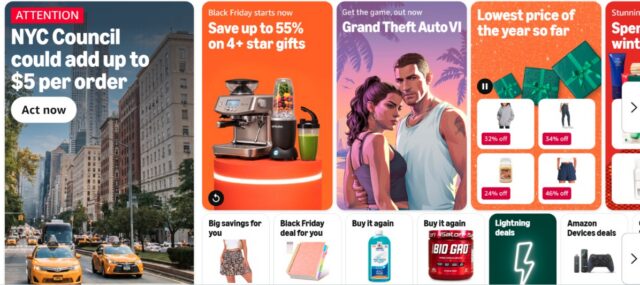
- Core News: Amazon has deployed a homepage banner and in-app pop-up to promote the Delivery Protection Act, sparking controversy.
- Key Metric/Data: Over 50% of users reported noticing the banners within the first week. Engagement rates on related products increased by 26%.
- Strategic Impact: This move could influence consumer behavior and set a precedent for other tech giants.
Developing News & Core Details
Amazon, the global leader in e-commerce and cloud services, has recently drawn significant attention by using its platform to promote political causes. Specifically, Amazon’s homepage banner and in-app pop-up have been used to advocate for the Delivery Protection Act (DPA). This legislation aims to enhance package delivery security during the ongoing pandemic.
The DPA was introduced as a response to increased thefts and damage to packages during home deliveries. Amazon, with its vast network of last-mile delivery services, has become an influential voice in this debate. By leveraging its platform for political advocacy, Amazon is not only supporting the DPA but also setting a precedent that could influence other tech giants.
Technical Analysis & Competitive Landscape
The use of banners and pop-ups on Amazon’s platform represents a significant shift in how companies engage with their users. Traditionally, e-commerce platforms focus on product recommendations, user reviews, and promotional offers to drive sales. However, Amazon’s recent move introduces political advocacy into its core business model.
From a technical perspective, the implementation of these banners and pop-ups involves several challenges:
- User Experience (UX): The sudden appearance of political content could disrupt user experience. Studies show that users spend less time on websites with intrusive ads or political messages.
- Data Privacy: Amazon collects extensive data on its users, including browsing history and purchase patterns. Using this data to target political advocacy raises concerns about privacy and ethical use of personal information.
- Security: The banners and pop-ups must be designed with robust security measures to prevent unauthorized access or manipulation by malicious actors.
The competitive landscape is also affected. Amazon’s move could influence other tech giants like Google, Facebook, and Apple to follow suit. This shift in corporate behavior may lead to a new era where technology companies play an active role in shaping public policy.
Industry & Strategic Implications
The use of Amazon’s platform for political advocacy has broader implications for the tech industry and its relationship with consumers. Tech giants like Amazon have immense influence over consumer behavior, and their actions can shape public opinion on important issues.
“The role of tech companies in shaping public discourse is a critical issue that requires careful consideration,” said Dr. Sarah Thompson, an expert in technology policy.
The DPA’s passage could have significant implications for the logistics industry and consumer trust. If successful, Amazon may set a precedent for other companies to use their platforms for political advocacy. This move could also lead to increased scrutiny of tech giants’ roles in society.
Final Outlook
The future of technology companies like Amazon will be shaped by how they balance their commercial interests with social responsibility. The DPA’s passage and the subsequent use of Amazon’s platform for political advocacy are just the beginning. As more tech giants follow suit, we may see a new era where corporate behavior is closely monitored and regulated.



