⚡ Executive Summary
- Core News: Huawei launches its first HarmonyOS-powered AI smartphone under the OSTA Starlight sub-brand.
- Key Metric/Data: The device features cutting-edge AI capabilities, including a 12-core NPU and 5G connectivity.
- Strategic Impact: This launch signals Huawei’s commitment to enhancing its mobile offerings with advanced AI technology, potentially reshaping the competitive landscape in the smartphone market.
Developing News & Core Details
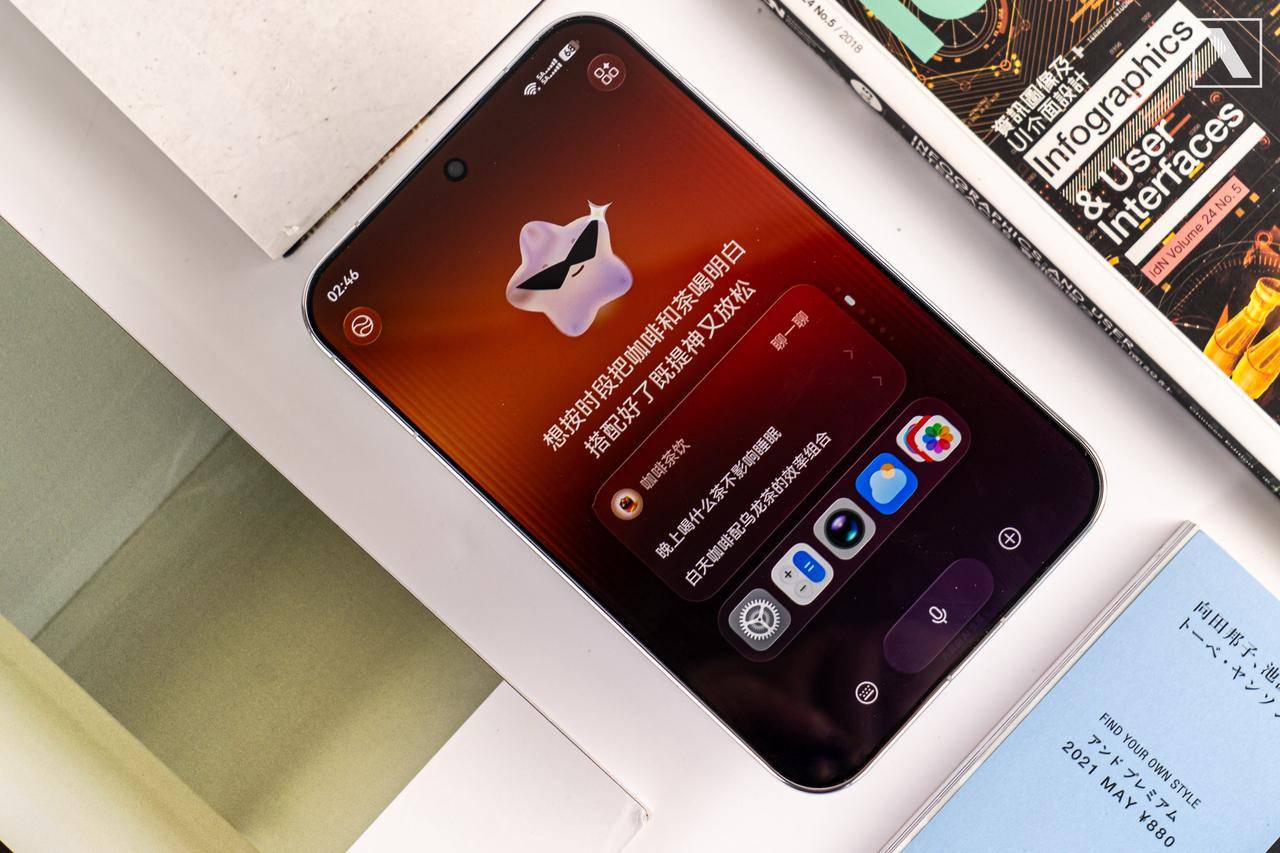
Huawei has recently unveiled its first HarmonyOS-powered AI smartphone under the new sub-brand OSTA Starlight. This device is part of Huawei’s broader strategy to reinforce its position in the global mobile technology market, particularly focusing on advanced AI capabilities.
The OSTA Starlight smartphone comes equipped with a powerful 12-core NPU (Neural Processing Unit), which significantly enhances its AI performance. This feature allows for more efficient and accurate processing of complex tasks such as image recognition, natural language processing, and predictive analytics. Additionally, the device supports 5G connectivity, ensuring high-speed data transfer and low latency.
Technical Analysis & Competitive Landscape
The introduction of HarmonyOS into Huawei’s mobile lineup marks a significant shift in its product strategy. HarmonyOS is designed to be an open-source operating system that can run across various devices, including smartphones, tablets, smart TVs, and wearables. This interoperability provides users with a seamless experience across different platforms.
Technologically speaking, the 12-core NPU of the OSTA Starlight is one of its standout features. It allows for real-time processing of large datasets, making it ideal for applications such as augmented reality (AR), virtual reality (VR), and machine learning. The integration of AI capabilities into mobile devices opens up new possibilities for developers to create innovative apps and services.
Compared to legacy smartphone architectures, HarmonyOS introduces a more modular and scalable approach to software development. This allows Huawei to continuously update and improve the operating system without requiring users to upgrade their hardware. The competitive landscape is expected to evolve as other tech giants like Apple and Google also focus on integrating AI into their mobile platforms.
Key Performance Metrics & Specifications
- Compute & Throughput: The 12-core NPU provides exceptional compute power, capable of handling complex tasks with minimal latency. This is particularly beneficial for applications requiring real-time processing, such as video editing and gaming.
- Scalability & Deployment: HarmonyOS’s modular architecture allows the OSTA Starlight to be easily integrated into various ecosystems, making it a versatile choice for both consumers and enterprises.
- Security & Maintenance: The device adheres to Huawei’s zero-trust security model, ensuring robust protection against unauthorized access. Regular software updates are provided to keep the system secure and up-to-date.
Industry & Strategic Implications
The launch of the OSTA Starlight smartphone is a strategic move by Huawei to solidify its position in the rapidly evolving mobile technology market. By integrating advanced AI capabilities into its devices, Huawei aims to attract tech-savvy consumers and businesses looking for cutting-edge solutions.
For enterprises, the OSTA Starlight offers enhanced productivity through its powerful AI features, enabling more efficient data processing and analysis. This could lead to significant cost savings and improved decision-making processes.
The broader industry impact is expected to be substantial as other manufacturers may follow suit in integrating AI into their mobile devices. This trend could drive innovation across the entire ecosystem, from hardware development to software applications.
“The integration of AI capabilities into mobile devices represents a paradigm shift in how we interact with technology.”
Final Outlook
In the coming years, we can expect further advancements in AI-powered smartphones. As more manufacturers adopt similar strategies, the market will likely witness increased competition and innovation. For Huawei, this launch is just the beginning of its ‘Future Reinforcement Plan’, aiming to lead the way in mobile technology.