
⚡ Executive Summary
- Core News: Lenovo has launched the Pro 9n, positioning it as a lighter, more port-dense alternative to Microsoft’s Surface Laptop Ultra, featuring an 18-core RTX Spark processor and a high-fidelity OLED display.
- Key Metric/Data: The device offers significant I/O connectivity (including Thunderbolt 4) and a premium chassis design, though it shares the industry-wide challenge of reduced battery life inherent to high-performance OLED panels in thin form factors.
- Strategic Impact: This release signals Lenovo’s aggressive push into the ultra-premium enterprise laptop segment, directly challenging Microsoft’s dominance by offering superior portability and connectivity without sacrificing raw computational power.
Developing News & Core Details
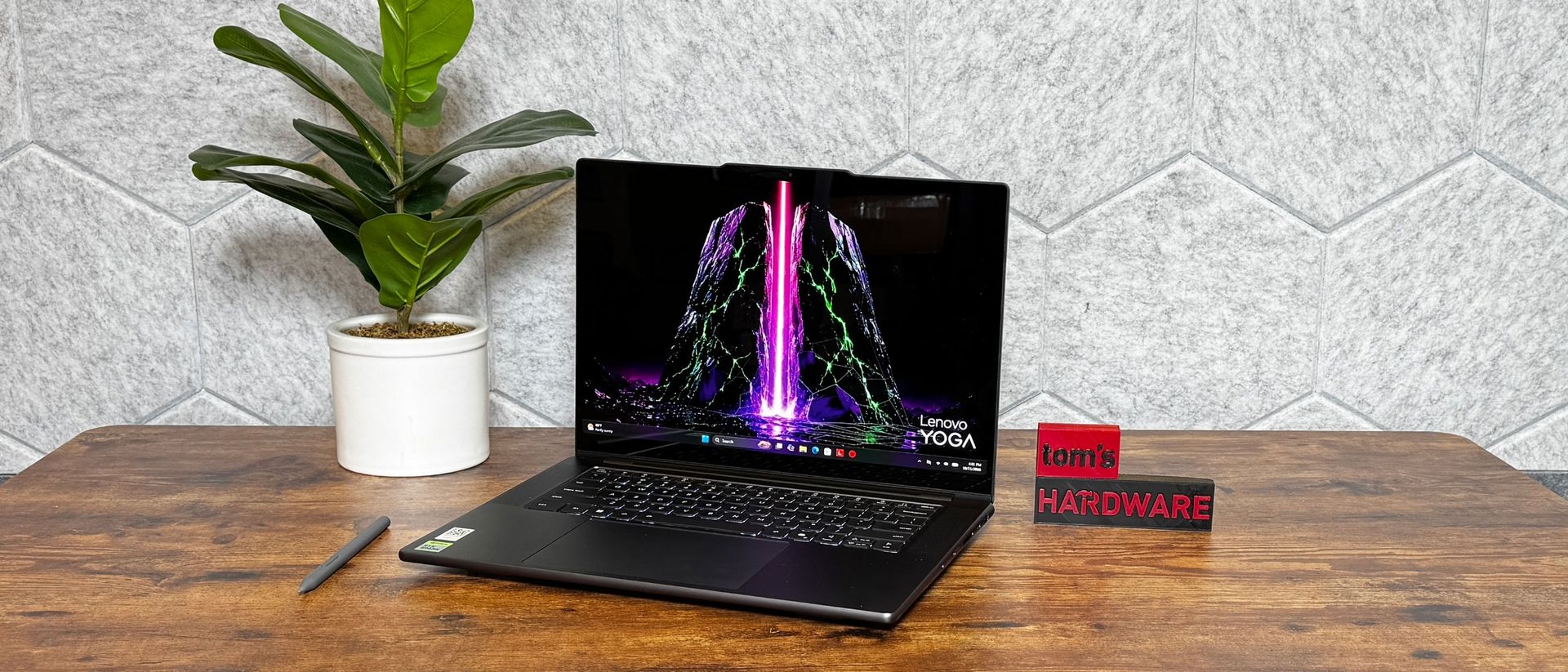
In a rapidly evolving hardware landscape where “thin-and-light” no longer implies compromise, Lenovo has introduced the Pro 9n as a formidable contender in the high-end enterprise laptop market. This device is explicitly positioned as a lighter alternative to Microsoft’s Surface Laptop Ultra, targeting professionals who demand portability without sacrificing connectivity or raw processing capability. The core of this innovation lies in its integration of an 18-core RTX Spark processor—a significant leap in multi-threaded performance designed for modern enterprise workloads ranging from data analytics to AI-assisted content creation.
Visually and functionally, the Pro 9n distinguishes itself through a vivid OLED panel. Unlike traditional IPS displays that offer good but limited contrast, this OLED implementation delivers deep blacks and vibrant color accuracy, essential for creative professionals and those working with complex data visualizations. Furthermore, Lenovo has addressed one of the perennial pain points in ultrabook design: port density. The Pro 9n includes a comprehensive array of ports, ensuring users are not tethered to dongles or hubs as frequently as they might be with competitors like the Surface Laptop Ultra.
However, the device is not without its trade-offs. As noted in initial assessments, it shares similar weaknesses regarding battery life. This is a common challenge in high-performance OLED devices where power consumption for the display and CPU can outpace the capacity of compact batteries, especially under sustained load. Despite this, the Pro 9n represents a strategic pivot by Lenovo to capture market share in the premium segment with a product that balances form factor, performance, and usability more effectively than its predecessors.
Technical Analysis & Competitive Landscape
The introduction of the 18-core RTX Spark architecture marks a significant shift in how enterprise laptops are engineered for productivity. Historically, ultrabooks have relied on quad-core or hexa-core processors to maintain thermal efficiency and battery longevity. The jump to an 18-core configuration suggests that modern workloads—particularly those involving parallel processing tasks like video rendering, large-scale data sets, or local AI model inference—are demanding more cores than ever before.
From a competitive standpoint, the Pro 9n enters a crowded field dominated by Apple’s MacBook Pro line and Microsoft’s Surface ecosystem. While Apple has long held the crown for seamless integration of hardware and software, Lenovo’s Pro 9n offers a compelling alternative with its Windows-based ecosystem, which provides greater flexibility in software deployment and compatibility with legacy enterprise applications. The inclusion of an OLED display further narrows the gap with premium competitors, as Microsoft recently introduced similar displays in their Surface lineup.
The “RTX Spark” designation implies a focus on graphics acceleration, likely leveraging NVIDIA’s latest architecture for tasks beyond gaming, such as real-time rendering and AI-accelerated workflows. This is particularly relevant for industries like engineering, architecture, and media production, where GPU performance is as critical as CPU speed. The 18-core configuration ensures that these applications can run smoothly even under heavy multitasking conditions.
Connectivity-wise, the Pro 9n’s emphasis on “lots of ports” sets it apart from the increasingly minimalist design trends seen in recent years. Many competitors have reduced port counts to save space and weight, forcing users to rely on USB-C hubs or dongles. The Pro 9n’s robust I/O suite—including Thunderbolt 4—ensures that professionals can connect multiple high-bandwidth devices without cluttering their desk setup.
Industry & Strategic Implications
The launch of the Lenovo Pro 9n has broader implications for the enterprise IT sector. As organizations continue to adopt hybrid work models, the demand for laptops that offer both portability and robust performance has never been higher. The Pro 9n’s ability to deliver an 18-core experience in a lighter chassis suggests that the industry is moving towards a new standard where high-performance computing does not require a bulky form factor.
For investors and analysts, this release highlights Lenovo’s strategic focus on innovation and differentiation in a saturated market. By integrating advanced display technology and powerful processors into a portable design, Lenovo is signaling its intent to challenge Microsoft’s dominance in the premium laptop segment. This could lead to increased competition, potentially driving down prices or spurring further innovations in battery efficiency and thermal management.
For consumers and enterprise buyers, the Pro 9n offers a compelling alternative to the Surface Laptop Ultra, particularly for those who prioritize port density and display quality. However, the shared weakness of battery life serves as a reminder that pushing hardware limits often comes at a cost. Future iterations may need to focus on improving power efficiency to match the performance gains offered by the 18-core architecture.
“The Lenovo Pro 9n represents a pivotal moment in enterprise laptop design, proving that high-performance computing and portability can coexist with advanced display technology and robust connectivity. While battery life remains a challenge, its strategic positioning against Microsoft’s Surface Laptop Ultra signals a new era of competition in the premium segment.”
Final Outlook
Looking ahead, the success of the Lenovo Pro 9n will depend on how well it addresses its battery life limitations and maintains its performance edge as software demands continue to grow. If Lenovo can refine power management without sacrificing core speed, the Pro 9n could become a staple in enterprise fleets worldwide.
In the broader context of the tech industry, this release underscores the ongoing trend towards more powerful, versatile, and portable devices. As AI and cloud computing reshape how we work, laptops like the Pro 9n will play a crucial role in enabling professionals to stay productive on the go. For now, the Pro 9n stands as a strong contender in the ultra-premium laptop market, offering a compelling blend of performance, design, and connectivity that rivals its closest competitors.



