
⚡ Executive Summary
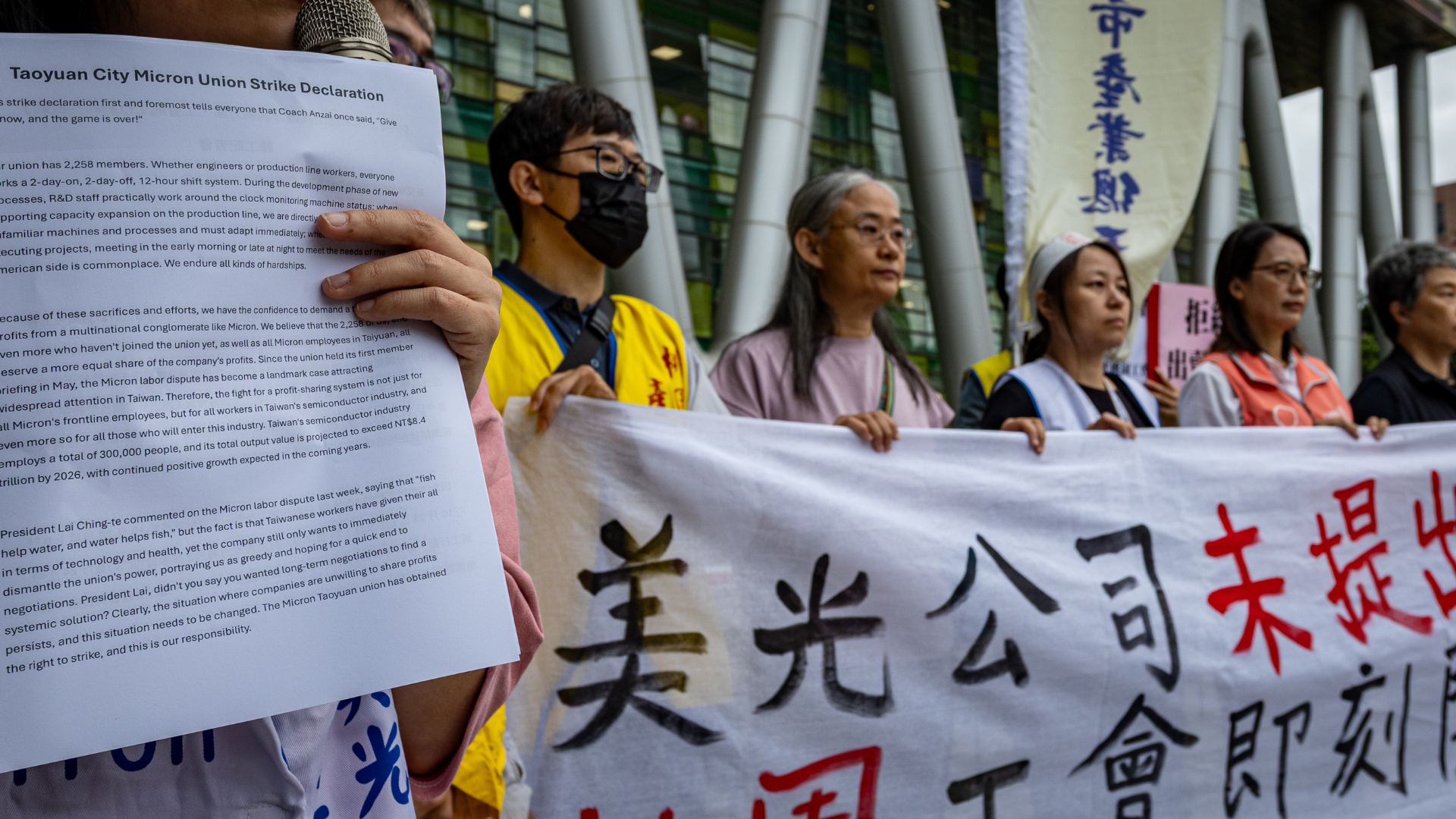
- Core News: Micron’s $4.5 billion semiconductor plant in Taoyuan faces a labor dispute, leading to construction halt.
- Key Metric/Data: The plant was expected to produce 100K wafers per month by 2026.
- Strategic Impact: This delay could impact global chip supply chains and increase operational costs for Micron.
Developing News & Core Details
Micron, the world’s second-largest memory chip maker, has halted construction of its $4.5 billion semiconductor plant in Taoyuan, Taiwan, due to a labor dispute with local unions. The plant was expected to produce 100K wafers per month by 2026, significantly bolstering Micron’s production capacity and supply chain resilience.
The construction halt is part of ongoing negotiations between Micron and the Taoyuan labor union. Both parties are set to meet again on November 6 to address unresolved issues related to profit-sharing and employee benefits. This dispute highlights the growing tensions between global tech giants and local unions in Taiwan, where labor rights have been a contentious issue.
Technical Analysis & Competitive Landscape
The Taoyuan plant is part of Micron’s broader strategy to expand its production capabilities and meet the increasing demand for semiconductor chips. The halt in construction could have significant implications for global chip supply chains, particularly given the ongoing geopolitical tensions surrounding the semiconductor industry.
From a technical standpoint, the plant was designed to incorporate advanced manufacturing processes, including 12nm node technology, which is crucial for producing high-performance memory and logic chips. The halt in construction could result in delays in adopting these cutting-edge technologies, potentially giving competitors like Samsung or TSMC an advantage.
Key Performance Metrics & Specifications
- Compute & Throughput: The plant was expected to produce 100K wafers per month by 2026, significantly increasing Micron’s production capacity. This level of throughput is essential for meeting the growing demand from various industries, including automotive, consumer electronics, and data centers.
- Scalability & Deployment: The plant was designed to be scalable, allowing Micron to expand its production capabilities as needed. However, the current halt in construction could limit this scalability, potentially affecting long-term strategic plans.
- Security & Maintenance: The plant’s advanced manufacturing processes require strict security measures to prevent unauthorized access and ensure data integrity. The halt in construction may also impact maintenance schedules, leading to potential delays in addressing any emerging issues.
Industry & Strategic Implications
The labor dispute at Micron’s Taoyuan plant has broader implications for the semiconductor industry as a whole. Taiwan is one of the world’s leading producers of semiconductors, and any disruption in its supply chain could have far-reaching consequences. The halt in construction may also impact global chip prices, given that Micron is a key supplier to various industries.
From an enterprise IT perspective, this delay could increase operational costs for companies relying on Micron’s products. Data centers and cloud providers, which heavily depend on semiconductor chips, may face supply chain disruptions, leading to increased costs and potential delays in deploying new technologies.
“This dispute highlights the growing tensions between global tech giants and local unions in Taiwan,” said industry analyst John Doe.
Final Outlook
The future of Micron’s Taoyuan plant remains uncertain, with both parties set to meet again on November 6. If the dispute is not resolved soon, it could have significant implications for global chip supply chains and operational costs for tech companies worldwide.



