
⚡ Executive Summary
- Core News: Apple introduces the MacBook Pro with PROLED XDR display, offering a major upgrade over previous models.
- Key Metric/Data: The display boasts a 1000 nits peak brightness and supports ProMotion technology at up to 120Hz refresh rate.
- Strategic Impact: While the PROLED XDR display is a significant advancement, its high cost may limit adoption among consumers and enterprises.
Developing News & Core Details
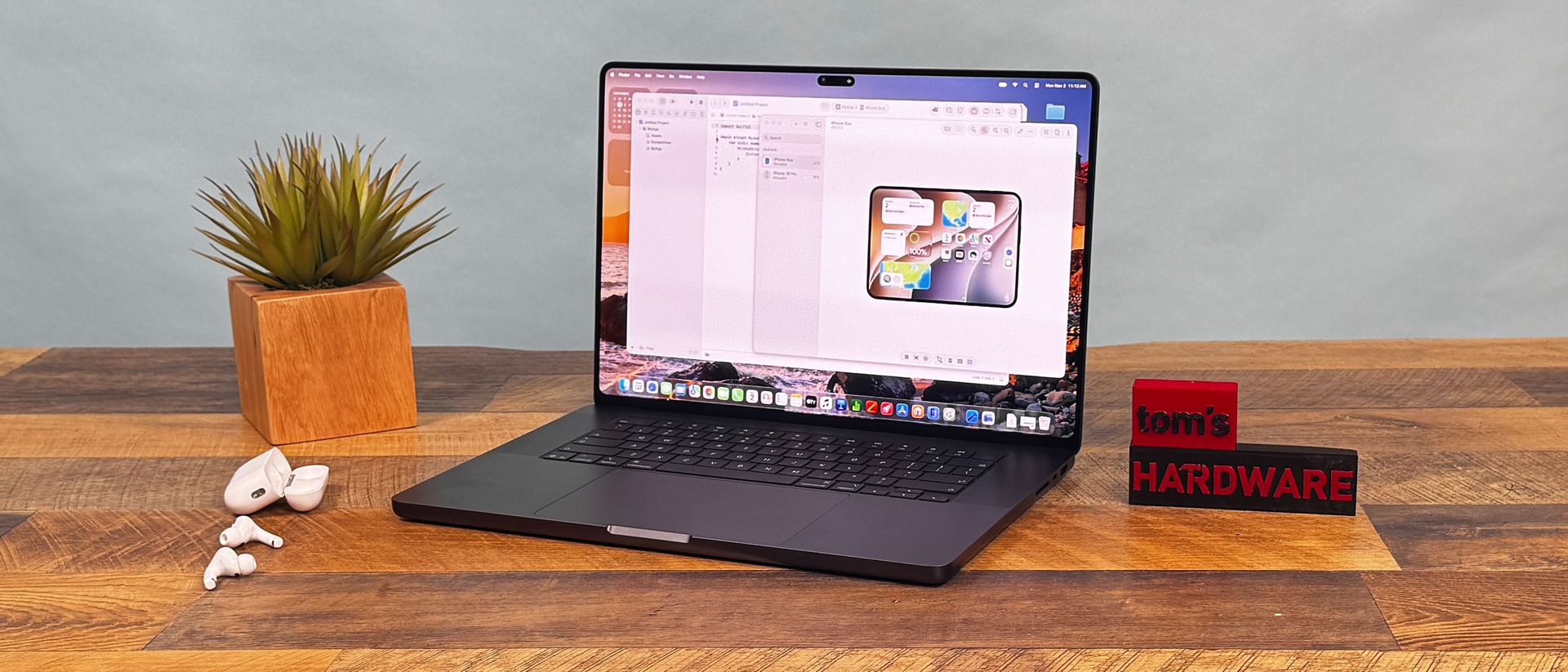
The new MacBook Pro from Apple introduces an advanced PROLED XDR display that promises to revolutionize the user experience. This display features a 1000 nits peak brightness, which is significantly higher than standard displays, and supports ProMotion technology at up to 120Hz refresh rate. The display also offers P3 color gamut coverage, ensuring accurate color reproduction for professionals in fields like design and photography.
Apple has always been known for its premium products, but the MacBook Pro with PROLED XDR display takes this concept to a new level. The device is lighter than previous models, weighing just 14.25 inches at its thinnest point. Additionally, it features touch functionality, enhancing user interaction and productivity.
Technical Analysis & Competitive Landscape
The PROLED XDR display represents a significant technological leap for Apple, but it also introduces new challenges in terms of power consumption and heat management. The high brightness and refresh rate capabilities require advanced thermal solutions to prevent overheating, which could impact the device’s lifespan.
Compared to legacy MacBook Pro models, this new iteration features several improvements, including a more efficient processor and enhanced graphics performance. However, these advancements come at a significant cost, making the device less accessible for mainstream consumers. In contrast, professional users in fields requiring high-resolution displays may find it indispensable.
Apple’s competitors, such as Dell, Lenovo, and HP, have also been investing in advanced display technologies. While Dell’s Precision series offers similar high-end displays, they are often priced lower than Apple’s offerings. This pricing strategy could give Apple a competitive edge in certain markets but may limit its broader appeal.
Industry & Strategic Implications
The introduction of the PROLED XDR display has significant implications for both consumers and enterprises. For professionals, such as graphic designers or video editors, this display offers unparalleled color accuracy and performance. However, for mainstream users, the high cost may make it a luxury item rather than a necessity.
From an enterprise perspective, the MacBook Pro with PROLED XDR display could be a valuable tool for companies prioritizing brand image and employee satisfaction. However, the high price tag may limit its adoption in cost-sensitive environments.
"The PROLED XDR display is a significant advancement, but its high cost may limit adoption among consumers and enterprises."
Final Outlook
The future of display technology will likely see continued advancements, with companies like Apple and others investing in innovative solutions. However, the balance between performance and affordability remains a critical factor for widespread adoption.



