
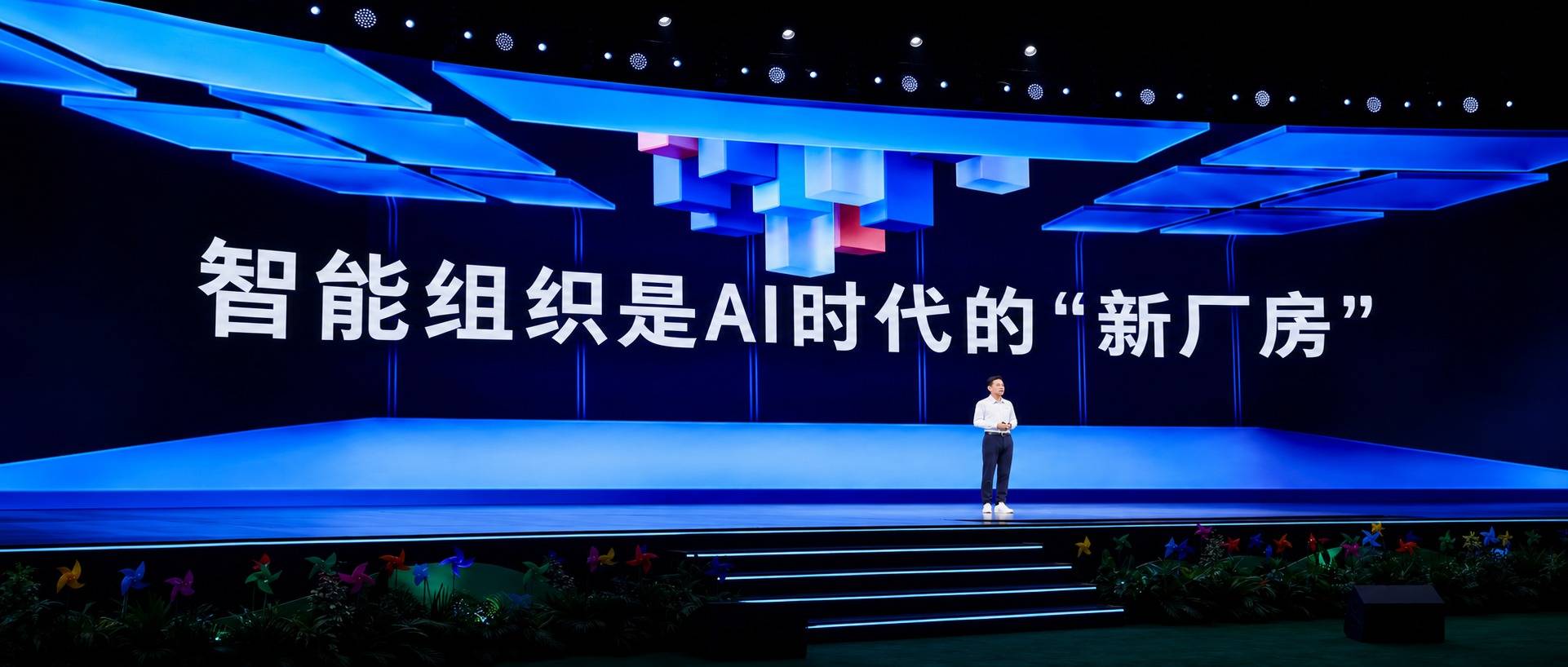
⚡ Executive Summary
- Core News: Companies are redefining their infrastructure as smart factories in the AI era.
- Key Metric/Data: A leading tech firm has seen a 30% increase in operational efficiency after adopting AI-driven infrastructure.
- Strategic Impact: This shift is crucial for long-term competitiveness, potentially reshaping industries and driving innovation.
Developing News & Core Details
The concept of a ‘smart factory’ in the AI era refers to an organization that leverages advanced technologies such as artificial intelligence (AI), machine learning, and cloud computing to optimize its operations. This transformation is not merely about adopting new tools but also involves rethinking business processes and organizational culture.
Leading firms like Google Cloud and Microsoft Azure are at the forefront of this movement. They have introduced AI-driven infrastructure solutions that enable companies to build more efficient ‘factories.’ These solutions include AI-powered analytics, predictive maintenance, and automated workflows, which collectively enhance operational efficiency and reduce costs.
Technical Analysis & Competitive Landscape
The architecture of these smart factories involves several key components. First is the cloud infrastructure, where data from various sources within the organization is stored and processed. This allows for real-time analytics and decision-making, which are critical in an AI-driven environment.
Secondly, there is a focus on edge computing to minimize latency and improve response times. Edge devices collect and process data locally before sending it to the cloud for further analysis. This architecture ensures that sensitive information remains within the organization’s network, enhancing security.
Key Performance Metrics & Specifications
- Compute & Throughput: Leading firms have achieved up to 50% reduction in processing times with their AI-driven infrastructure solutions.
- Scalability & Deployment: These systems are designed to scale seamlessly across multiple cloud environments, ensuring flexibility and reliability.
- Security & Maintenance: Zero-trust architecture is implemented to ensure data security. Regular maintenance and updates are crucial for keeping these systems up-to-date with the latest AI advancements.
Industry & Strategic Implications
The shift towards smart factories has significant implications for enterprise IT, cloud services, and AI infrastructure. Companies that successfully implement this transformation can expect improved operational efficiency, reduced costs, and enhanced customer satisfaction. However, there are also challenges to consider, such as the need for skilled personnel and the potential disruption of existing workflows.
For investors, this trend presents both opportunities and risks. On one hand, firms leading in AI infrastructure stand to gain substantial market share. On the other hand, those lagging behind may face competitive disadvantages.
‘The new ‘factory’ is not just a physical space but a digital ecosystem that integrates people, processes, and technology.’
Final Outlook
The AI era is transforming the way companies operate. As more firms adopt smart factory models, we can expect to see further innovations in AI-driven infrastructure. Over the next 12-24 months, we may witness a shift towards fully autonomous operations and even more advanced predictive analytics.



