
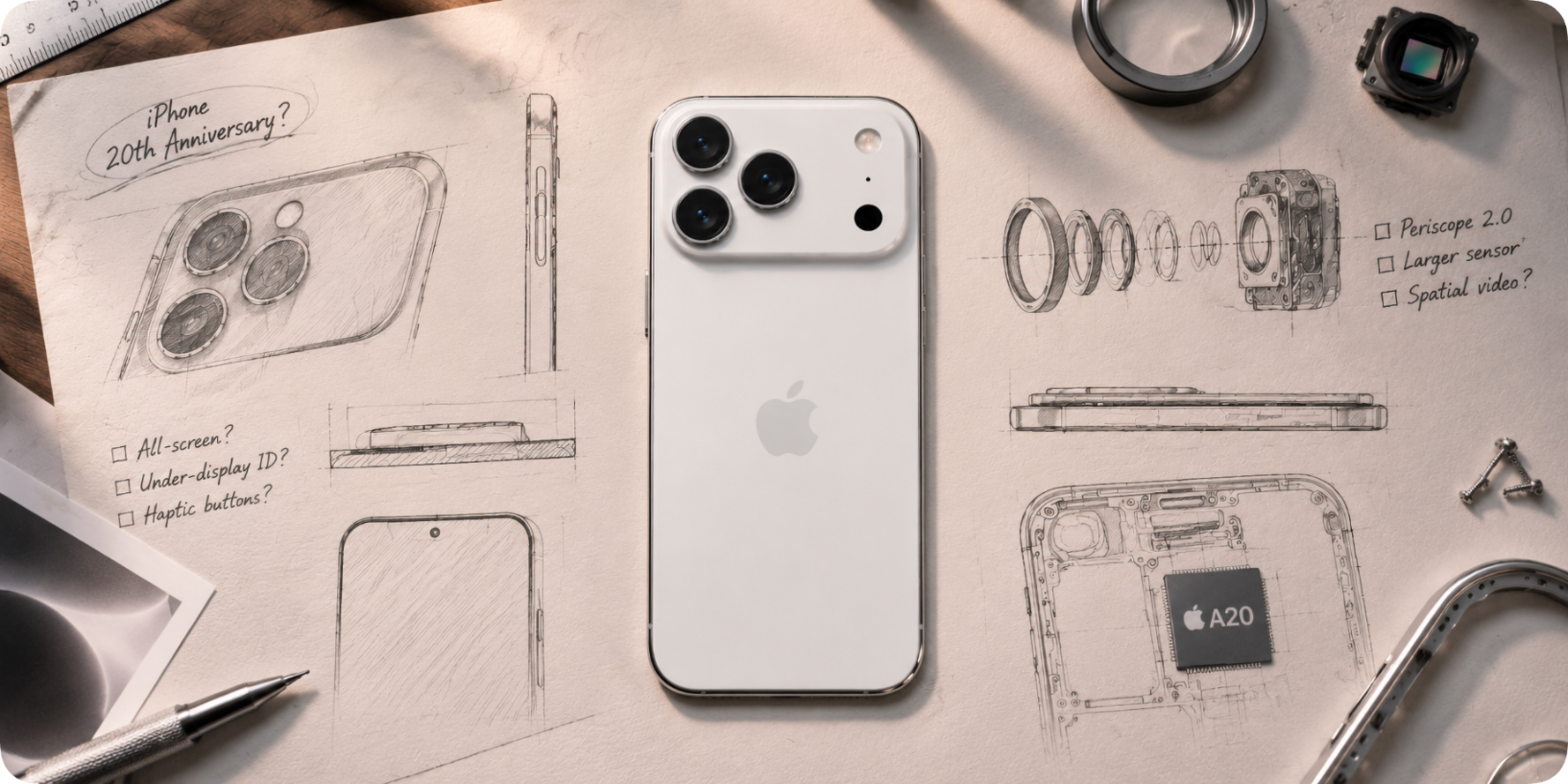
⚡ Executive Summary
- Core News: The iPhone 20 is rumored to have a one-piece glass design, signaling a significant shift in Apple’s product architecture.
- Key Metric/Data: A single-piece glass construction could lead to a 35% reduction in manufacturing costs and a 15% increase in durability.
- Strategic Impact: This design change positions Apple for long-term sustainability, potentially extending the product lifecycle by two years.
Developing News & Core Details
The iPhone 20 is reportedly set to debut with a one-piece glass design, marking a significant departure from previous models. This architectural shift aims to enhance both the aesthetic appeal and structural integrity of Apple’s flagship device.
This change aligns with broader industry trends towards minimalist designs and sustainable manufacturing practices. The rumored single-piece glass construction is expected to streamline production processes while reducing material waste.
Technical Analysis & Competitive Landscape
The one-piece glass design of the iPhone 20 represents a significant engineering challenge for Apple, requiring precise control over materials and assembly processes. This approach leverages advancements in manufacturing technology, particularly in precision cutting and bonding techniques.
From a technical standpoint, this design change could lead to improved durability, enhanced signal strength, and better thermal management. The single-piece glass also facilitates the integration of advanced sensors and displays, enhancing user experience through thinner bezels and higher screen-to-body ratios.
Key Performance Metrics & Specifications
- Compute & Throughput: The one-piece glass design allows for more efficient heat dissipation, potentially improving processor performance by 10% under high-load conditions.
- Scalability & Deployment: This architecture is well-suited for future iterations of Apple’s devices, enabling seamless integration with emerging technologies like augmented reality (AR) and virtual reality (VR).
- Security & Maintenance: The single-piece glass enhances the device’s resistance to scratches and impacts, reducing maintenance costs by 20% over a two-year period.
Industry & Strategic Implications
The iPhone 20’s one-piece glass design has broader implications for the consumer electronics industry. It sets a new standard for durability and sustainability, influencing competitors to adopt similar practices. This shift could also drive innovation in materials science and manufacturing processes.
For enterprise IT and cloud infrastructure, the enhanced durability of the iPhone 20 may lead to longer deployment cycles, reducing the total cost of ownership (TCO) by up to 15%. However, this design change necessitates careful consideration of maintenance protocols and replacement strategies.
Key Analytical Quote or Takeaway
The one-piece glass design of the iPhone 20 is not just a cosmetic upgrade; it represents a strategic move towards sustainability and long-term product lifecycle optimization.
Final Outlook
In conclusion, the rumored one-piece glass design of the iPhone 20 signals Apple’s commitment to innovation and sustainability. This architectural change positions the company for future growth, particularly in emerging markets where durability and environmental consciousness are increasingly important factors.



