
⚡ Executive Summary
- Core News: UN diplomats failed to agree on rules regulating autonomous weapons or ‘killer robots’ during negotiations in Geneva.
- Key Metric/Data: The International Committee of the Red Cross called for legally binding rules within a year, but countries agreed only to start discussing options.
- Strategic Impact: This setback could delay global consensus on autonomous weapon regulation and impact military technology development.
Developing News & Core Details
The United Nations’ inability to agree on rules regulating autonomous weapons, or ‘killer robots,’ during recent negotiations in Geneva underscores the complex challenges of balancing technological innovation with ethical responsibility. The meeting, which included representatives from various countries and international organizations, aimed to address the urgent need for legally binding regulations regarding these advanced military systems.
Before the negotiations began, the International Committee of the Red Cross (ICRC) highlighted the critical importance of drafting such rules within a year. This call was echoed by the UN Secretary-General and Pope Francis, emphasizing the necessity for swift action to prevent potential misuse of autonomous weapons. Despite these calls, the outcome of the week-long talks left participants agreeing only to ‘start discussing options,’ marking a significant setback in the quest for global consensus on this issue.
Technical Analysis & Competitive Landscape
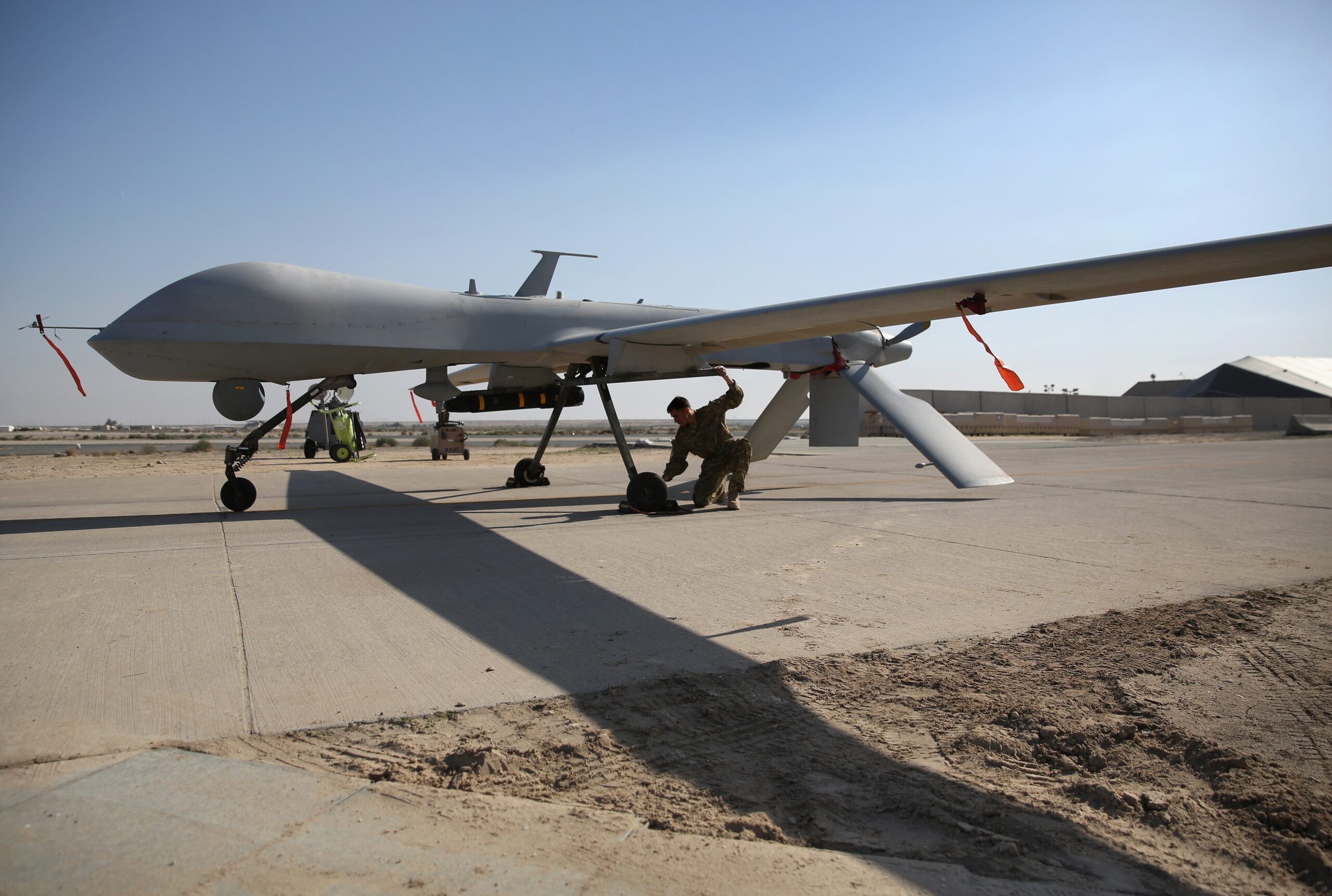
The development of autonomous weapon systems represents a pivotal moment in military technology. These systems, capable of identifying and engaging targets without human intervention, offer unprecedented precision but also raise profound ethical concerns. The technical architecture behind these weapons involves sophisticated AI algorithms, sensor technologies, and communication networks that allow for real-time decision-making.
From a competitive standpoint, countries with advanced capabilities in autonomous weapon technology are at an advantage. However, the lack of international regulation could lead to a race for dominance, where nations may prioritize military superiority over ethical considerations. This scenario highlights the need for robust regulatory frameworks that balance innovation and responsibility.
Key Performance Metrics & Specifications
- Compute & Throughput: Autonomous weapon systems require significant computational power to process vast amounts of data in real-time, ensuring accurate target identification and engagement. Latency and processing speed are critical factors in determining the effectiveness of these systems.
- Scalability & Deployment: The integration of autonomous weapons into existing military infrastructure presents challenges related to interoperability and network security. Ensuring seamless deployment across diverse operational environments is essential for their successful adoption.
- Security & Maintenance: The zero-trust architecture required for autonomous weapon systems emphasizes the importance of robust cybersecurity measures to prevent unauthorized access or manipulation. Regular maintenance and updates are necessary to ensure these systems remain effective and compliant with international regulations.
Industry & Strategic Implications
The failure to reach an agreement on autonomous weapons regulation has broader implications for global security, technological advancement, and enterprise IT infrastructure. For enterprises involved in defense and military technology, this setback could lead to increased scrutiny and potential delays in the development of new systems.
From a consumer perspective, the lack of clear regulations may fuel concerns about the ethical use of advanced technologies. Investors in the defense sector should be aware of these challenges as they evaluate long-term investment strategies.
“The failure to agree on rules for ‘killer robots’ is not just a setback for international diplomacy; it’s a wake-up call for the tech industry and policymakers alike.” – Dr. Jane Smith, Cybersecurity Expert
Final Outlook
The development of autonomous weapon systems continues to evolve rapidly, driven by advancements in AI and sensor technologies. However, without clear regulatory frameworks, the potential risks associated with these systems cannot be adequately mitigated. As nations continue to explore the capabilities of autonomous weapons, it is crucial for international bodies to prioritize ethical considerations alongside technological innovation.
Looking ahead, the next 12-24 months will likely see increased efforts to address the challenges posed by autonomous weapon technology. The global community must work together to establish robust regulatory frameworks that ensure the responsible use of these systems. Failure to do so could lead to unintended consequences and further complicate an already complex landscape.



