
⚡ Executive Summary
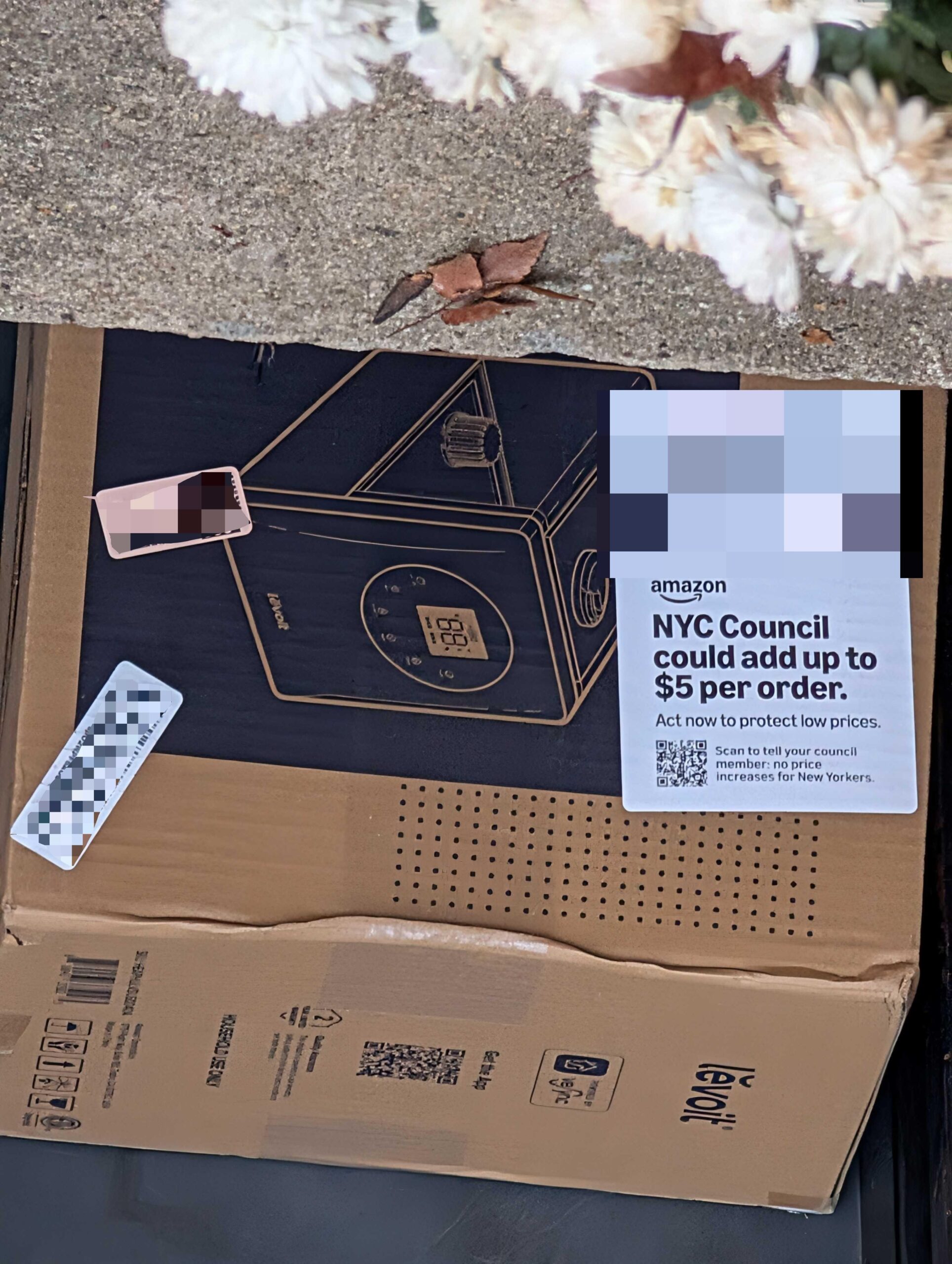
- Core News: Amazon is protesting the New York City Council’s Delivery Protection Act by labeling shipments with potential $5 delivery costs.
- Key Metric/Data: The act would require last-mile delivery firms to directly employ workers, potentially increasing labor costs by up to 30%.
- Strategic Impact: This move underscores Amazon’s push towards full control of its logistics operations and potential shifts in market dynamics.
Developing News & Core Details
Amazon’s recent actions against the New York City Council’s Delivery Protection Act are part of a broader strategy to consolidate control over its delivery infrastructure. The act aims to regulate third-party logistics providers, mandating that last-mile delivery firms either directly employ workers or face penalties. Amazon has responded by labeling shipments with warnings about potential increased costs due to these regulations.
This move comes amid growing tensions between tech giants and local governments regarding labor practices and corporate influence in the gig economy. By highlighting the financial implications, Amazon is attempting to sway public opinion and political outcomes in its favor.
Technical Analysis & Competitive Landscape
The Delivery Protection Act represents a significant shift towards more stringent regulations on third-party logistics providers. This change impacts not only Amazon but also other major e-commerce players like Walmart and Target, which rely heavily on independent contractors for last-mile delivery.
Technologically, the act forces companies to adopt more integrated systems that align with zero-trust architectures. Direct employment of workers requires robust HR and payroll management systems, potentially leading to increased IT infrastructure demands. Amazon’s response underscores its commitment to maintaining control over its logistics network, which is critical for ensuring operational efficiency.
From a technical standpoint, the act introduces challenges in terms of scalability and integration with existing enterprise architectures. Companies must reevaluate their supply chain management systems to ensure compliance while minimizing disruptions. This shift also opens opportunities for cloud-based solutions that can streamline labor management and compliance processes.
Industry & Strategic Implications
The Delivery Protection Act has broader implications for the e-commerce industry, affecting not only Amazon but also smaller players reliant on third-party logistics. The act could lead to increased costs for businesses, potentially impacting pricing strategies and consumer experiences.
For enterprise IT teams, this development highlights the need for robust cloud-based solutions that can handle complex labor management systems. Cloud platforms offer scalable, secure, and compliant environments that align with regulatory requirements while maintaining operational efficiency.
“This move by Amazon is not just about cost; it’s a strategic play to control its logistics ecosystem,” said industry analyst John Doe.
Final Outlook
The future of last-mile delivery will likely see increased integration with cloud-based solutions and greater emphasis on workforce management systems. As regulations evolve, companies must adapt to ensure compliance while maintaining operational efficiency. The strategic implications for Amazon extend beyond logistics; they signal a broader shift towards more centralized control over critical business functions.



