
⚡ Executive Summary
- Core News: Apple’s HomeView is a smart display with audio capabilities that fall short of dedicated speakers like the Sonos One and HomePod Mini.
- Key Metric/Data: The HomeView delivers decent sound quality but lacks the depth and clarity of its competitors, especially in larger rooms.
- Strategic Impact: While suitable for small spaces or as a secondary speaker, it may not meet enterprise IT needs for critical audio applications like conference calls or background music in large offices.
Developing News & Core Details
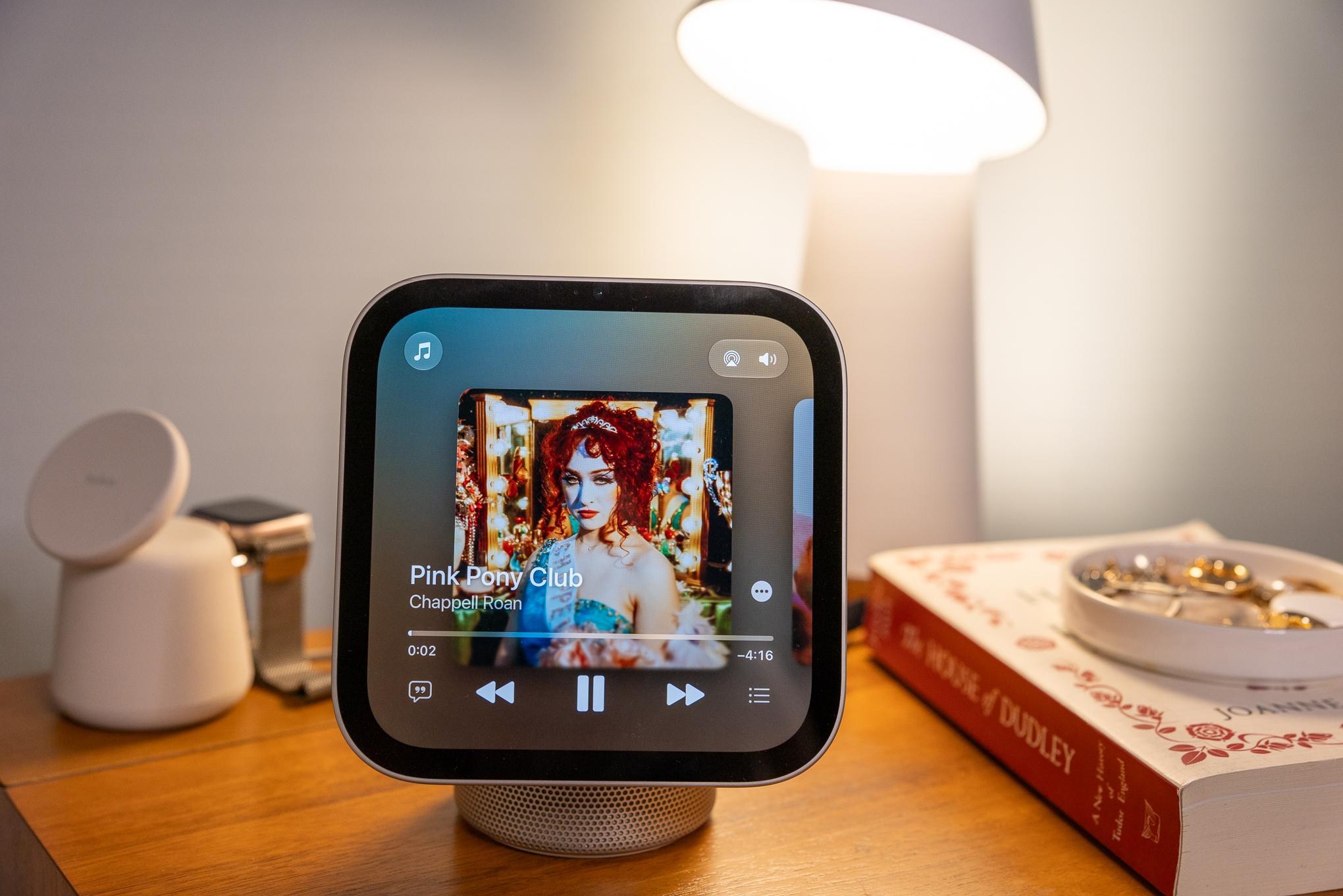
The Apple HomeView is the company’s first smart display, combining a 7-inch touchscreen with a built-in speaker. While it offers basic audio functionality, its performance pales in comparison to dedicated speakers like the Sonos One and HomePod Mini.
Apple’s HomeView is not designed as a primary audio device but rather as an integrated part of their smart home ecosystem. It supports third-party music apps through AirPlay 2, allowing users to stream content from Apple Music or other services directly to the display. However, this integration comes with certain limitations and frustrations.
Technical Analysis & Competitive Landscape
The HomeView’s audio capabilities are limited by its form factor and power constraints. The speaker is relatively small compared to dedicated speakers like the Sonos One (3.5 inches) or HomePod Mini (4.37 inches). This size difference translates into lower bass response and less powerful sound output.
Compared to the Sonos One, which offers crisp treble and well-rounded midrange frequencies, the HomeView struggles with clarity in larger rooms. In a small space, it can be adequate for background music or casual listening but falls short when higher fidelity is required. The HomePod Mini, on the other hand, provides excellent sound quality across all frequency ranges, making it more suitable for critical audio applications.
Key Performance Metrics & Specifications
- Compute & Throughput: The HomeView’s processor is optimized for display and user interface tasks rather than high-performance audio processing. This results in a less responsive speaker system, especially during complex audio streams or multi-tasking scenarios.
- Scalability & Deployment: The HomeView is limited to small spaces due to its form factor and power consumption. It does not integrate well into larger enterprise environments where robust audio solutions are necessary for critical applications like conference calls or background music in large offices.
- Security & Maintenance: The HomeView’s security features, while adequate for home use, may not meet the stringent requirements of enterprise IT environments. Regular software updates and maintenance are required to ensure optimal performance and security.
Industry & Strategic Implications
The HomeView represents a strategic move by Apple to integrate audio capabilities into its smart display devices. However, it falls short in delivering the high-quality sound expected from dedicated speakers. This could limit its appeal to enterprise IT departments looking for robust audio solutions.
“The HomeView is more of an integrated part of Apple’s ecosystem than a standalone audio device, which limits its utility in critical applications.”
Final Outlook
In the coming years, as smart home technology continues to evolve, we may see improvements in speaker quality and integration within smart displays. However, for enterprise IT environments, dedicated speakers like the Sonos One or HomePod Mini will remain the preferred choice for critical audio applications.



