
⚡ Executive Summary
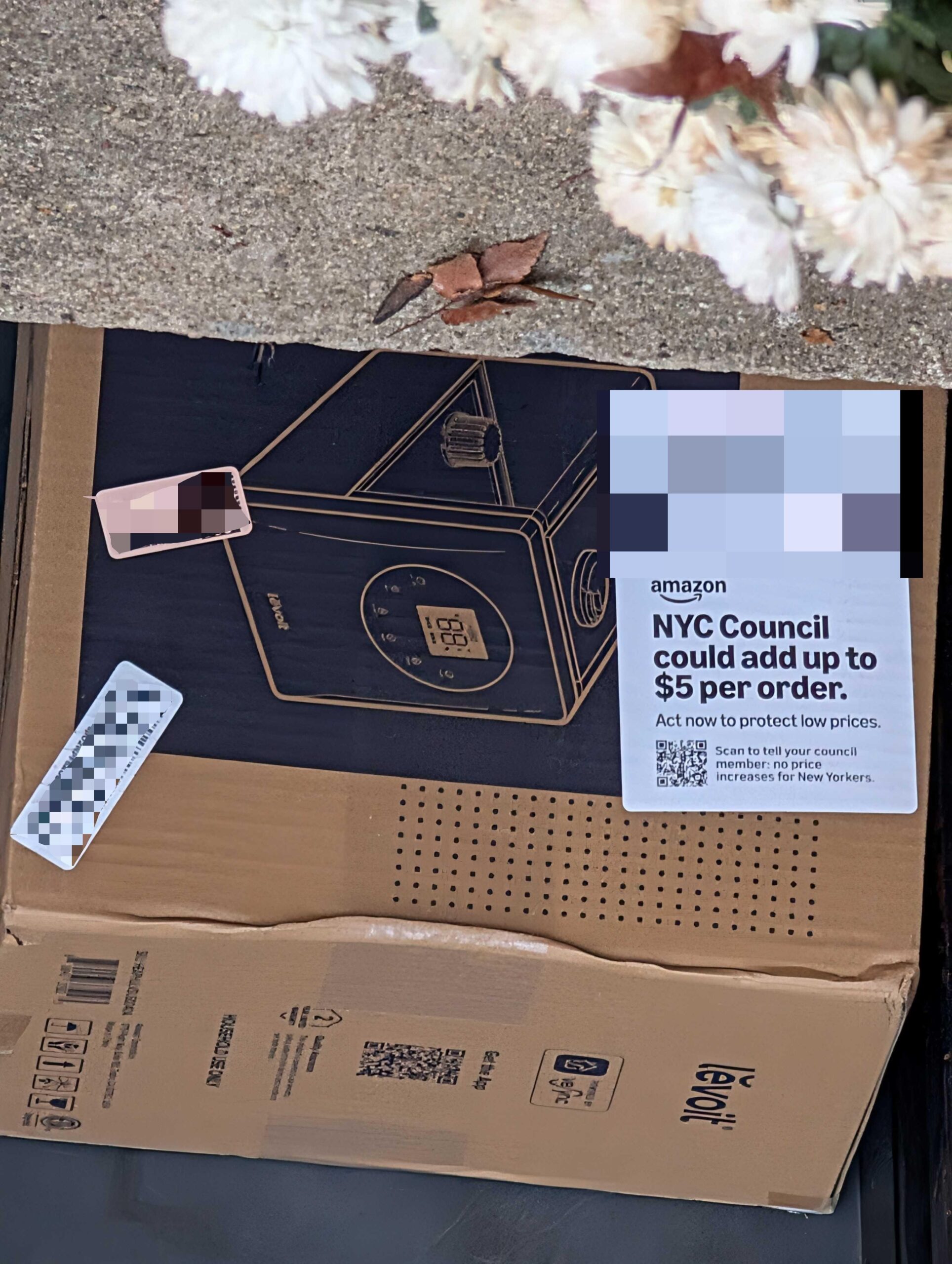
- Core News: Amazon labels shipments to protest potential $5 surcharge for third-party delivery services.
- Key Metric/Data: The proposed Delivery Protection Act would require last-mile delivery firms to employ workers directly, increasing costs by an estimated $5 per order.
- Strategic Impact: This move signals Amazon’s growing resistance to regulatory changes that could disrupt its flexible labor model and supply chain efficiency.
Developing News & Core Details
Amazon, the global leader in e-commerce logistics, is facing increasing pressure from New York City’s Delivery Protection Act. This legislation aims to regulate third-party delivery services by requiring last-mile delivery firms to employ workers directly and obtain city licenses. Amazon’s response has been swift and aggressive, with the company now labeling shipments to notify customers of potential $5 surcharges.
Amazon’s mobile app and website are currently displaying notifications that read ‘Attent…’ These labels are part of a broader strategy to highlight the financial implications of the proposed law on consumer prices. The company is leveraging its market power to influence public opinion and regulatory outcomes, emphasizing the potential cost increases for consumers.
Technical Analysis & Competitive Landscape
The Delivery Protection Act represents a significant shift in how last-mile delivery services are regulated. For Amazon, this change could disrupt its flexible labor model, which has been a cornerstone of its efficient and cost-effective logistics operations. The company’s reliance on third-party contractors allows it to scale quickly and respond to demand fluctuations without the overhead costs associated with direct employment.
However, the proposed law would require these firms to employ workers directly, increasing operational costs. This shift could lead to higher shipping fees for consumers, as Amazon passes on some of these increased expenses. The company’s aggressive labeling strategy is a clear indication that it views this regulatory change as a threat to its competitive advantage.
From a technical perspective, the logistics industry has been evolving towards greater automation and efficiency. Amazon’s investment in robotics and autonomous delivery systems underscores its commitment to maintaining cost-effectiveness. However, the proposed law could slow down these advancements by increasing operational complexity and regulatory compliance costs.
Key Performance Metrics & Specifications
- Compute & Throughput: The labeling strategy does not directly impact compute resources but highlights the potential for increased throughput as Amazon adjusts to new regulations. This could lead to higher server utilization due to increased customer inquiries and notifications.
- Scalability & Deployment: The proposed law would require significant changes in deployment models, particularly for last-mile delivery firms. Amazon’s existing infrastructure may need to be reconfigured to accommodate direct employment practices, impacting scalability and operational efficiency.
- Security & Maintenance: The labeling strategy does not directly impact security but highlights the importance of maintaining transparency with customers. This could lead to increased maintenance efforts as Amazon works to address customer concerns and regulatory compliance.
Industry & Strategic Implications
The Delivery Protection Act is part of a broader trend towards greater labor rights and worker protection in the logistics industry. While this shift may be beneficial for workers, it could have significant implications for companies like Amazon that rely on flexible labor models. The proposed law could lead to higher operational costs, reduced scalability, and increased regulatory compliance requirements.
For enterprise IT infrastructure, this change could impact cloud-based logistics platforms and supply chain management systems. Companies may need to invest in additional resources to ensure compliance with new regulations, potentially leading to higher TCO (Total Cost of Ownership).
“Amazon’s labeling strategy is a clear indication that it views the proposed law as a threat to its competitive advantage.”
Final Outlook
The Delivery Protection Act represents a significant shift in how last-mile delivery services are regulated. While this change may be beneficial for workers, it could have significant implications for companies like Amazon that rely on flexible labor models. The proposed law could lead to higher operational costs, reduced scalability, and increased regulatory compliance requirements.
Looking ahead, the logistics industry is likely to see further changes as regulations evolve. Companies like Amazon will need to adapt their operations to comply with new laws while maintaining cost-effectiveness and efficiency. This shift could have broader implications for enterprise IT infrastructure, cloud-based logistics platforms, and supply chain management systems.



