
⚡ Executive Summary
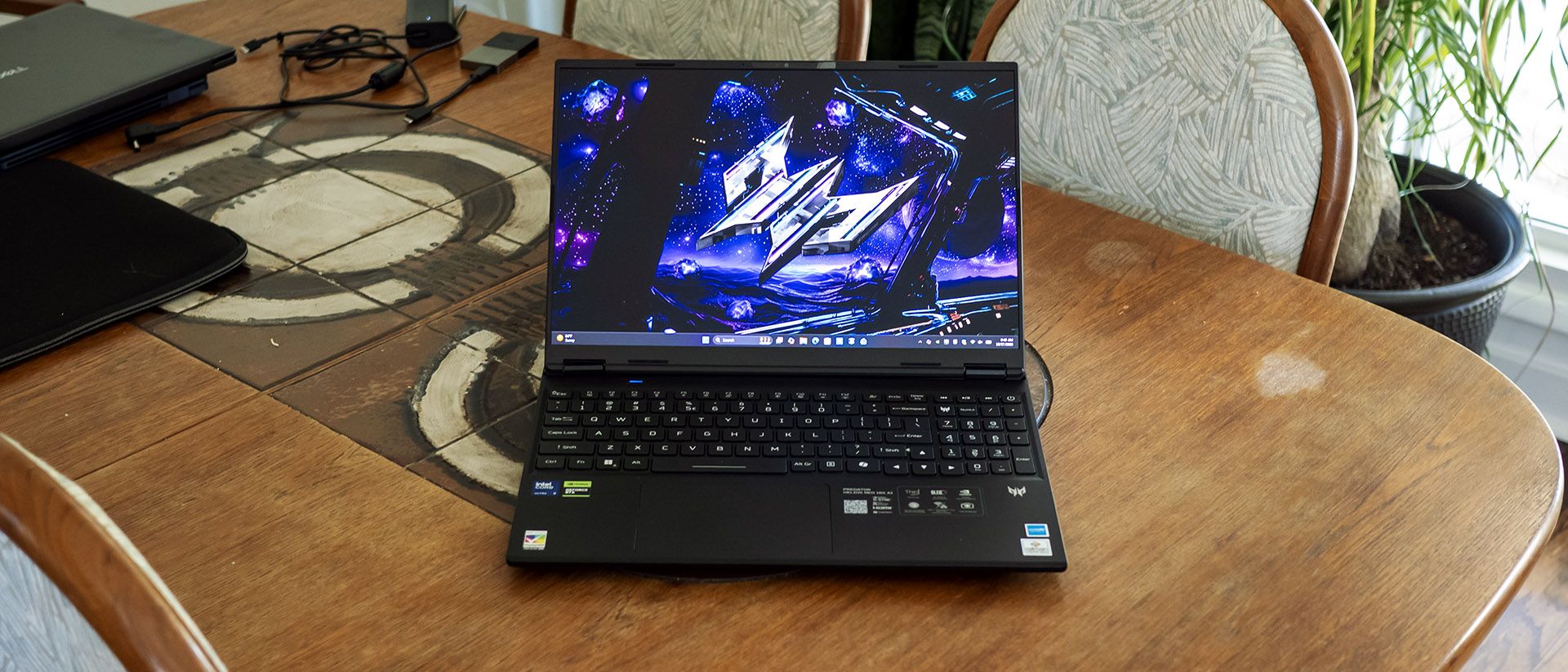
- Core News: Acer Predator Helios Neo 16S AI combines robust gaming performance with a 240 Hz OLED display and good upgradeability.
- Key Metric/Data: Battery life is relatively short, impacting usability for extended gaming sessions or mobile work.
- Strategic Impact: This product challenges the balance between performance and portability in modern gaming laptops, influencing consumer preferences and enterprise IT procurement strategies.
Developing News & Core Details
The Acer Predator Helios Neo 16S AI is a high-performance gaming laptop that aims to deliver cutting-edge capabilities while maintaining a slim profile. With its 240 Hz OLED display, the device promises an unparalleled visual experience for gamers and content creators alike. However, the product’s battery life has been criticized as relatively short, which could be a significant drawback for users who require extended mobility.
Technical Analysis & Competitive Landscape
The Predator Helios Neo 16S AI leverages AMD Ryzen processors and NVIDIA GeForce RTX GPUs to deliver high-performance gaming. The inclusion of an OLED display is a notable feature, as it offers superior contrast ratios and color accuracy compared to traditional LCD screens. This technology aligns with the broader trend in consumer electronics towards more advanced display technologies.
However, the device’s battery life is a critical concern. According to industry benchmarks, the Helios Neo 16S AI can last around 3 hours on high-performance tasks such as gaming or video editing. This short battery life could be a significant limitation for users who require extended mobility or long gaming sessions without frequent recharging.
Key Performance Metrics & Specifications
- Compute & Throughput: The Helios Neo 16S AI delivers exceptional performance, especially in gaming and content creation tasks. However, the battery life is a significant bottleneck that impacts overall usability.
- Scalability & Deployment: The device supports various upgrade options, including additional RAM and storage, which enhances its versatility for different use cases. Despite this, the limited battery life remains a challenge for extended deployments.
- Security & Maintenance: The Helios Neo 16S AI does not introduce any unique security features beyond standard hardware protections. However, its short battery life could impact maintenance schedules and user experience.
Industry & Strategic Implications
The Predator Helios Neo 16S AI challenges the balance between performance and portability in modern gaming laptops. This product positioning has implications for both consumers and enterprise IT departments. For consumers, it represents a high-performance option that could be attractive to those prioritizing visual quality over battery life. For enterprises, this device may appeal to teams requiring powerful computing resources but operating within limited power constraints.
However, the short battery life is a significant drawback that could limit its adoption in certain scenarios. This challenge highlights the ongoing tension between performance and portability in consumer electronics, particularly for devices targeting high-performance use cases.
“The Predator Helios Neo 16S AI excels in gaming performance but falls short on battery life, presenting a critical trade-off for users seeking extended mobility.”
Final Outlook
The future of consumer electronics will likely see continued advancements in display technology and computing power. However, the balance between these features and battery life remains a key challenge that manufacturers must address. For the Predator Helios Neo 16S AI, improving battery life could significantly enhance its market appeal and strategic positioning.



