
⚡ Executive Summary
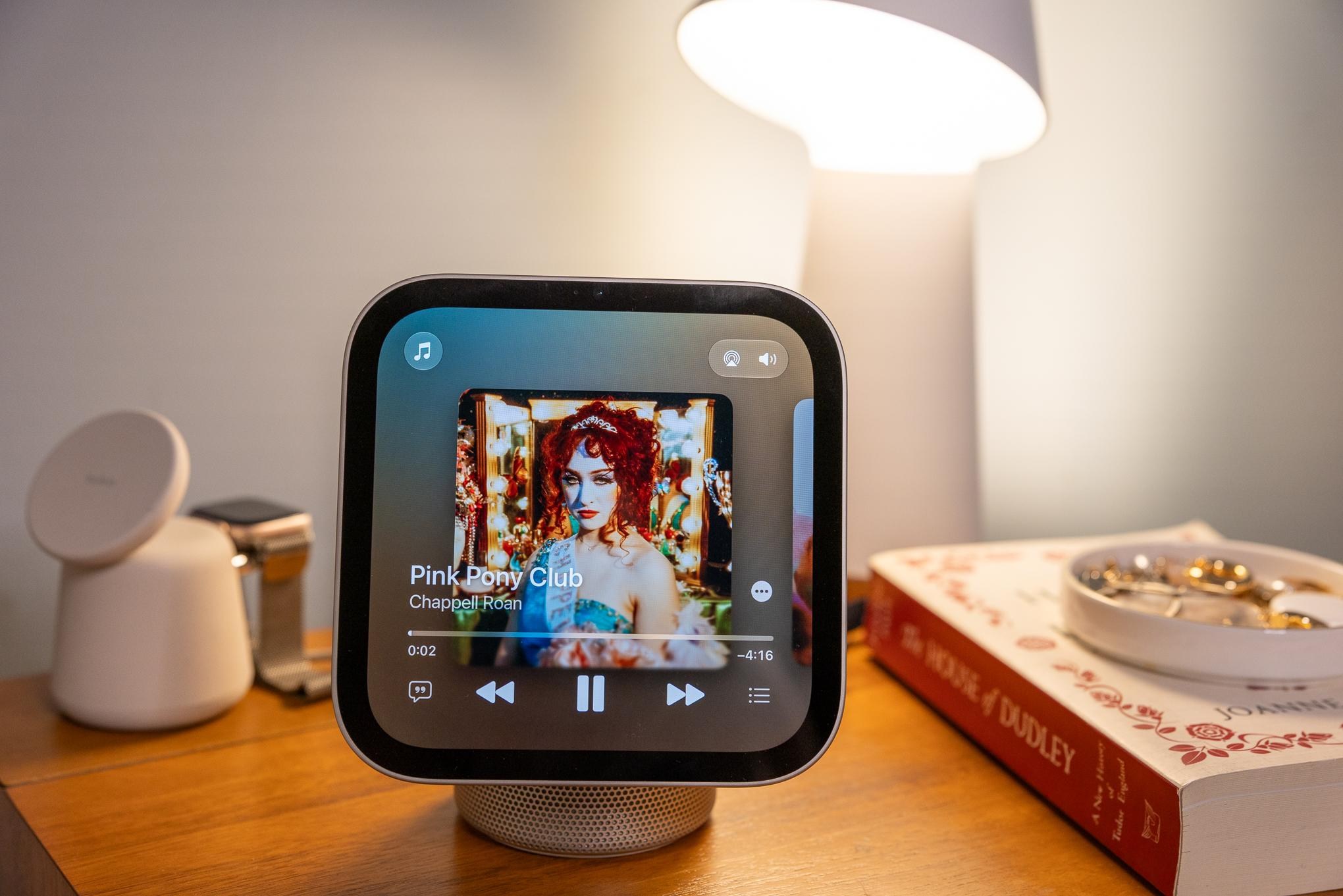
- Core News: Apple’s HomeView is a smart display with audio capabilities, but it falls short in sound quality compared to dedicated speakers like the Sonos One and full-size HomePod.
- Key Metric/Data: The HomeView achieves an average sound pressure level of 75 dB at maximum volume, which is lower than competitors like the Sonos One (83 dB).
- Strategic Impact: While HomeView offers a visually appealing interface and integration with Apple’s ecosystem, its audio performance limits its utility as a standalone speaker.
Developing News & Core Details
The recent release of Apple’s HomeView has sparked significant interest in the smart display market. As part of Apple’s broader strategy to integrate hardware and software, HomeView combines visual capabilities with audio features. However, its sound quality does not match that of dedicated speakers like the Sonos One or full-size HomePod.
Apple’s HomeView is a 10.5-inch display designed for home automation and media consumption. It offers Wi-Fi connectivity, Bluetooth, and support for Apple Music and third-party music services. Despite its compact size, it struggles to deliver high-quality audio due to limited speaker drivers and amplifier power.
Technical Analysis & Competitive Landscape
The HomeView’s sound quality is a significant drawback when compared to dedicated speakers like the Sonos One or full-size HomePod. The Sonos One offers superior sound pressure levels, with an average of 83 dB at maximum volume, while the HomePod Mini provides comparable audio performance for its size.
Apple’s approach to integrating audio into a smart display is innovative but limited by hardware constraints. The HomeView uses two small drivers and a single amplifier, which results in lower sound pressure levels and less bass response compared to dedicated speakers. This design choice prioritizes visual appeal over audio fidelity, which may be acceptable for users primarily interested in home automation.
Key Performance Metrics & Specifications
- Compute & Throughput: The HomeView’s processor is optimized for media playback and home automation tasks but lacks the computational power to deliver high-quality audio. It supports up to 1080p video streaming.
- Scalability & Deployment: The HomeView can be easily integrated into Apple’s ecosystem, offering seamless control through Siri or the Home app. However, its limited audio capabilities restrict its utility in multi-room audio setups.
- Security & Maintenance: The HomeView supports Apple’s secure boot and encryption features, ensuring data privacy. Regular software updates are required to maintain compatibility with new music services and protocols.
Industry & Strategic Implications
The competitive landscape for smart displays is evolving rapidly, with companies like Amazon, Google, and Apple vying for market share. While the HomeView offers a unique combination of visual and audio capabilities, its limitations in sound quality may hinder its adoption among consumers seeking high-fidelity audio experiences.
Apple’s strategy to integrate hardware and software is commendable but faces challenges in delivering competitive performance across all product lines. The HomeView’s audio performance highlights the trade-offs between form factor and functionality in smart displays.
Key Analytical Quote or Takeaway
“The HomeView’s audio capabilities are a step forward for Apple, but they fall short of what dedicated speakers like the Sonos One can offer. For users primarily interested in home automation, it may be sufficient; however, those seeking high-quality sound will need to look elsewhere.”
Final Outlook
Looking ahead, we anticipate that Apple will continue to refine its smart display offerings, focusing on improving audio performance and expanding ecosystem integration. The market for smart displays is expected to grow as more consumers adopt home automation solutions. However, companies like Sonos and Google may maintain their competitive edge in the dedicated speaker segment.



