
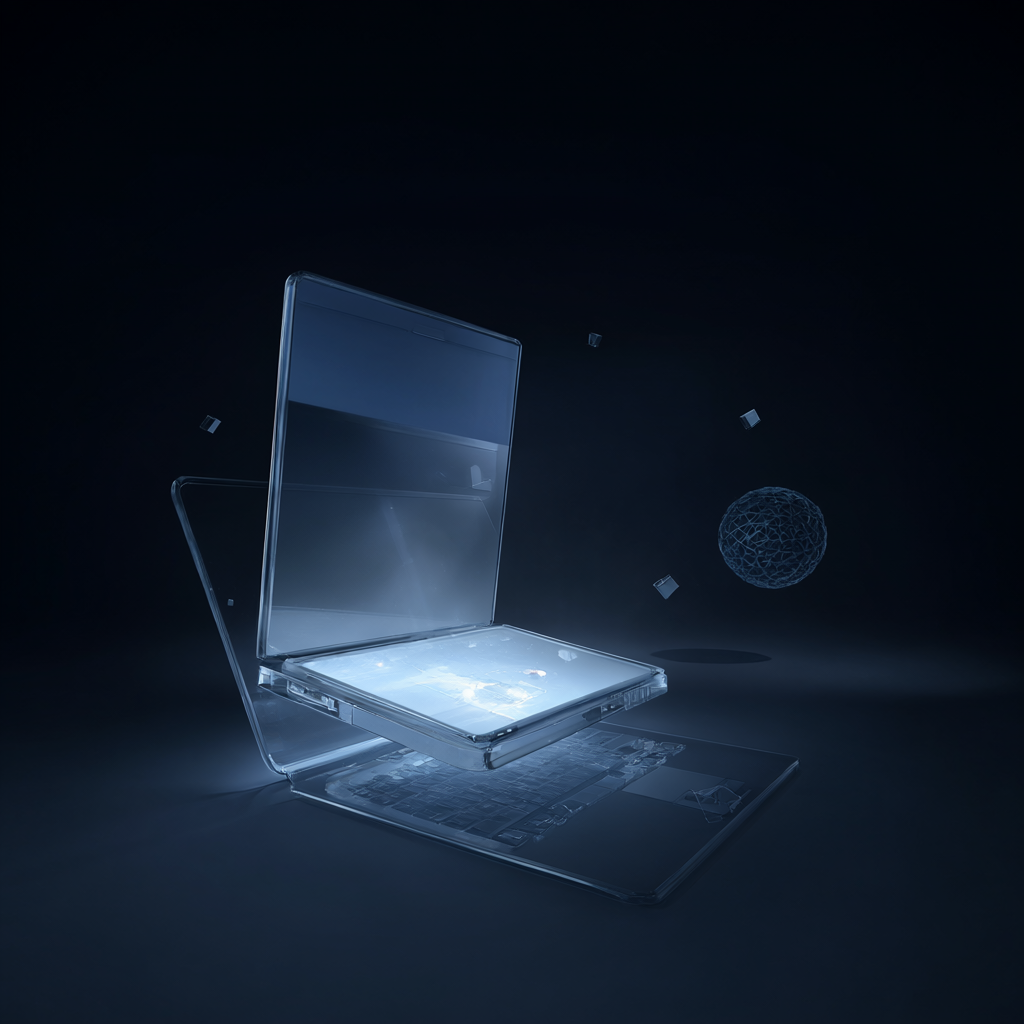
In an era where technological advancements seem to follow Moore’s Law, Apple has once again pushed the boundaries of innovation with its latest release, the Touchscreen MacBook Pro. At a price point of around $14,549, this laptop marks a significant milestone in computer hardware and pricing.
Key Developments
- Unprecedented Price Point: The new MacBook Pro introduces an extraordinary cost structure, challenging the traditional value proposition of laptops. Apple’s commitment to excellence seems to come at an increasingly higher price tag.
- New Touchscreen Technology: Incorporating a touchscreen into a laptop is not a common feature, and its inclusion here indicates a significant shift in how users will interact with their devices. This innovation could redefine the user experience and set new standards for future laptops.
Why It Matters
The introduction of the Touchscreen MacBook Pro by Apple has far-reaching implications for both the consumer electronics market and the broader tech industry. First, it demonstrates that premium products can command premium prices, potentially setting a trend for luxury tech gadgets. However, this also raises questions about affordability and accessibility in an increasingly competitive market.
Secondly, this laptop represents a significant leap forward in terms of user interaction. The integration of touchscreen technology could lead to more intuitive interfaces and enhanced productivity tools, benefiting both casual users and professionals alike. Apple’s focus on seamless integration between hardware and software suggests that this is not just about the feature itself but also about the overall experience.
Industry analysts predict that such high-end models will likely influence future product development across various segments. Smaller manufacturers may feel pressure to innovate similarly, while larger companies might explore partnerships or acquisitions to stay competitive in the evolving tech landscape.



