⚡ Executive Summary
- Core News: Eccentric form factors are staging a comeback, spearheaded by Huawei’s Pura X series featuring ultra-wide aspect ratios, alongside a resurgence of physical QWERTY keyboard accessories.
- Key Metric/Data: Huawei’s ‘wide-screen’ unorthodox iterations have successfully surpassed the one-million sales milestone, proving viable consumer appetite for niche designs.
- Strategic Impact: The homogenization of the modern smartphone slab is facing design pressure from consumers craving tactile feedback, ergonomic utility, and differentiated aesthetics.
Developing News & Core Details
For years, the smartphone industry has suffered under the tyrannical rule of the monolithic glass slab. Every flagship release looked like a minor iteration of the last: a rounded rectangular touchscreen with a centrally punched-hole camera, a glass back, and a multi-sensor camera island. However, the tides are shifting. Enthusiasts of small and unconventional devices finally have reason to celebrate as manufacturers break away from standard aspect ratios and input methods.
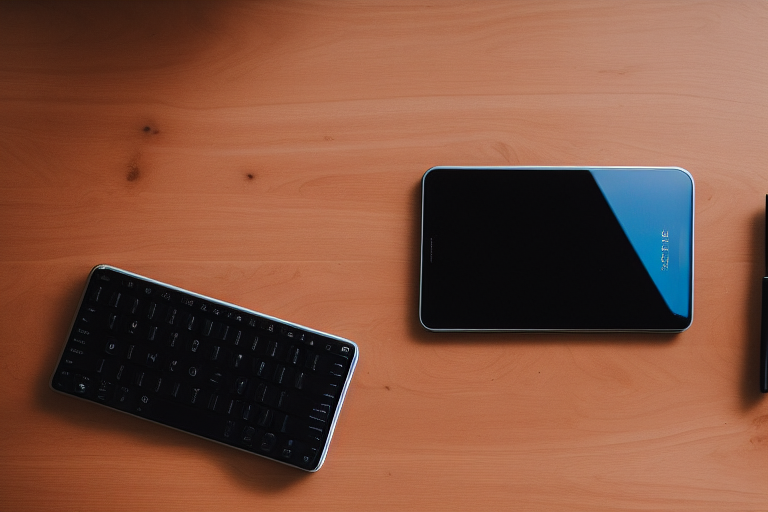
Huawei’s Pura X series has successfully injected life back into the market by reintroducing the ultra-wide, ‘squat’ screen format, pushing past the one-million sales mark. Concurrently, the landscape of physical mobile inputs is expanding. While niche rugged device makers like Unihertz previously stood alone in keeping tactile keyboards alive, we are now seeing a surge in modular physical keyboard cases for mainstream devices. This indicates a growing sub-culture of power users and nostalgics rejecting purely virtual typing.
Technical Analysis & Competitive Landscape
The engineering challenge behind these ‘weird’ phones lies in balancing modern hardware constraints with non-standard geometries. Designing an ultra-wide folding or rigid device requires a total overhaul of internal component architecture. Motherboards must be bifurcated or custom-sliced, dual batteries must be balanced across unconventional centers of gravity, and thermal management paths must be completely re-architected to fit thinner, wider chassis.
Furthermore, app ecosystem compatibility remains a persistent friction point. Android has historically optimized for vertical 19.5:9 or 20:9 aspect ratios. When device makers introduce radically different widths, developers must adapt their UI layouts to handle letterboxing, scaling, and responsive design natively. The success of Huawei’s wide-screen hardware forces developers to once again take non-standard display matrices seriously, mirroring the early days of foldable screen adaptation.
Industry & Strategic Implications
This micro-trend points to a broader fatigue with incremental smartphone upgrades. When incremental camera bumps and marginal processor speed gains no longer drive hardware cycles, physical form-factor innovation becomes the primary differentiator. Brands are realizing that capturing even a loyal 5% to 10% slice of users who desperately want tactile keyboards, one-handed pocketability, or unique visual presence can yield high-margin enterprise and enthusiast sales.
For investors and supply chain vendors, this resurgence breathes life into custom hinge manufacturing, specialized display cutting, and tactile button component suppliers who were otherwise being squeezed out by the homogenization of commodity slab components.
“The smartphone market is shifting away from pure standardization; consumers are no longer satisfied with a one-size-fits-all glass rectangle, opening the door for ergonomic and functional diversity.”
Final Outlook
Are weird phones coming back for good? While the standard glass slab will undoubtedly remain the high-volume volume leader for mainstream consumers, the era of absolute design conformity is over. As component miniaturization improves and flexible OLED manufacturing costs drop, we will likely see an expansion of experimental form factors targeted at productivity enthusiasts, digital minimalists, and design-forward buyers.
⚡ Featured Enterprise & AI Infrastructure Picks
Building high-throughput AI pipelines or upgrading your workstation? Explore our curated cloud hosting, GPU workstations, and enterprise software stack.