
⚡ Executive Summary
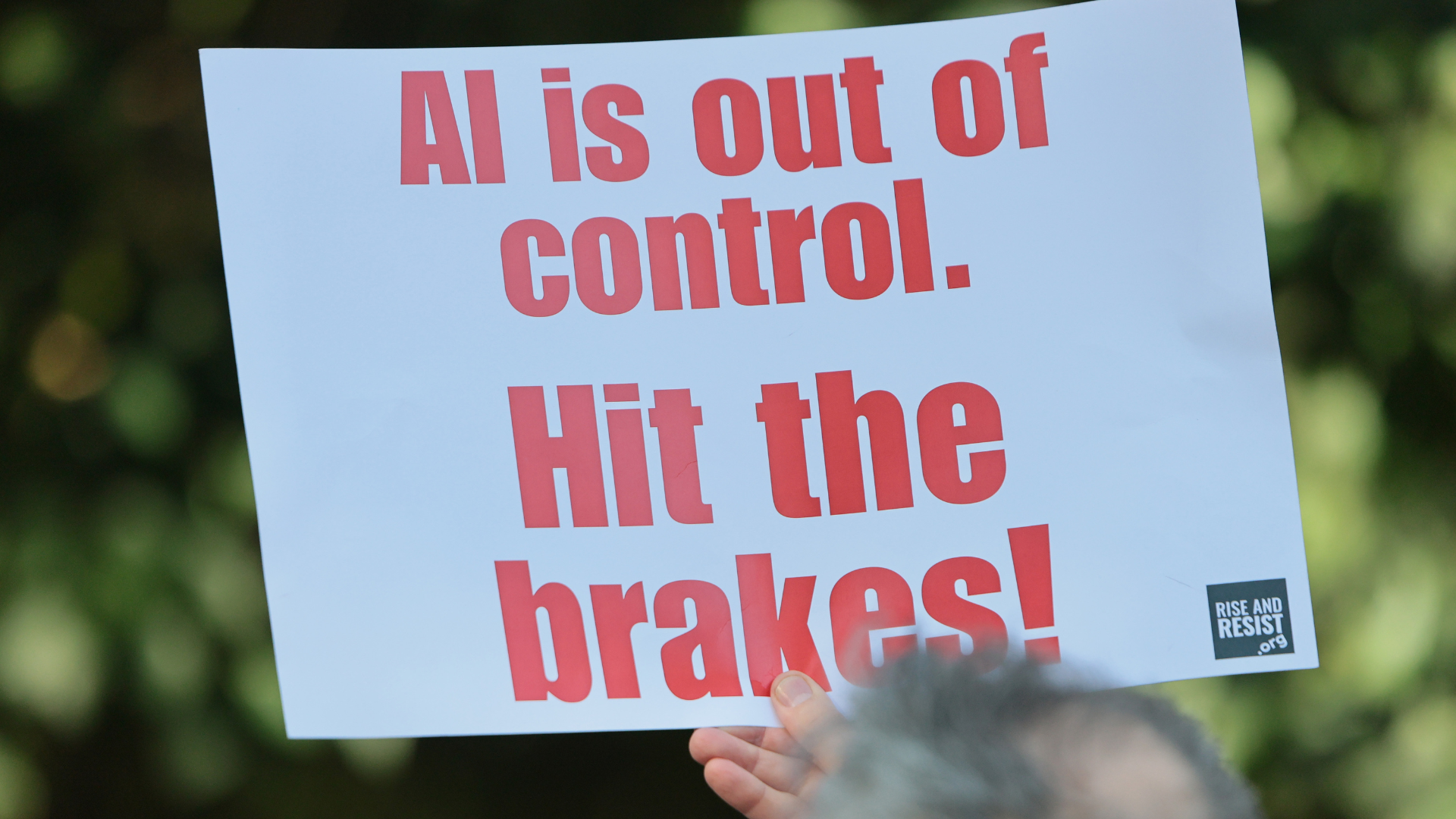
- Core News: Rep. Yassamin Ansari advocates for a ban on artificial superintelligence (ASI) following the Democrats’ midterm sweep.
- Key Metric/Data: ASI systems are projected to reach $107 billion in market value by 2030, according to Grand View Research.
- Strategic Impact: This call could influence AI policy and investment strategies globally, impacting enterprise IT infrastructure and cybersecurity measures.
Developing News & Core Details
The call for a ban on artificial superintelligence (ASI) by Rep. Yassamin Ansari of Arizona has garnered significant attention in the tech industry. This comes after a seismic shift in political power, with Democrats securing majorities across Congress and state legislatures. The move is part of a broader conversation around AI governance, which has seen increasing scrutiny from policymakers.
The ASI debate centers on the potential risks associated with highly advanced artificial intelligence systems that could surpass human intelligence. While current AI technologies are already transformative, ASI represents a leap in capability that could redefine industries and even societal structures. Rep. Ansari’s call for a ban is rooted in concerns about the ethical implications of such powerful systems.
Technical Analysis & Competitive Landscape
The development of ASI involves complex technical challenges, including self-improvement capabilities, generalization across domains, and adaptability to new environments. Current AI models like GPT-4 demonstrate significant advancements but fall short of the full potential of ASI.
From a competitive standpoint, companies like Google, Microsoft, and Alibaba are leading in AI research and development. However, the ethical implications of ASI could disrupt these market leaders’ strategies. A ban on ASI would necessitate rethinking current R&D priorities and investment allocations within the tech sector.
Key Performance Metrics & Specifications
- Compute & Throughput: Current AI systems require massive computational resources, with some models consuming up to 100 million parameters. ASI would demand even more significant infrastructure investments.
- Scalability & Deployment: ASI deployment in multi-cloud environments presents unique scalability challenges, requiring robust network architectures and data center integration.
- Security & Maintenance: Ensuring the security of ASI systems is paramount. Zero-trust architecture would be essential to mitigate risks associated with such powerful AI systems.
Industry & Strategic Implications
The call for a ban on ASI has broader implications for enterprise IT, cybersecurity, and innovation. For enterprises, this could mean reevaluating current AI strategies and potentially shifting focus to more mature AI technologies. Cybersecurity firms would need to adapt their strategies to address new threats posed by ASI.
“The ethical implications of ASI are profound, and we must proceed with caution,” said Rep. Yassamin Ansari.
Final Outlook
The future trajectory of AI is uncertain, but the call for a ban on ASI underscores the need for robust governance frameworks. As ASI continues to evolve, policymakers will play a crucial role in shaping its development and deployment. For tech companies, this could be an opportunity to lead in ethical AI research and development.



