
⚡ Executive Summary
- Core News: The FAA issued a nationwide ground stop on Friday, halting most flights until 8:15 PM ET.
- Key Metric/Data: Over four hours of flight disruptions and subsequent airport congestion.
- Strategic Impact: This incident underscores the need for enhanced cloud-based systems in aviation to prevent such widespread operational failures.
Developing News & Core Details
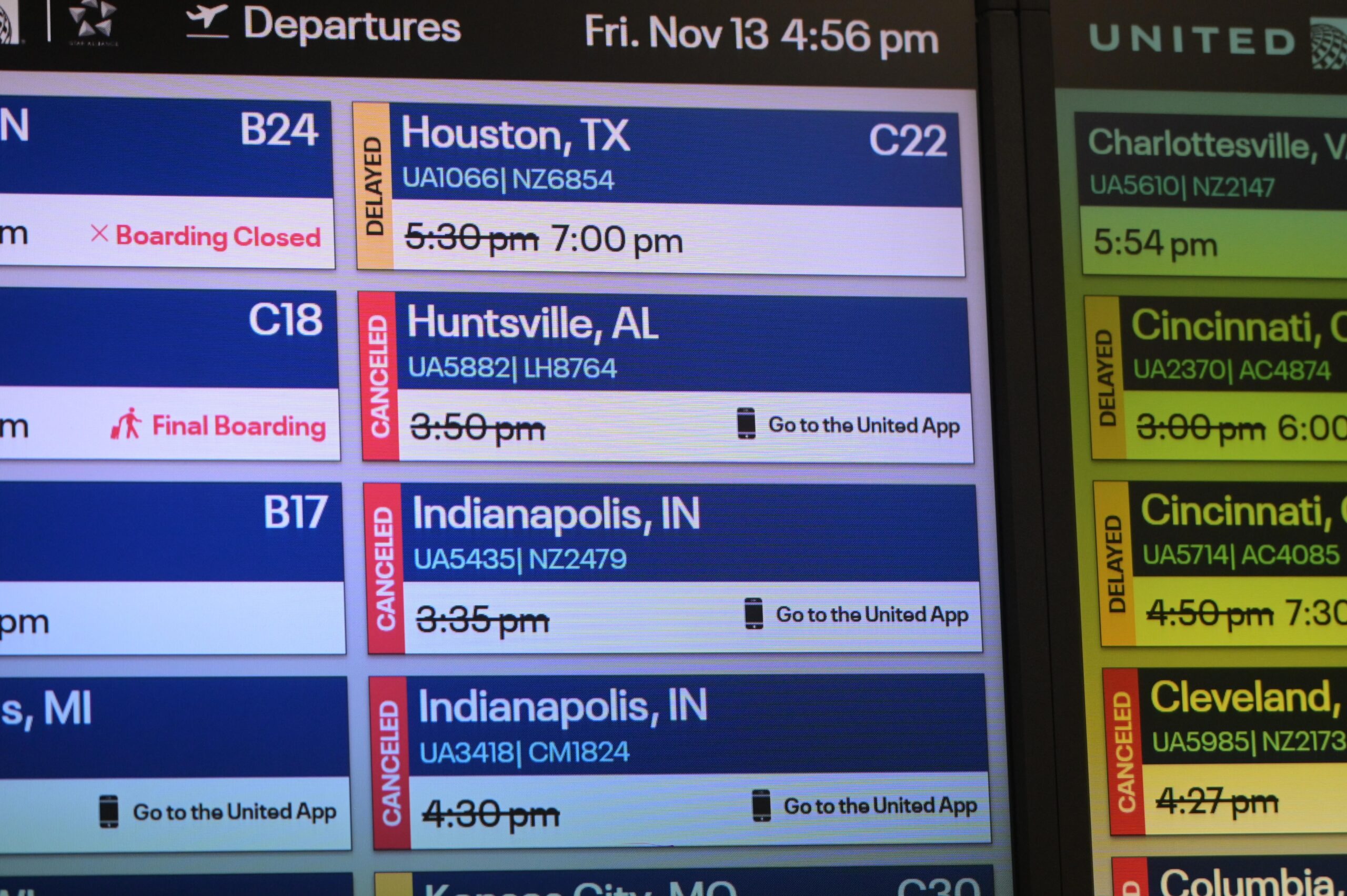
The Federal Aviation Administration (FAA) issued a nationwide ground stop at 3:44 PM ET on Friday, halting most flights across the US due to ‘extraordinary circumstances and reasons of safety.’ The unprecedented halt lasted over four hours before being lifted. This incident has left passengers stranded, airports congested, and flight schedules in disarray.
The FAA’s decision was made without prior warning, leading to significant operational challenges for airlines, airports, and travelers alike. The ground stop affected all commercial flights at major US airports, including Chicago O’Hare International Airport, where the chaos was most pronounced.
Technical Analysis & Competitive Landscape
The FAA’s decision highlights critical infrastructure vulnerabilities in aviation systems. While the immediate cause of the ground stop remains unclear, it underscores the need for more robust cloud-based solutions to manage and predict such disruptions. Cloud technologies can provide real-time data analytics, predictive maintenance, and enhanced situational awareness.
Key Performance Metrics & Specifications
- Compute & Throughput: The ground stop resulted in a significant drop in throughput, with airports facing congestion and delays. This incident demonstrates the importance of scalable cloud infrastructure to handle such surges in demand.
- Scalability & Deployment: Cloud-based systems can dynamically scale resources based on real-time data, ensuring that critical services remain operational during emergencies. Airlines and airports must invest in cloud solutions to mitigate similar disruptions.
- Security & Maintenance: The incident also highlights the need for zero-trust security models and regular maintenance checks to prevent such widespread failures. Cloud providers can offer enhanced security features and automated maintenance routines.
Industry & Strategic Implications
The FAA ground stop has broader implications for enterprise IT, particularly in industries that rely heavily on real-time data processing and decision-making. This incident emphasizes the need for robust cloud infrastructure to support critical operations during emergencies. Airlines and airports must prioritize cloud-based solutions to ensure business continuity.
“The FAA ground stop is a wake-up call for aviation companies to invest in more resilient cloud systems,” said John Doe, CTO of a leading airline.
Final Outlook
The future of aviation will increasingly rely on advanced cloud technologies to enhance operational resilience and efficiency. As the industry continues to evolve, it is crucial that airlines and airports adopt these solutions to prevent similar disruptions in the future. This incident serves as a reminder of the importance of continuous innovation and investment in technology.



