
⚡ Executive Summary
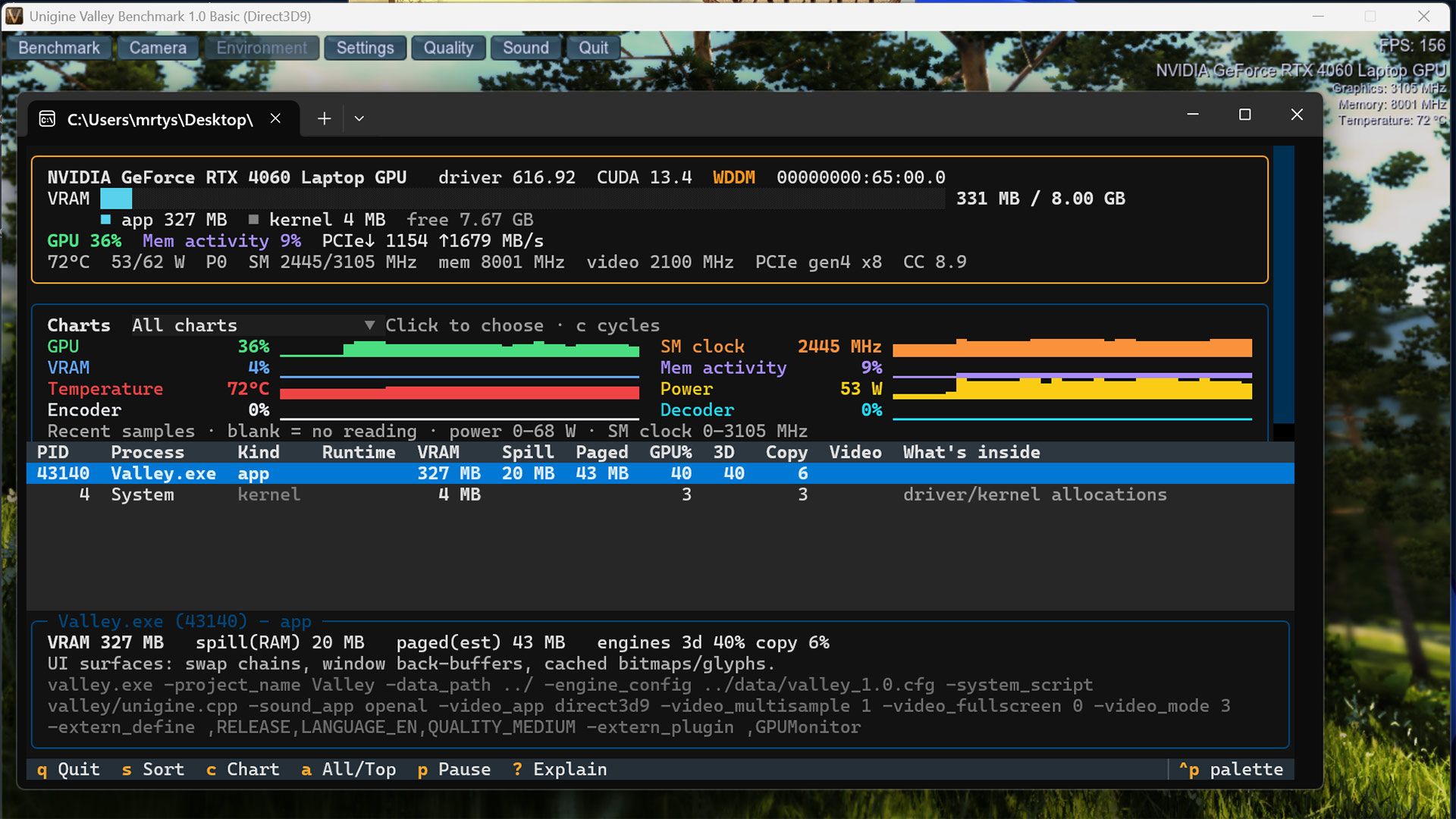
- Core News: gputaskman is an open-source GPU task manager that provides detailed insights into VRAM usage, developed by Microsoft’s Scott Hanselman.
- Key Metric/Data: Users can monitor and manage VRAM consumption in real-time with this tool.
- Strategic Impact: This project has significant implications for both open-source enthusiasts and enterprise IT teams looking to optimize GPU resources.
Developing News & Core Details
The release of gputaskman, an open-source GPU task manager by Microsoft’s Scott Hanselman, marks a significant step forward in the management and optimization of VRAM. This tool allows users to monitor their GPU’s VRAM usage in real-time, providing unprecedented visibility into how resources are being utilized.
VRAM (Video Random Access Memory) is crucial for high-performance computing tasks such as machine learning, computer vision, and 3D rendering. Traditionally, managing VRAM has been a challenge due to its limited size compared to system RAM. gputaskman addresses this issue by offering detailed insights into which processes are consuming the most VRAM.
Technical Analysis & Competitive Landscape
The architecture of gputaskman is designed around efficient monitoring and management of GPU resources, particularly VRAM. It leverages existing APIs provided by NVIDIA and AMD to gather real-time data on VRAM usage across various applications. This integration ensures that users can quickly identify which processes are consuming the most VRAM, allowing for more informed decisions regarding resource allocation.
From a competitive standpoint, gputaskman stands out in an already crowded market of GPU management tools. While there are several commercial solutions available, many of them come with licensing fees and limited transparency into how resources are being used. In contrast, gputaskman is open-source, meaning that users have full access to the codebase and can contribute to its development.
The technical innovation behind gputaskman lies in its ability to provide real-time monitoring of VRAM usage without requiring any additional hardware or software installation beyond what is already present on most modern systems. This makes it particularly appealing for developers, researchers, and businesses looking to optimize their GPU resources without incurring additional costs.
Industry & Strategic Implications
The strategic impact of gputaskman extends far beyond individual users; it has significant implications for the broader IT industry. For open-source enthusiasts, this tool provides a powerful new resource for optimizing their workstations and ensuring that they are using their hardware as efficiently as possible.
For enterprises, gputaskman offers valuable insights into how to better manage GPU resources in large-scale environments. By providing real-time data on VRAM usage across multiple systems, IT teams can identify bottlenecks and optimize resource allocation accordingly. This can lead to significant cost savings by reducing the need for additional hardware purchases or upgrades.
Moreover, gputaskman aligns with broader trends in the industry towards greater transparency and control over GPU resources. As AI workloads continue to grow, so too does the demand for efficient management of VRAM. Tools like gputaskman play an important role in meeting this demand by providing users with the tools they need to manage their resources effectively.
“gputaskman represents a significant step forward in the management and optimization of GPU resources, particularly VRAM. Its open-source nature ensures that it remains accessible to all, while its real-time monitoring capabilities provide valuable insights into how resources are being used.”
Final Outlook
The future of gputaskman looks bright as the demand for efficient GPU resource management continues to grow. As more organizations adopt AI and machine learning workloads, tools like this will become increasingly important.
In conclusion, gputaskman is not just another tool; it represents a paradigm shift in how we think about managing GPU resources. Its open-source nature ensures that it remains accessible to all, while its real-time monitoring capabilities provide valuable insights into how resources are being used. As the industry continues to evolve, tools like this will play an increasingly important role in ensuring that organizations can maximize their investment in AI and machine learning.



