⚡ Executive Summary
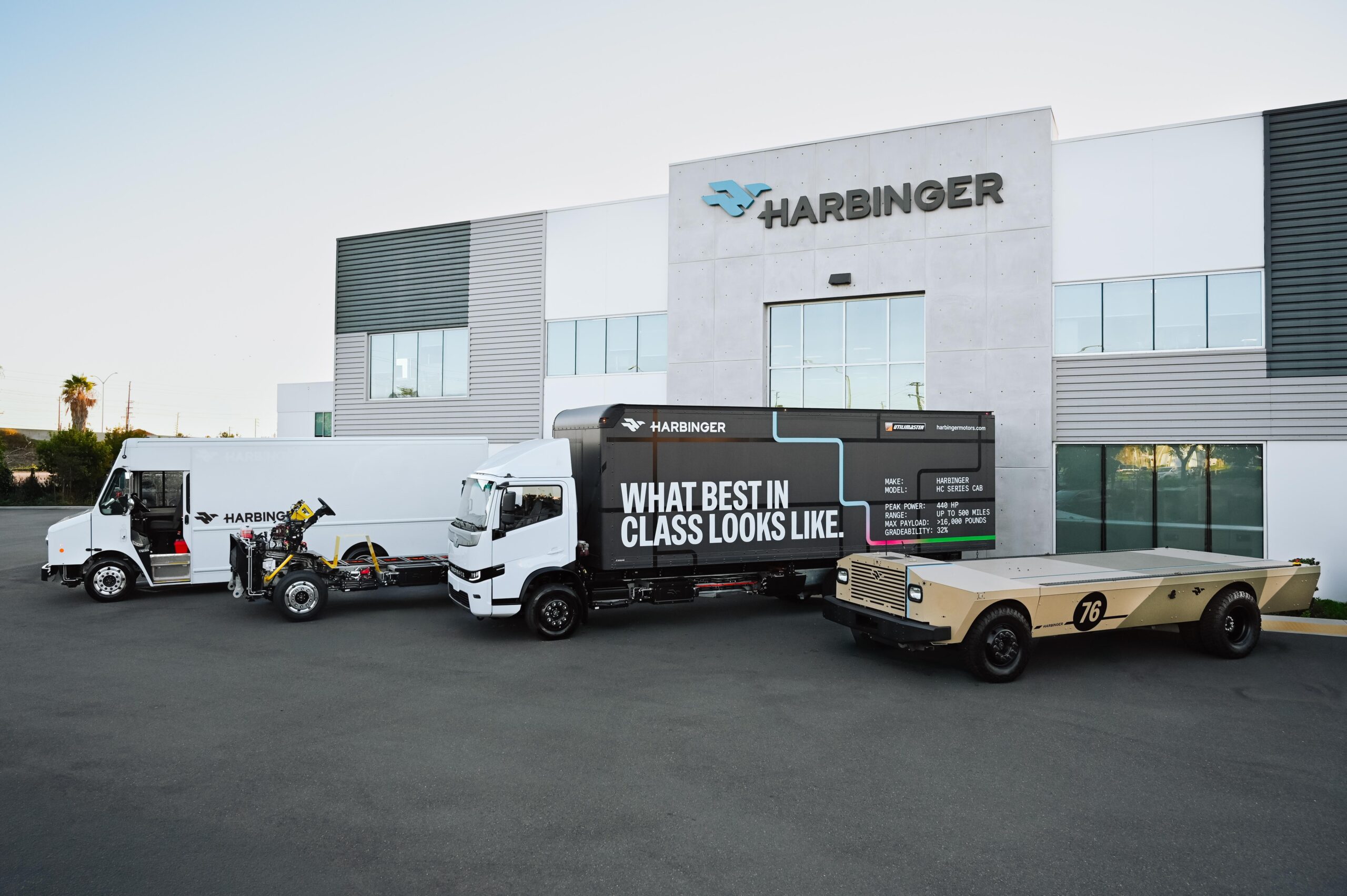
- Core News: Harbinger, an electric truck startup, is raising $240 million to scale its fleet of Class 4-6 delivery vans and box trucks.
- Key Metric/Data: The company secured a $300 million order from FedEx and a new defense contract with the US military.
- Strategic Impact: Harbinger’s focus on commercial segments bypasses consumer hype cycles, positioning it as a key player in sustainable logistics infrastructure.
Developing News & Core Details
Harbinger is making waves in the electric vehicle (EV) market by targeting Class 4-6 delivery vans and box trucks, segments that have been largely overlooked by legacy automakers. This strategic move allows Harbinger to focus on commercial vehicles where efficiency, cost-effectiveness, and sustainability are paramount.
The company’s Series D funding of $240 million is a testament to its growing market relevance and scalability. The $300 million order from FedEx and the new defense contract with the US military further solidify Harbinger’s position as a leader in sustainable commercial transportation solutions.
Technical Analysis & Competitive Landscape
Harbinger’s focus on Class 4-6 delivery vans and box trucks is not just about sustainability; it’s also about addressing the inefficiencies of legacy vehicles. These commercial segments are characterized by high fuel consumption, maintenance costs, and environmental impact, all of which can be significantly reduced with electric powertrains.
From a technical standpoint, Harbinger’s EVs leverage advanced battery technologies to ensure long-range capabilities and fast charging times. The company is also investing in lightweight materials and aerodynamics to enhance fuel efficiency further. This combination ensures that Harbinger’s vehicles can meet the demanding operational requirements of commercial fleets.
Compared to legacy automakers, Harbinger has a distinct advantage in agility and focus. While giants like Ford and General Motors are hesitant to commit fully to EVs due to their existing investment portfolios and consumer-centric strategies, Harbinger is able to pivot quickly and efficiently towards the commercial segment.
Key Performance Metrics & Specifications
- Compute & Throughput: Harbinger’s vehicles are designed for high throughput with minimal downtime. The battery technology ensures that these trucks can operate continuously without frequent recharging interruptions.
- Scalability & Deployment: The company is focusing on modular designs to facilitate easy integration into existing logistics infrastructure. This scalability allows Harbinger to meet the diverse needs of different commercial fleets.
- Security & Maintenance: Harbinger’s vehicles are equipped with advanced telematics systems for real-time monitoring and predictive maintenance, ensuring optimal performance and reducing downtime.
Industry & Strategic Implications
The strategic implications of Harbinger’s focus on commercial segments extend beyond just the automotive industry. By targeting these overlooked areas, Harbinger is contributing to a more sustainable logistics infrastructure. This shift towards electric powertrains in commercial vehicles can lead to significant reductions in carbon emissions and operational costs.
For enterprises, the adoption of Harbinger’s EVs represents an opportunity to reduce their environmental footprint while enhancing operational efficiency. The company’s focus on cost-effectiveness ensures that these benefits are accessible to a wide range of businesses.
Final Outlook
Looking ahead, Harbinger is poised to play a crucial role in the transition towards sustainable commercial transportation. As more companies recognize the importance of reducing their carbon footprint and operational costs, Harbinger’s focus on efficiency and sustainability will continue to attract investment and partnerships.
“Harbinger’s success lies in its ability to identify and address overlooked segments within the EV market, providing a blueprint for other startups looking to disrupt legacy industries.”