⚡ Executive Summary
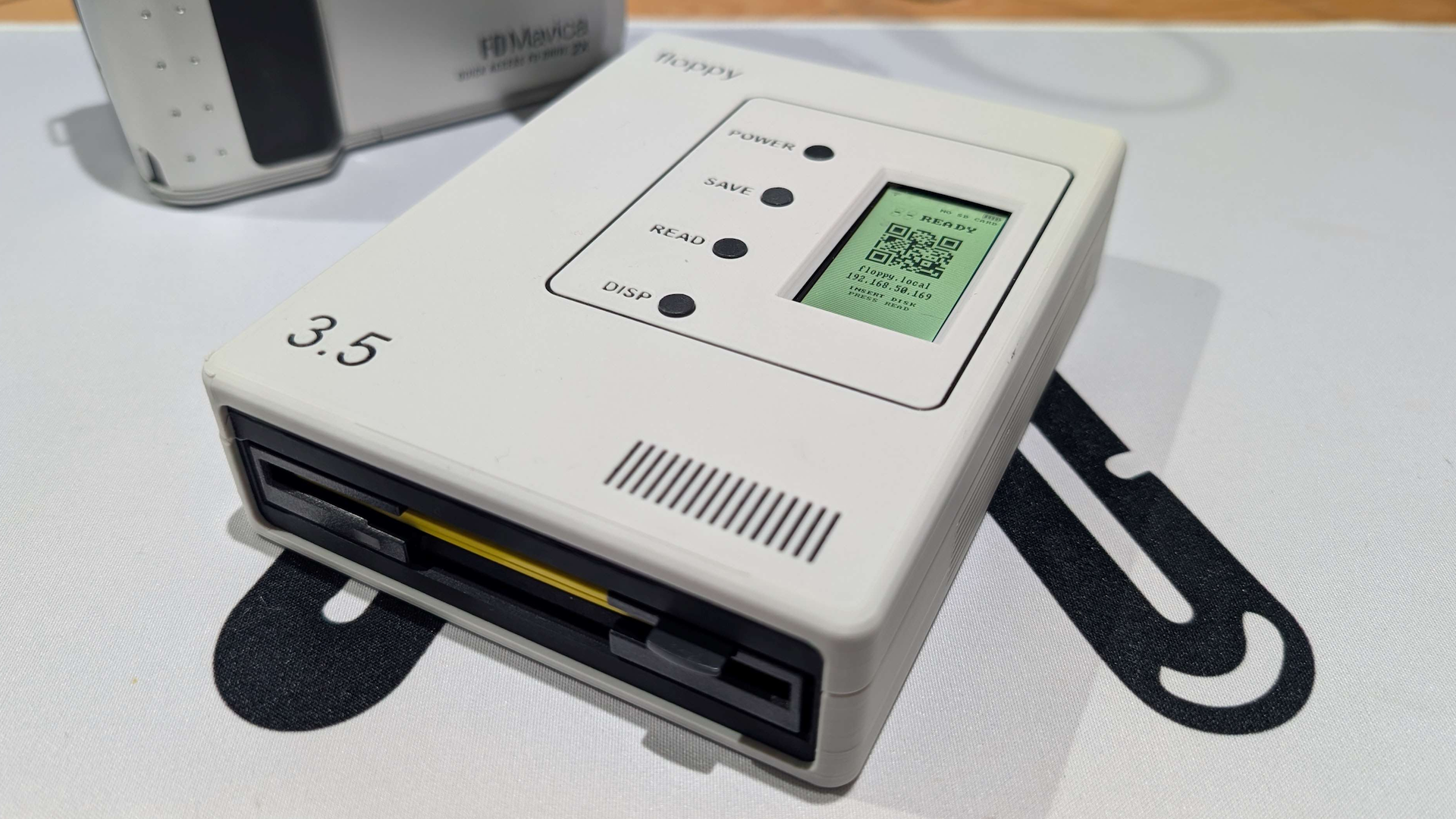
- Core News: A hardware hacker has created an open-source portable Wi-Fi NAS device capable of reading and transferring data from legacy 3.5-inch floppy disks.
- Key Metric/Data: The device supports Wi-Fi connectivity, enabling seamless transfer to modern storage solutions like cloud services or external hard drives.
- Strategic Impact: This innovation addresses the growing need for easy archival and data recovery of legacy media, potentially impacting both consumer markets and enterprise IT.
Developing News & Core Details
The device, designed by a hardware hacker, is a portable Wi-Fi NAS that can read and transfer digital camera floppy disks. This unique solution aims to bridge the gap between legacy storage media and modern data management practices.
The device leverages open-source technology, which allows for community-driven development and continuous improvement. It supports various file formats commonly found on 3.5-inch floppies, ensuring compatibility with a wide range of digital cameras from different eras.
Technical Analysis & Competitive Landscape
The device’s architecture is designed to be compact yet powerful, capable of handling the specific demands of legacy storage media. It features Wi-Fi connectivity, which allows users to easily transfer data to modern cloud services or external hard drives. The open-source nature of the project ensures that it can be adapted and improved by a global community.
From a technical standpoint, the device is a significant step forward in addressing the challenges posed by legacy storage media. It demonstrates the potential for innovation in hardware design and software development to solve real-world problems. In terms of competition, while there are no direct competitors, this device fills a niche market that has been largely overlooked.
Key Performance Metrics & Specifications
- Compute & Throughput: The device is designed to handle the specific demands of legacy storage media, ensuring efficient data transfer rates. It supports various file formats commonly found on 3.5-inch floppies.
- Scalability & Deployment: The open-source nature of the project allows for easy integration into existing IT infrastructure and cloud environments. It can be deployed in both consumer and enterprise settings, making it versatile and adaptable to different needs.
- Security & Maintenance: The device adheres to zero-trust principles, ensuring secure data transfer and storage. Regular updates from the community ensure that the device remains up-to-date with the latest security patches and features.
Industry & Strategic Implications
The development of this portable Wi-Fi NAS device has broader implications for both consumer markets and enterprise IT. For consumers, it offers a convenient solution for archiving and transferring data from legacy storage media. In the enterprise sector, it can be used to recover important data that may have been stored on floppy disks.
The device also highlights the importance of maintaining support for legacy systems in an increasingly digital world. It demonstrates how innovation can address specific needs that are often overlooked by mainstream technology solutions.
“This device is not just a technical achievement; it’s a reminder of the importance of preserving our technological heritage.”
Final Outlook
The future of this technology looks promising, with potential for further development and integration into broader data management solutions. As more devices like this are developed, we can expect to see increased focus on legacy storage media and its role in modern IT infrastructure.