
⚡ Executive Summary
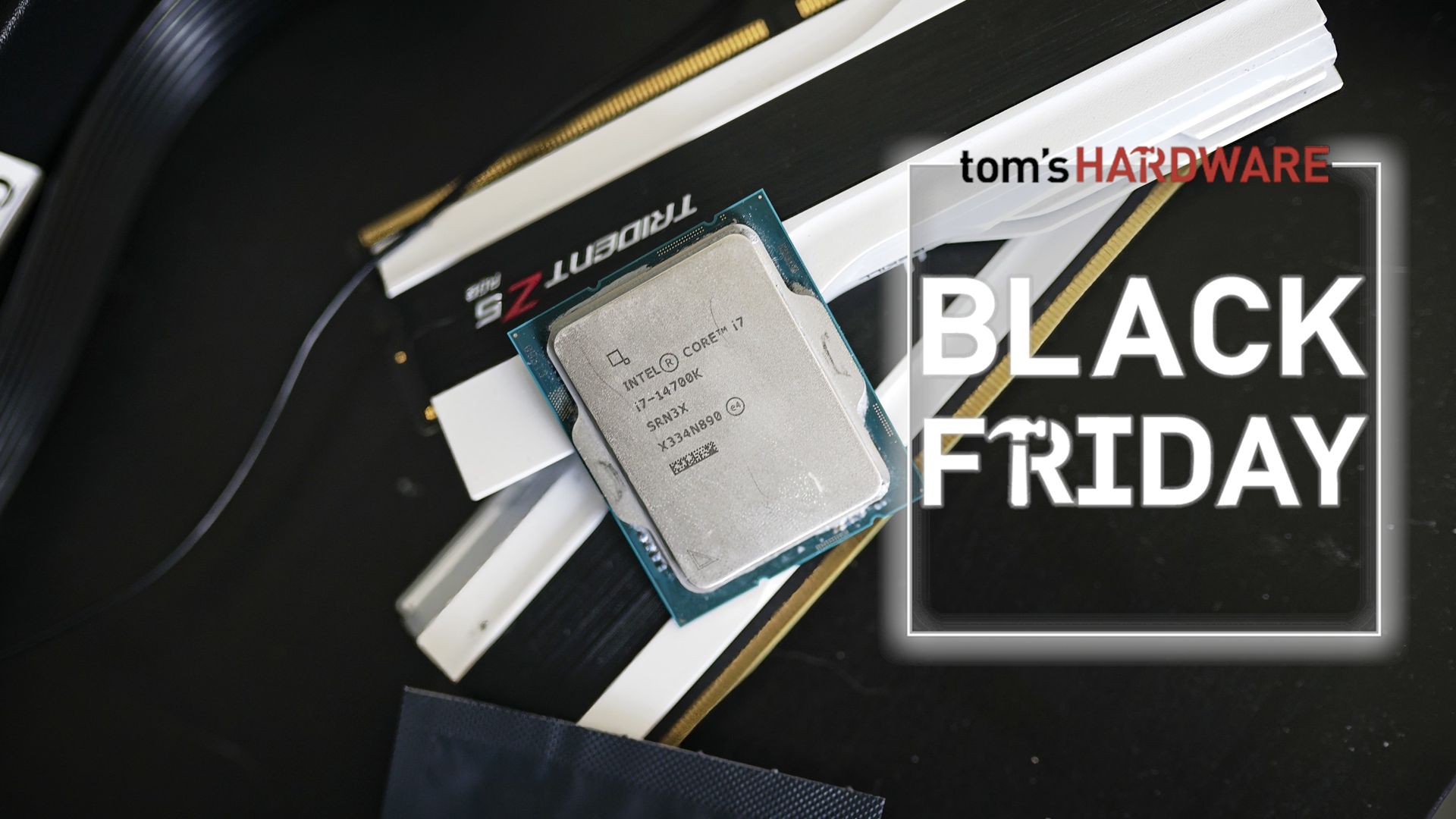
- Core News: Intel’s Core i7-14700K has reached its lowest-ever retail price of $249.99, stabilizing after a prolonged period of inconsistent pricing and availability issues.
- Key Metric/Data: The processor supports LGA 1700 motherboards with both DDR4 and DDR5 memory options, offering significant cost savings for budget-conscious builders without sacrificing core performance.
- Strategic Impact: This price drop signals a potential shift in Intel’s mid-range strategy as they face stiff competition from AMD’s Ryzen 7000 series, potentially extending the lifecycle of the LGA 1700 platform.
Developing News & Core Details
The semiconductor landscape has recently witnessed a significant correction in pricing for Intel’s mid-range enthusiast segment. Following months of erratic retail behavior, where the Intel Core i7-14700K fluctuated between $350 and over $400 depending on retailer inventory and stock levels, the chip has finally settled at its lowest price point ever: $249.99. This specific SKU represents a critical juncture in the current generation of Intel’s desktop architecture.
Technically, this processor is part of the “Raptor Lake” family, specifically utilizing the Raptor Lake Refresh (or Raptor Lake-S) microarchitecture. It features 20 cores and 28 threads, comprising 8 Performance-cores (P-cores) and 12 Efficient-cores (E-cores). This hybrid architecture is designed to maximize single-threaded performance for gaming while utilizing the E-cores for background tasks like streaming or multitasking.
What makes this price point particularly notable is the platform flexibility. The i7-14700K supports LGA 1700 motherboards that come with either DDR4 or DDR5 memory support. For consumers, this means they can choose between a cheaper DDR4-based motherboard (saving approximately $60-$80) while still utilizing the latest generation of Intel silicon, effectively lowering the total cost of ownership for high-performance builds.
Technical Analysis & Competitive Landscape
To understand the significance of this price drop, one must look at the competitive battlefield. The primary rival in this segment is AMD’s Ryzen 7 7800X3D or the standard Ryzen 7 7700/7600 series. While Intel’s Raptor Lake architecture offers impressive IPC (Instructions Per Clock) gains and strong multi-core throughput, it has historically faced criticism regarding power efficiency and thermal density.
The i7-14700K, with its 28 threads, competes directly against AMD’s Ryzen 9 7900X3D in terms of raw thread count, though the latter often holds a lead in gaming due to its 3D V-Cache technology. However, at $249.99, the i7-14700K becomes an incredibly compelling value proposition for content creators and streamers who prioritize multi-threaded performance over pure gaming latency.
From a technical standpoint, the drop to this price point suggests Intel is clearing out older stock or adjusting margins to defend market share. The inclusion of DDR5 support on many boards allows users to future-proof their builds, while the option for DDR4 provides an entry-level path into the 14th Gen ecosystem. This dual-support capability is a strategic advantage that AMD’s AM5 platform (which mandates DDR5) does not offer in its initial launch phase.
Industry & Strategic Implications
The stabilization of pricing for the i7-14700K has broader implications for enterprise IT and consumer hardware markets. For enterprises, the LGA 1700 platform offers a cost-effective upgrade path without requiring a full socket change (unlike AMD’s move to AM5). The ability to deploy DDR4 motherboards alongside DDR5 options allows IT departments to manage budgets more flexibly while still leveraging Intel’s latest instruction set optimizations.
For the consumer market, this price drop could trigger a surge in demand for mid-range builds. As inflation pressures persist, finding high-performance hardware under $250 is rare. The i7-14700K hitting this threshold makes it a “sweet spot” processor that balances performance and affordability. This could also pressure AMD to adjust their own pricing or release new SKUs to maintain their lead in the enthusiast segment.
Furthermore, this event highlights the volatility of the current semiconductor supply chain. After years of shortages, we are now seeing a shift toward inventory correction and price normalization. Intel’s ability to bring down prices so significantly suggests they have optimized their manufacturing yields or are preparing for the eventual transition to the next-generation LGA 1851 socket (Arrow Lake), which will likely see similar pricing dynamics.
“The drop of the i7-14700K to $249.99 is not just a discount; it’s a strategic recalibration that extends the relevance of the LGA 1700 platform and forces competitors to re-evaluate their mid-range positioning.”
Final Outlook
Looking ahead, the i7-14700K at $249.99 represents a strong value play for the remainder of its lifecycle. As Intel prepares to launch Arrow Lake (Core Ultra 200 series) in late 2024 or early 2025, this price point serves as a final push to maximize sales volume on the current generation.
For buyers, now is an excellent time to consider the i7-14700K if you need high multi-core performance without breaking the bank. The combination of DDR4/DDR5 support and a sub-$250 price tag makes it one of the most versatile processors in its class. As we move toward 2025, expect to see this platform remain competitive as long as Intel continues to optimize power efficiency and maintain pricing discipline against AMD’s evolving AM5 offerings.



