
⚡ Executive Summary
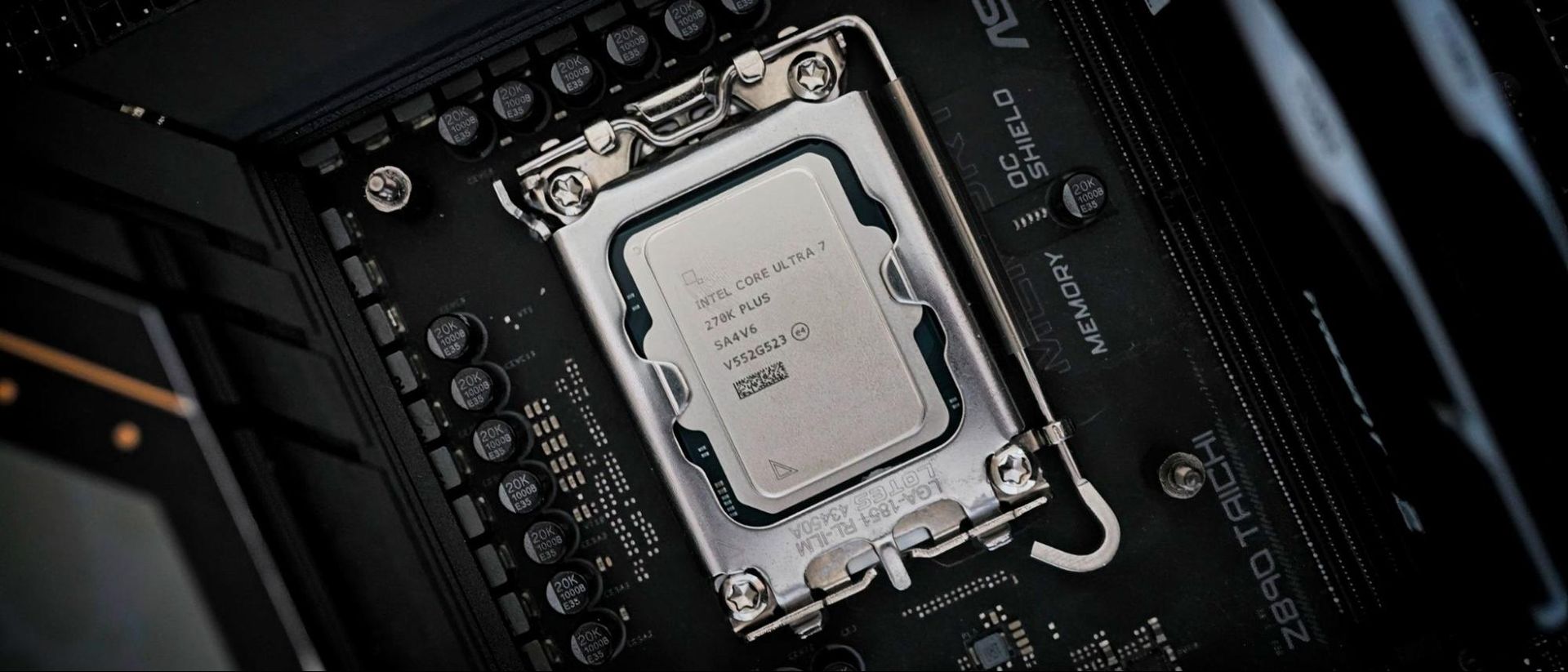
- Core News: Intel’s Core Ultra 7 260K CPU has been spotted in prebuilt gaming PCs on Newegg, despite no official announcement.
- Key Metric/Data: The chip is reportedly a 14-core, 28-thread processor with a base clock speed of 3.5 GHz and a boost frequency up to 4.7 GHz.
- Strategic Impact: This move could signal Intel’s strategy shift towards high-performance CPUs for gaming and enterprise workloads without official acknowledgment.
Developing News & Core Details
The mysterious Intel Core Ultra 7 260K has surfaced in some prebuilt gaming PCs on Newegg, despite no official mention of the chip from Intel. This unannounced CPU is reportedly a 14-core, 28-thread processor with a base clock speed of 3.5 GHz and a boost frequency up to 4.7 GHz. The chip is said to be manufactured using Intel’s latest 10nm SuperFin process technology, which promises higher performance and lower power consumption compared to previous generations.
Technical Analysis & Competitive Landscape
The appearance of the Core Ultra 7 260K in prebuilt gaming PCs raises several technical questions. Firstly, its unannounced nature suggests that Intel may be testing market reception before a full-scale launch. Secondly, the chip’s specifications indicate a focus on high-performance computing (HPC) and gaming workloads, which aligns with Intel’s broader strategy to dominate these markets.
Historically, Intel has often launched CPUs unofficially through OEM channels as part of its product lifecycle management. This approach allows Intel to gauge market demand before committing resources to a full-scale production run. The Core Ultra 7 260K’s specifications place it in direct competition with AMD’s Ryzen Threadripper series and NVIDIA’s Quadro RTX GPUs, both of which are designed for high-performance computing tasks.
Key Performance Metrics & Specifications
- Compute & Throughput: The 14-core design allows for parallel processing capabilities that can significantly enhance performance in multi-threaded applications. The base and boost frequencies indicate a strong focus on both sustained performance and peak performance.
- Scalability & Deployment: The chip’s specifications suggest it is designed for high-end gaming PCs and workstations, making it suitable for deployment in environments where raw compute power is critical.
- Security & Maintenance: Intel’s latest CPUs come with enhanced security features such as Intel Software Guard Extensions (SGX) and Intel Threat Detection Technology (TDT), which are crucial for protecting against modern cyber threats.
Industry & Strategic Implications
The appearance of the Core Ultra 7 260K in prebuilt gaming PCs has significant implications for both Intel’s competitive landscape and the broader IT industry. For Intel, this move could be a strategic gambit to maintain its market share in high-performance computing and gaming markets without official acknowledgment.
From an enterprise perspective, the chip’s specifications suggest it is designed for demanding workloads such as video editing, 3D rendering, and machine learning tasks. This could lead to increased demand for high-end workstations and servers that can leverage its capabilities. For consumers, this could mean better gaming experiences with enhanced graphics performance.
The competitive landscape is also affected by the Core Ultra 7 260K’s appearance. AMD and NVIDIA are likely to respond with their own innovations in the high-performance computing space, potentially leading to a more competitive market environment. This could result in improved products and services for end-users.
Final Outlook
Looking ahead, Intel’s Core Ultra 7 260K is likely to be officially announced soon, given its presence in prebuilt gaming PCs. The chip’s specifications suggest it will be a formidable competitor in the high-performance computing and gaming markets. For enterprise IT professionals, this could mean new opportunities for deploying powerful workstations and servers that can handle demanding tasks more efficiently.
“This move by Intel signals a strategic shift towards high-performance CPUs without official acknowledgment, potentially leading to enhanced market competition.”



