
⚡ Executive Summary
- Core News: The Knoxville Police Department has officially deployed its Drone as First Responder (DFR) program, integrating semi-autonomous aerial systems directly into its emergency dispatch workflows.
- Key Metric/Data: The network is engineered to achieve a target response time of 90 seconds or less across nearly the entire coverage footprint of Knoxville.
- Strategic Impact: This deployment highlights the rapid municipal adoption of edge-computing flight architectures, shifting the paradigm of urban policing toward proactive, data-driven situational awareness.
Developing News & Core Details
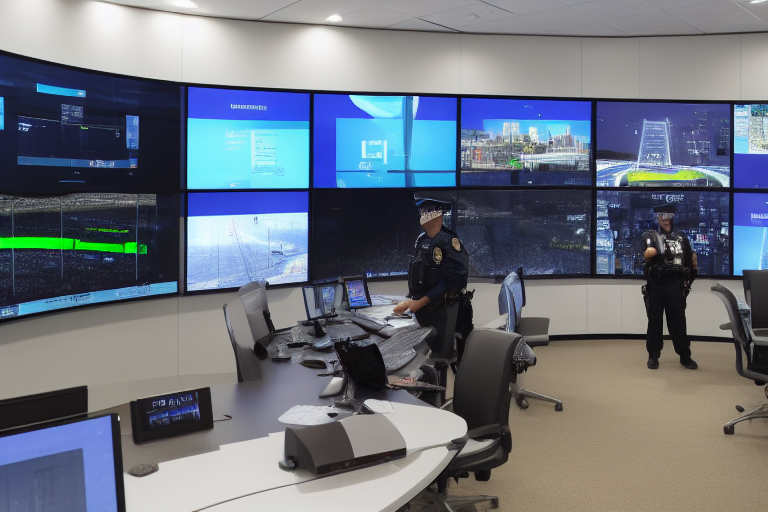
The formal rollout of the Knoxville Police Department’s Drone as First Responder (DFR) initiative marks a critical milestone in the convergence of public safety operations and autonomous robotics. Rather than utilizing drones merely as reactive tools for specialized tactical units, this program integrates unmanned aerial vehicles (UAVs) directly into the Computer-Aided Dispatch (CAD) system. When a 911 call is logged, dispatchers can immediately vector a pre-positioned drone to the geographic coordinates of the incident.
Engineered for high-tempo urban environments, the system’s infrastructure is designed to overcome traditional traffic bottlenecks and geographical barriers. By achieving a projected response window of 90 seconds or less to nearly all corners of the city, these semi-autonomous assets arrive well ahead of ground patrol cruisers. This rapid aerial arrival provides dispatchers and responding officers with critical real-time video feeds, thermal imaging, and telemetry before personnel physically step into potentially volatile situations.
Technical Analysis & Competitive Landscape
From an architectural standpoint, modern DFR programs represent sophisticated deployments of edge computing, low-latency cellular backhaul (such as 5G private networks), and automated geofencing. Operating semi-autonomously means the aircraft execute programmed flight corridors and obstacle-avoidance protocols under the supervision of a remote, FAA-certified pilot in command. This human-in-the-loop requirement balances regulatory compliance with high-speed automated execution.
Within the municipal technology landscape, Knoxville joins a vanguard of forward-thinking cities—such as Chula Vista and Peachtree Corners—pioneering aerial first-response frameworks. However, scaling a DFR program across an entire municipality involves navigating complex regulatory hurdles under FAA Part 107 waivers, particularly for Beyond Visual Line of Sight (BVLOS) operations. The technical sophistication required to maintain persistent readiness, automated docking station maintenance, and secure encrypted video streaming places these programs at the cutting edge of enterprise-grade UAV deployment.
Industry & Strategic Implications
The broader implications for enterprise technology, aerospace hardware manufacturers, and municipal software providers are profound. As cities increasingly view public safety through the lens of digital transformation, DFR initiatives act as catalysts for local tech ecosystems. Hardware vendors specializing in ruggedized enterprise drones, automated battery-swapping docking stations, and AI-driven object recognition software stand to benefit significantly from this burgeoning municipal market.
Simultaneously, these deployments force a rigorous public discourse regarding digital privacy, civil liberties, and algorithmic accountability. Enterprise systems integrators working with law enforcement agencies must ensure rigorous data governance frameworks are embedded at the software layer, safeguarding public trust while maximizing operational efficacy.
“The integration of semi-autonomous DFR frameworks transitions emergency response from a reactive logistical challenge into an intelligence-led operational discipline.”
Final Outlook
Knoxville’s deployment of its DFR program serves as a bellwether for mid-sized cities nationwide. As BVLOS regulations gradually mature and automation software becomes more resilient, sub-90-second aerial response times will likely transform from an ambitious municipal goal into the baseline industry standard for metropolitan emergency services. Technology leaders and municipal planners must monitor these deployments closely, as they forge the operational blueprints for the next generation of smart city infrastructure.
🚀 Custom Web Hosting & AI Automation Solutions
Need enterprise-grade web hosting, custom WordPress architecture, or automated workflow deployment for your business?



