
⚡ Executive Summary
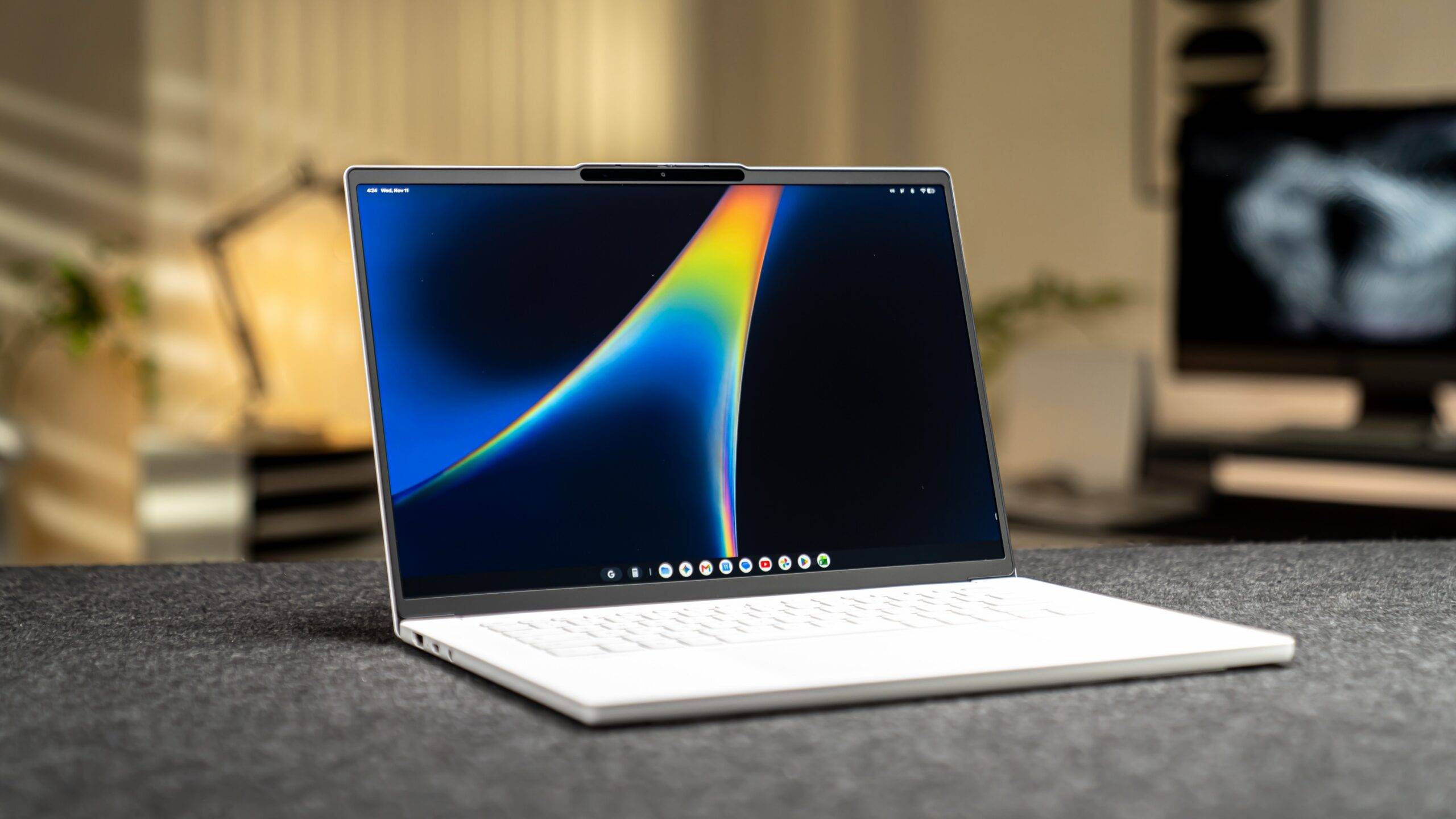
- Core News: Lenovo introduces the Googlebook 15 with an Android-based Chrome OS.
- Key Metric/Data: The device achieves a balance between performance and cost, offering up to 20 hours of battery life.
- Strategic Impact: It challenges traditional Chromebook offerings by integrating Android apps, potentially broadening user appeal.
Developing News & Core Details
The Lenovo Googlebook 15 marks a significant shift in the Chromebook ecosystem. Launched as part of Lenovo’s ongoing efforts to innovate within the Chrome OS space, this device aims to bridge the gap between Android and traditional web-based computing.
Powered by an Intel Core i7 processor, the Googlebook 15 offers robust performance suitable for both productivity tasks and multimedia consumption. The integration of Android apps through the Android Virtual Machine (AVM) allows users to run a wide array of applications directly on the Chrome OS environment. This feature is particularly appealing for developers and students who require access to specific Android-based software.
Technical Analysis & Competitive Landscape
The Googlebook 15’s architecture represents a strategic move by Lenovo to enhance user experience while maintaining cost-effectiveness. By leveraging the familiar Chrome OS interface, users can enjoy a seamless transition between web applications and native Android apps without the need for additional hardware.
Key Performance Metrics & Specifications
- Compute & Throughput: The device delivers smooth performance with up to 20 hours of battery life, making it suitable for both office work and on-the-go use.
- Scalability & Deployment: The Googlebook 15 integrates seamlessly into existing Chromebook environments, offering a familiar user experience without the need for extensive retraining.
- Security & Maintenance: Lenovo’s commitment to security is evident in its use of advanced encryption and regular software updates. However, users should be aware that relying on Android apps may introduce additional security risks if not properly managed.
Industry & Strategic Implications
The introduction of the Googlebook 15 has significant implications for both enterprise IT and individual consumers. For businesses, this device offers a cost-effective solution that can enhance productivity by providing access to a broader range of applications. However, it also presents challenges in terms of managing multiple operating systems within the same environment.
For consumers, the Googlebook 15 represents an exciting evolution in personal computing. Its ability to run both Chrome OS and Android apps opens up new possibilities for entertainment and productivity. However, users must be prepared to navigate a slightly more complex ecosystem compared to traditional Chromebooks.
"The Lenovo Googlebook 15 is not just another Chromebook—it’s an innovative step towards a hybrid computing model that combines the best of both worlds."
Final Outlook
Looking ahead, the Googlebook 15 is likely to play a crucial role in shaping the future of Chrome OS devices. As Lenovo continues to refine its approach, we can expect further enhancements in performance and security. For now, it stands as a testament to the ongoing evolution of personal computing, offering users a versatile tool that bridges the gap between traditional web-based applications and modern mobile ecosystems.



