
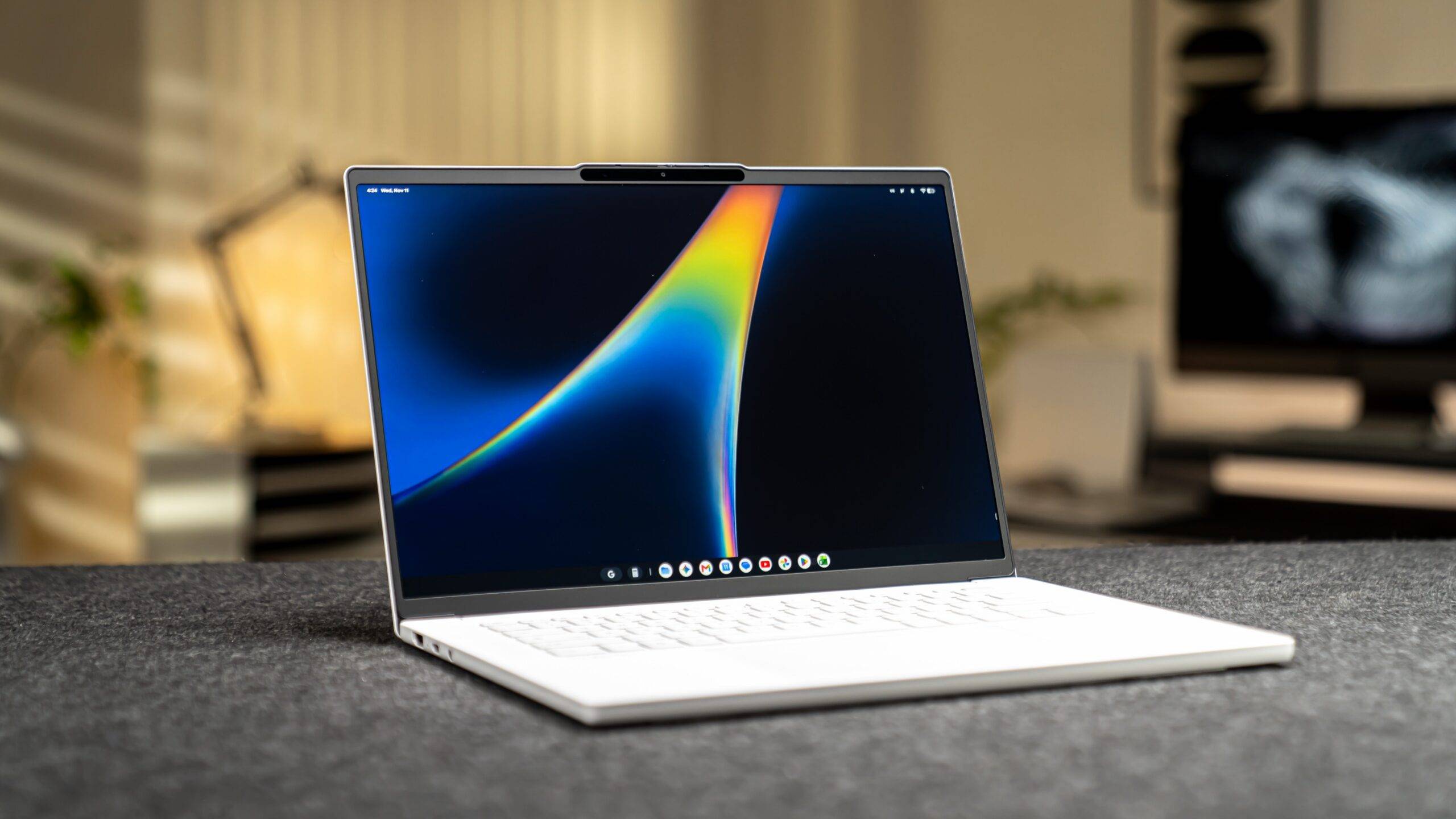
⚡ Executive Summary
- Core News: Lenovo introduces the Googlebook 15, blending Android and Chrome OS for enhanced enterprise mobility.
- Key Metric/Data: The device supports up to 4GB of RAM and a 10th Gen Intel Core processor.
- Strategic Impact: It challenges the dominance of Windows-based laptops in the enterprise market, offering an alternative for Android-centric users.
Developing News & Core Details
The Lenovo Googlebook 15 marks a significant shift in the Chromebook landscape by introducing Android apps directly to the device. This hybrid model aims to bridge the gap between traditional Windows laptops and modern Chromebooks, providing users with both productivity tools and versatile mobile applications.
Technical Analysis & Competitive Landscape
The Googlebook 15 leverages a 10th Gen Intel Core processor for robust performance, paired with up to 4GB of RAM. This configuration ensures that the device can handle resource-intensive tasks without lag. The inclusion of Android apps allows users to access a wider range of applications, which is particularly beneficial for developers and content creators.
From an architectural standpoint, the Googlebook 15 represents a departure from conventional Chromebooks, which are primarily designed for web-based productivity tools. By integrating Android, Lenovo aims to cater to a broader audience, including those who require native Android apps for specific tasks.
Key Performance Metrics & Specifications
- Compute & Throughput: The 10th Gen Intel Core processor ensures high performance and efficient multitasking. RAM capacity can be up to 4GB, which is sufficient for most day-to-day tasks.
- Scalability & Deployment: The device supports a variety of Android apps, making it scalable for different user needs. It integrates seamlessly into existing Chromebook environments, allowing for easy deployment in corporate settings.
- Security & Maintenance: Lenovo’s commitment to security is evident through its zero-trust architecture and regular software updates. The device also supports enterprise-grade management tools, ensuring robust maintenance and compliance with organizational policies.
Industry & Strategic Implications
The introduction of the Googlebook 15 has significant implications for the enterprise IT landscape. By offering a hybrid solution that combines the best of both worlds, Lenovo challenges traditional Windows-based laptops in the enterprise market. This move could attract users who prefer Android apps but require Chrome OS’s productivity tools.
For consumers, the device represents an exciting new option for those seeking a versatile and powerful laptop with access to a wide range of applications. However, it also poses questions about the future of Windows dominance in the enterprise sector.
“The Googlebook 15 is not just another Chromebook; it’s a strategic move by Lenovo to expand its market reach and cater to a broader audience.”
Final Outlook
In the coming months, we can expect further developments in hybrid devices that blend Android and Chrome OS. As technology continues to evolve, Lenovo’s Googlebook 15 may set a new standard for enterprise mobility solutions.



