
⚡ Executive Summary
- Core News: Microsoft is lobbying against a potential ban on Chinese optical networking gear by the FCC, which would restrict imports of transceivers used in AI data centers.
- Key Metric/Data: The proposed ban could disrupt supply chains and impact latency-sensitive applications like AI training and inference.
- Strategic Impact: This move highlights concerns over supply chain security, but also underscores the critical role of Chinese suppliers in advancing optical networking technology.
Developing News & Core Details
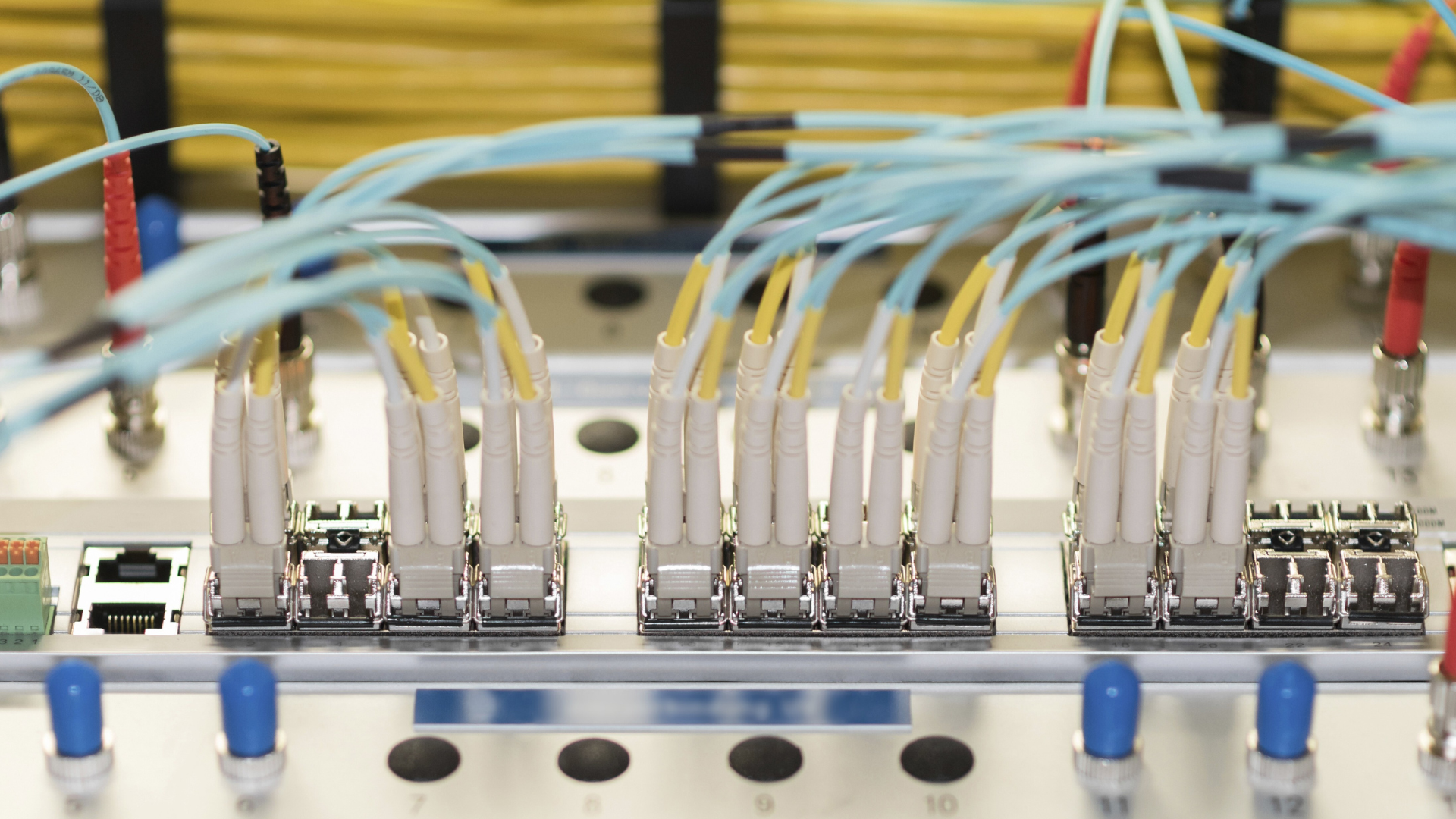
The Federal Communications Commission (FCC) is currently mulling a potential ban on imports of certain Chinese-made optical transceivers used by data centers to convert electrical signals into optical signals. These components are essential for high-speed, low-latency communication within AI data centers. Microsoft, along with other industry stakeholders, has been actively lobbying against this ban.
The proposed ban is part of a broader effort to address national security concerns related to the sourcing of critical technologies from China. However, it also raises questions about the potential disruption to supply chains and the impact on performance-sensitive applications like AI training and inference.
Technical Analysis & Competitive Landscape
The optical transceivers in question are used for high-speed data transmission within AI data centers. These components are crucial for ensuring low latency, high throughput, and reliable communication between servers and storage systems. The proposed ban could have significant implications for the performance of these data centers.
Microsoft’s lobbying efforts highlight concerns over supply chain security, but also underscore the critical role of Chinese suppliers in advancing optical networking technology. While the ban is intended to mitigate national security risks, it may inadvertently stifle innovation and hinder the development of next-generation AI infrastructure.
Key Performance Metrics & Specifications
- Compute & Throughput: Optical transceivers are designed for high-speed data transmission, with throughput rates often exceeding 100 Gbps. The proposed ban could disrupt supply chains and impact latency-sensitive applications like AI training and inference.
- Scalability & Deployment: These components are integral to the scalability of AI data centers, allowing for seamless integration into existing infrastructure. A potential ban would complicate deployment strategies and increase operational costs.
- Security & Maintenance: The proposed ban could lead to increased reliance on alternative suppliers, which may not offer the same level of security or performance. This could also complicate maintenance and support processes for data centers.
Industry & Strategic Implications
The potential ban on Chinese optical networking gear has broader implications for enterprise IT infrastructure. It highlights the delicate balance between national security concerns and the need for reliable, high-performance technology. The proposed ban could disrupt supply chains and impact latency-sensitive applications like AI training and inference.
Microsoft’s lobbying efforts reflect a growing awareness of the importance of maintaining open supply chains while addressing national security risks. This move underscores the critical role of Chinese suppliers in advancing optical networking technology, but also raises questions about the potential disruption to performance-sensitive applications.
Final Outlook
The proposed ban on Chinese optical networking gear is a complex issue with far-reaching implications for enterprise IT infrastructure. While national security concerns are valid, they must be balanced against the need for reliable, high-performance technology. The future of AI data centers will depend on continued innovation and collaboration between industry stakeholders.
“The proposed ban could disrupt supply chains and impact latency-sensitive applications like AI training and inference.”



