
⚡ Executive Summary
- Core News: Expanding Nintendo Switch 2’s storage with microSD cards is more expensive than before, driven by faster read/write speeds.
- Key Metric/Data: Samsung’s 256GB microSD Express card dropped to $44.99 at Amazon, while Sandisk’s similar model is available for $49.99.
- Strategic Impact: The increased cost may deter some gamers from upgrading storage, impacting Nintendo’s hardware sales and overall market share.
Developing News & Core Details
The expansion of the Nintendo Switch 2’s built-in storage has become a popular topic among gaming enthusiasts. The console initially shipped with 256GB of internal storage, which is insufficient for many gamers who own multiple high-demand games like The Legend of Zelda: Ocarina of Time and The Witcher 3: Wild Hunt — Remastered. To address this limitation, Nintendo allows users to expand the storage via microSD cards. However, the cost associated with these expansions has seen a notable increase.
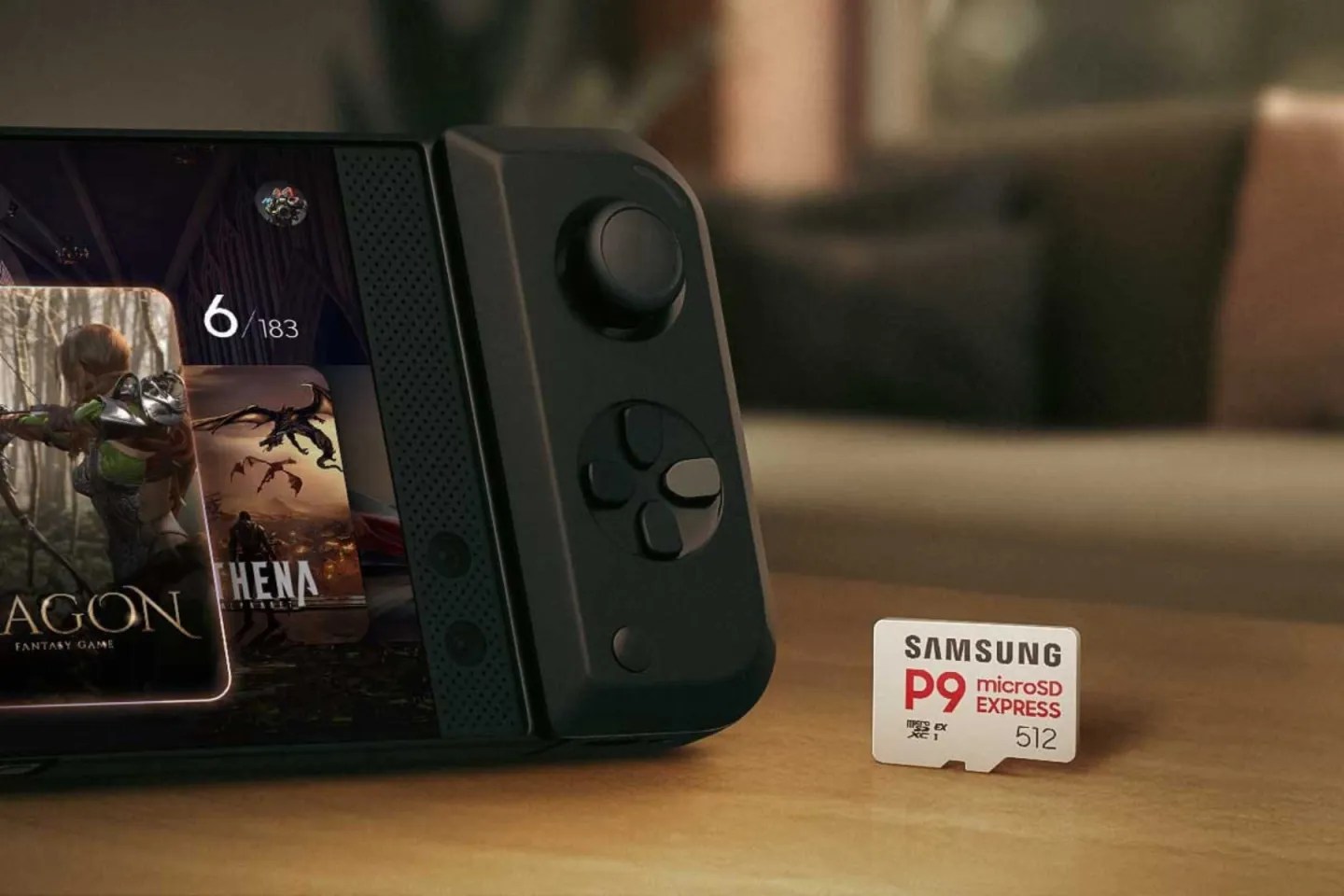
Traditionally, upgrading storage was relatively affordable, but now Samsung’s 256GB microSD Express card is priced at $44.99 on Amazon, down from its usual MSRP of $79.99. Similarly, Sandisk’s 256GB model has been reduced to $49.99 ($10 off the typical list price). For those seeking more capacity, both brands offer a 512GB microSD Express card for around $99.99 on Amazon.
Technical Analysis & Competitive Landscape
The increased cost of storage expansion is primarily due to advancements in technology. MicroSD Express cards are designed with higher read/write speeds, which enhance the overall performance of the Nintendo Switch 2. These faster cards offer better gaming experiences by reducing load times and improving data transfer rates.
From a technical standpoint, the performance metrics of these microSD cards are crucial for evaluating their suitability as storage solutions. The Samsung P9 microSD Express Card, for instance, boasts read speeds up to 1025 MB/s and write speeds up to 860 MB/s. These specifications ensure that games load quickly and that data can be transferred efficiently.
The competitive landscape is dominated by two major brands: Samsung and Sandisk. Both companies have been leaders in the microSD card market, offering high-performance cards at reasonable prices. The recent price drops for these cards reflect a strategic move to attract more customers during the holiday season, particularly ahead of Black Friday.
Key Performance Metrics & Specifications
- Compute & Throughput: Samsung’s P9 microSD Express Card offers read speeds up to 1025 MB/s and write speeds up to 860 MB/s, ensuring fast game loading times.
- Scalability & Deployment: These cards are compatible with the Nintendo Switch 2, making them a practical solution for expanding storage. However, users should ensure that their console’s SD card slot can handle these high-speed cards to avoid compatibility issues.
- Security & Maintenance: The microSD Express cards do not inherently offer advanced security features like those found in enterprise-grade solutions. Users must rely on regular backups and adherence to best practices for maintaining data integrity.
Industry & Strategic Implications
The increased cost of storage expansion may have significant implications for Nintendo’s hardware sales. Gamers who are price-sensitive might opt not to upgrade their storage, which could impact Nintendo’s overall market share and revenue from hardware sales.
For enterprise IT professionals evaluating the Nintendo Switch 2 as a potential solution for remote workers or in-house use, the cost of storage expansion is an important consideration. While the console may be suitable for personal gaming, its limited internal storage might not meet the needs of more demanding applications, such as video editing or large-scale data processing.
From an investor’s perspective, these pricing trends could influence the stock performance of companies like Nintendo and its suppliers. The cost increases in microSD cards may also impact the profitability of third-party accessory manufacturers who rely on these components for their products.
Final Outlook
The future of storage expansion for the Nintendo Switch 2 is likely to remain a topic of interest, with ongoing technological advancements and market dynamics shaping its availability and cost. As gaming continues to evolve, it will be essential for Nintendo to balance performance improvements with cost considerations to maintain consumer satisfaction.
“The increased cost of storage expansion may deter some gamers from upgrading their Switch 2’s storage, impacting Nintendo’s hardware sales and overall market share.”



