
⚡ Executive Summary
- Core News: OpenAI and Georgia county leaders are facing a $30 billion RICO racketeering lawsuit over alleged fraud in AI data center projects.
- Key Metric/Data: The plaintiffs claim the defendants committed fraud through NDAs and misleading public statements.
- Strategic Impact: This case could set a precedent for transparency in large-scale tech infrastructure projects, affecting future investments and partnerships.
Developing News & Core Details
The lawsuit filed by the plaintiffs alleges that OpenAI and Georgia county leaders engaged in fraudulent activities related to AI data center development. The case is centered around claims of concealment, misuse of non-disclosure agreements (NDAs), and misleading public statements regarding the scale and financial implications of these projects.
Technical Analysis & Competitive Landscape
The lawsuit highlights significant challenges in managing large-scale AI infrastructure projects. OpenAI’s role as a leading player in AI research and development has made it a target for scrutiny, especially given its rapid expansion into data center operations. The plaintiffs argue that the company’s partnerships with local governments have been used to obscure financial realities.
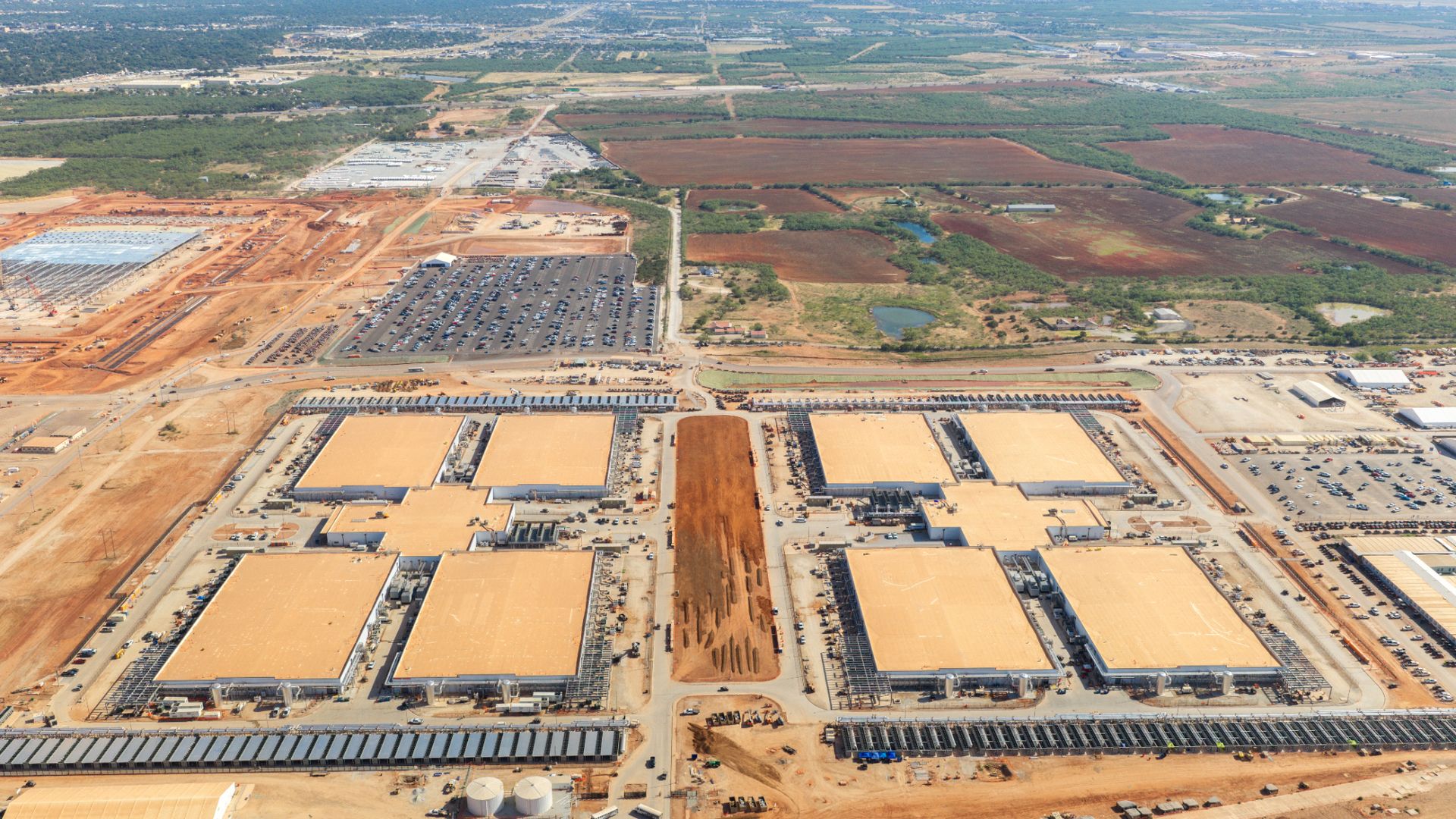
From a technical standpoint, the construction of AI data centers involves complex architectural decisions regarding power consumption, cooling systems, and network infrastructure. These factors are critical for ensuring efficient operation and scalability in large-scale AI projects. The lawsuit raises questions about how these considerations were handled during the project’s development phase.
Key Performance Metrics & Specifications
- Compute & Throughput: The design of the data centers must support high-performance computing (HPC) requirements, which are essential for AI training and inference tasks. Latency and IOPS are crucial metrics in assessing the performance of these facilities.
- Scalability & Deployment: The architecture needs to be flexible enough to accommodate future growth without significant reconfiguration. This includes considerations for modular expansion and integration with existing cloud infrastructure.
- Security & Maintenance: Zero-trust security models are necessary to protect sensitive data and ensure compliance with regulatory requirements. Regular maintenance schedules must also account for the high cost of downtime in critical AI operations.
Industry & Strategic Implications
The outcome of this lawsuit could have far-reaching implications for the broader tech industry, particularly in how large-scale projects are managed and disclosed. Transparency in financial reporting and project planning will likely become a priority for companies involved in similar ventures.
This case also underscores the importance of robust legal frameworks to address potential abuses in high-stakes technology investments. Investors and stakeholders may reassess their engagement with companies involved in such projects, leading to changes in corporate governance practices.
“The key takeaway is that this lawsuit could redefine the standards for transparency and accountability in tech infrastructure development.”
Final Outlook
The future of AI data center development will likely see increased emphasis on ethical considerations, regulatory compliance, and stakeholder engagement. As the industry continues to grow, it will be crucial for companies to navigate these challenges with careful planning and transparent communication.



