
⚡ Executive Summary
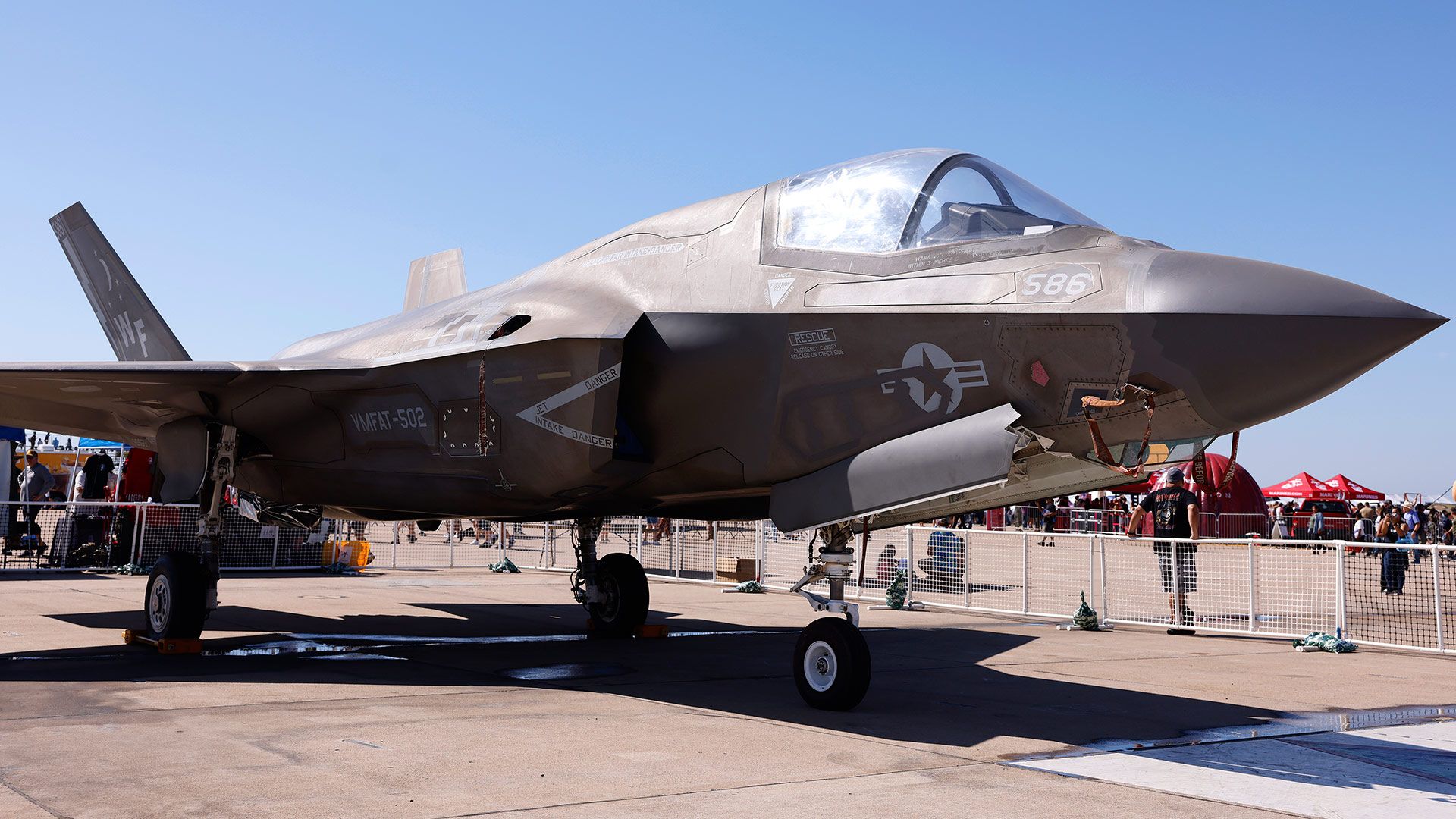
- Core News: The Pentagon is struggling to track an astonishing 26 million F-35 warfighter parts, worth an estimated $31 billion.
- Key Metric/Data: Over 26 million F-35 parts missing or unaccounted for.
- Strategic Impact: This incident reveals significant weaknesses in military supply chain management and cybersecurity, potentially compromising national security.
Developing News & Core Details
The Government Accountability Office (GAO) has published an analysis revealing that the Pentagon is grappling with a massive discrepancy in F-35 parts inventory. The missing components include critical hardware, software, and materials essential for the production, maintenance, and operations of the F-35 fighter jets.
This issue emerged weeks after reports surfaced about China allegedly swiping some of these parts during a shipment. The exact nature of how the parts went missing is still under investigation, but it raises serious concerns about the security of military supply chains and the effectiveness of current tracking systems.
Technical Analysis & Competitive Landscape
The F-35 program represents one of the most advanced and expensive military projects in history. The parts involved are not just any ordinary components; they include precision-engineered hardware, software, and materials that must be meticulously tracked to ensure operational readiness.
From a technical standpoint, this incident highlights several critical issues:
- Supply Chain Vulnerabilities: The F-35 supply chain is complex, involving multiple suppliers across different countries. Any disruption or theft at any point in the supply chain can have severe consequences.
- Cybersecurity Risks: The parts involved are not just physical components but also include software and firmware that could be tampered with to compromise system integrity.
- Tracking Systems: The current tracking systems used by the Pentagon may not be robust enough to prevent such discrepancies. This underscores the need for more advanced, real-time monitoring solutions.
The incident also has significant competitive implications. While China’s alleged theft of parts is a strategic move, it highlights the broader challenge of maintaining secure supply chains in an era of increasing geopolitical tensions.
Industry & Strategic Implications
This event has far-reaching implications for the defense industry and beyond. It raises questions about the reliability of global supply chains and the effectiveness of cybersecurity measures.
For enterprises involved in similar high-value, critical infrastructure projects, this incident serves as a wake-up call to review their own supply chain and cybersecurity strategies. The cost of such discrepancies can be catastrophic not only for military operations but also for national security.
“The F-35 parts disappearance is more than just an accounting issue; it’s a critical failure in supply chain management and cybersecurity that could have far-reaching consequences.”
Final Outlook
The future of military procurement and operations will likely see increased emphasis on secure, resilient supply chains. This may include the adoption of blockchain technology for tracking parts, enhanced encryption protocols, and more stringent vetting of suppliers.
The incident also highlights the need for a more integrated approach to cybersecurity across all sectors. As geopolitical tensions continue to rise, ensuring the security of critical infrastructure will become an even higher priority.



